

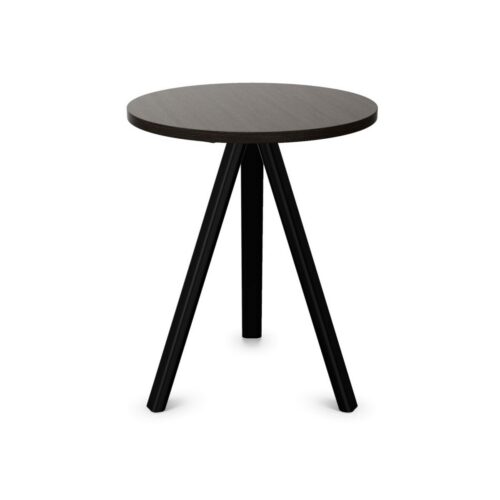
Lounge Furniture With Aluminum Bases and Wood Surfaces

lounge furniture with aluminum bases and wood surfaces brings a wood-color direction together with aluminum base construction. For planning purposes, assess the surface as a color choice and confirm its composition separately. A wood-colored appearance does not establish a particular surface material, species, or construction. The useful comparison is how the visible tone relates to the room and how the base contributes to the overall outline.

This combination is relevant where a lounge needs to connect with existing interior finishes without reproducing every surrounding detail. Identify the most visible color references near the proposed position, then compare the furniture surface against them. Decide if you want a close tonal relationship or a deliberate difference. Review the aluminum bases independently, including their actual color and shape. Bringing these decisions together creates a clear basis for coordinating the lounge with reception, meeting rooms, or an adjoining shared space.


Coordinating lounge furniture with aluminum bases and wood surfaces

Start by identifying which existing interior colors should guide the lounge. A nearby doorway, wall area, or adjacent furniture group may be more relevant than a finish elsewhere in the building. Rank these references by how often they will be seen beside the proposed furniture. Then compare the wood-color surface with the most important references together. Keep surface appearance and material composition separate throughout the review. This allows the color relationship to be judged accurately without assuming that visually related elements share the same construction. Include the aluminum bases when assessing how the furniture will sit within the complete room.

Choose Between Tonal Continuity and Deliberate Difference

Evaluate lounge furniture with aluminum bases and wood surfaces according to a clear color objective. If continuity is important, compare representative samples closely with the neighboring finish rather than relying on a general wood-color description. If a difference is intended, establish how noticeable it should be within the room. Consider relative surface areas and the distance between the elements being compared. A small sample viewed alone may not reveal the same relationship as larger adjacent areas. Where the surface includes a visible pattern, assess that pattern directly instead of assuming a particular appearance from the color description.

Keep Aluminum Base Appearance a Separate Decision

With lounge furniture with aluminum bases and wood surfaces, the base material and the surface color perform different roles in the comparison. Check the base's visible treatment and outline rather than treating aluminum as a complete appearance specification. Compare the base against the floor and neighboring furniture from the main approach. Then assess how it relates to the wood-colored area above it. Decide whether continuity across the group should come primarily from the surface tone, the visible bases, or both. Recording these choices separately makes it easier to review the combination without confusing a color preference with a construction requirement.

Review Transitions Between Lounge and Adjacent Rooms

Place lounge furniture with aluminum bases and wood surfaces within the sightlines connecting reception and adjoining spaces. Review what becomes visible as someone approaches the lounge, passes beside it, and looks back toward the entrance. The wood-color direction may relate differently to each background. If several nearby finishes differ, avoid trying to match all of them at once. Choose the strongest local reference and establish a deliberate relationship with the others. Keep circulation clear and orient the furniture around the lounge's intended activity. The surface color should support the spatial plan rather than determine where every piece must stand.

Frequently Asked Questions

Does a wood-colored surface establish its material?

No. Color describes appearance and does not confirm surface composition, species, or construction. Confirm those details separately while comparing the visible tone with the surrounding interior finishes.

Which existing finish should guide the wood-color comparison?

Prioritize the finish most often seen directly beside or behind the lounge. Compare other nearby references afterward, and decide which relationships require close continuity and which can remain visibly different.

Should every wood-colored element in the room match?

Only where close matching is part of the interior plan. Several related tones can be assessed together, but their differences should be intentional rather than treated as an assumed match.

Explore related selections