

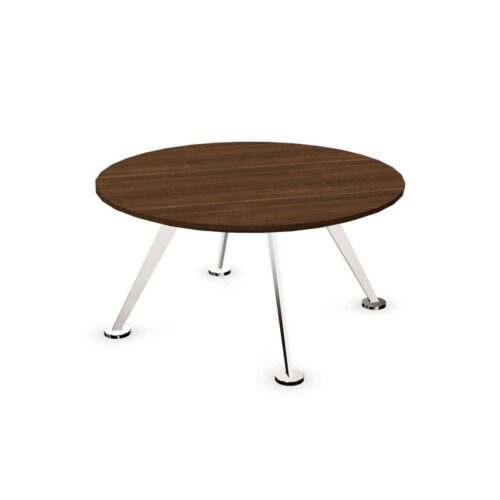
Lounge Furniture With Metal Bases and Wood Surfaces

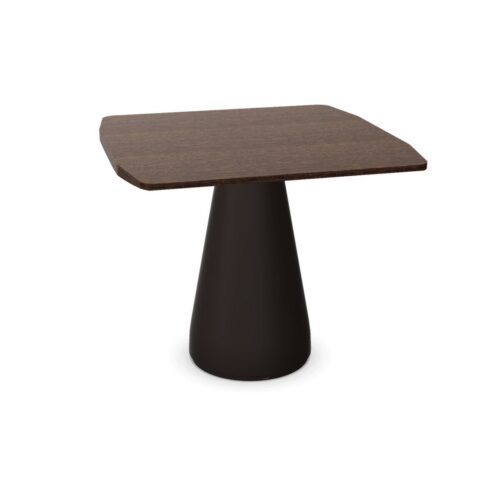
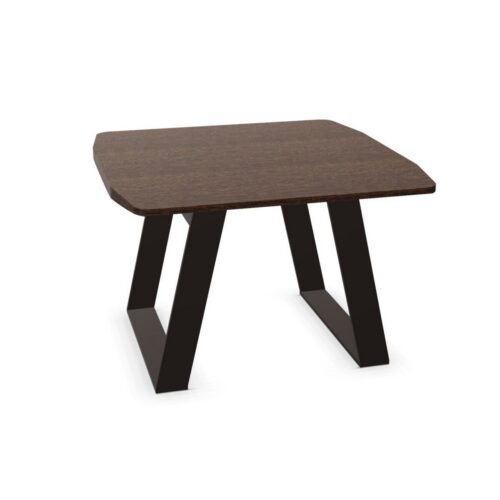
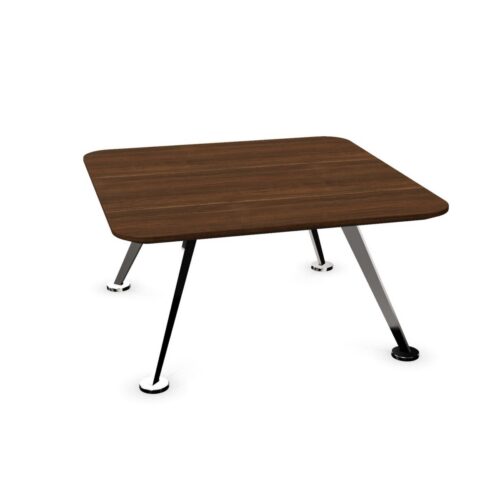
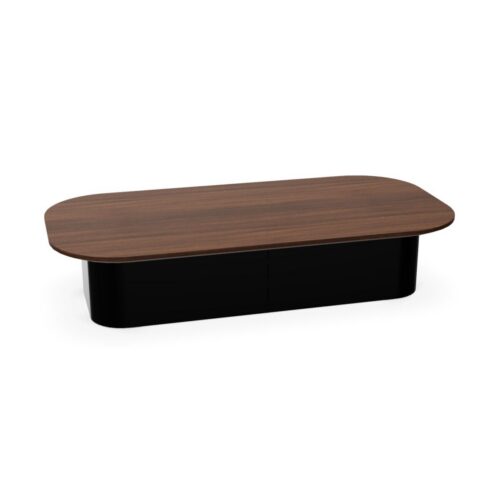
Lounge furniture with metal bases and wood surfaces combines a metal base with a wood-colored surface appearance. The surface color does not establish what that surface is made from, so visual coordination and material assessment need separate attention. This combination is relevant when a workplace lounge needs to relate to existing wood-colored elements without treating every similar-looking surface as the same material. Begin with the colors already visible in the intended room.

Compare the surface appearance beside the floor, nearby furniture, and the background behind the lounge group. Then assess how the metal base connects the upper surface visually to that setting. A closely coordinated palette and a deliberately varied palette require different comparisons. Decide which relationship is intended before evaluating individual pieces. Keep the furniture’s role in the room equally clear, including how people approach it and how it fits the surrounding arrangement.

2 models
From €2.71 p/m
3 models
From €2.38 p/m
2 models
From €11.99 p/m
3 models
From €18.78 p/m
2 models
From €19.27 p/m
3 models
From €5.35 p/m
12 models
From €9.73 p/m
€10.93 p/m
€13.92 p/m
12 models
From €6.72 p/m
2 models
From €7.63 p/m
7 models
From €17.65 p/m
€22.10 p/m

Understanding lounge furniture with metal bases and wood surfaces

Distinguish surface appearance from material at the start of the comparison. A wood-colored surface does not, by itself, establish a wood construction, a particular species, or a particular surface treatment. The base material in this combination is metal. Review any further material details separately where they matter to the project. For visual planning, concentrate on the actual color relationship between the surface and its surroundings. This prevents a familiar color description from becoming an assumption about construction and gives the team a clearer basis for assessing how the furniture belongs within the room.

Decide between close coordination and variation

When assessing lounge furniture with metal bases and wood surfaces, first decide whether the surface should closely coordinate with existing wood-colored elements or introduce a distinct tone. Compare representative samples together under the intended lighting. Look for relationships in overall color rather than assuming similar descriptions guarantee a match. Include the floor in the comparison, since it forms the immediate background beneath the metal bases. If the palette contains several wood-colored elements, assess the whole composition at once. An intentional variation is easier to evaluate when its role is agreed before individual comparisons begin.

Use the metal base to assess the whole composition

Review how much of the metal base is visible and how its actual appearance relates to the surface above. Metal does not establish the base color, finish, or outline, so these details need direct examination. In a room with several existing visual elements, a consistent relationship among bases may help organize the composition, but that relationship must be checked across the actual pieces. Look from the entrance and from within the lounge. The base should be considered as part of the full outline, including the spaces between furniture and its relationship with the floor.

Connect color decisions to the room plan

Position lounge furniture with metal bases and wood surfaces according to the purpose of the lounge and the routes around it. A palette decision cannot resolve an awkward approach or an unclear seating arrangement. Identify where people arrive, where conversations take place, and how the lounge connects to neighboring rooms. Then review whether the wood-colored appearance creates the intended continuity across those areas. Where several furniture groups are visible together, assess their relationship from the connecting route. This reveals whether closely coordinated surfaces belong in the same view or whether deliberate variation gives the room a clearer composition.

Frequently asked questions

Does a wood-colored surface establish its material?

No. Color describes appearance and does not confirm construction or composition. Assess the actual surface material separately if it matters to the project. Keep visual matching and material assessment as distinct decisions throughout the comparison.

Must the surface match the floor?

A close match is optional. Compare the actual appearances together and decide whether continuity or variation better suits the room. Include the metal base in that assessment, because it sits visually between the furniture surface and the surrounding floor.

What should be agreed before comparing individual pieces?

Agree on the intended color relationship for lounge furniture with metal bases and wood surfaces. Establish which existing elements it should coordinate with, whether variation is acceptable, and how the lounge arrangement relates to movement through the room.

Explore related selections