

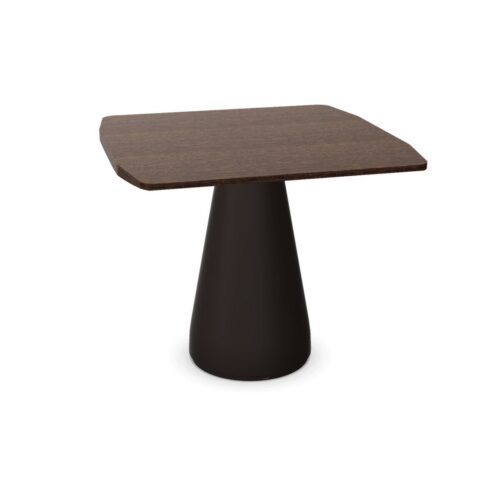
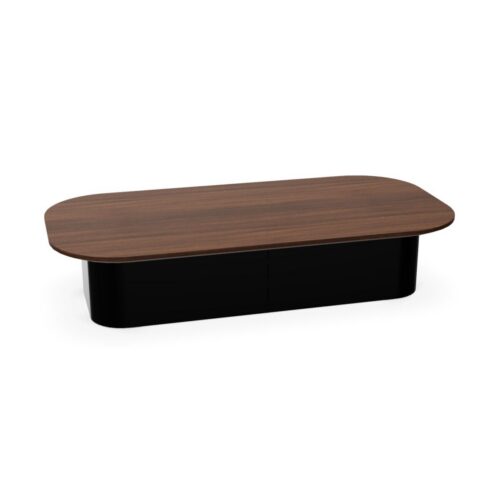
Lounge Furniture With Melamine Bases and Wood Surfaces

lounge furniture with melamine bases and wood surfaces brings together a specified base material and a wood surface appearance. This combination is useful when a lounge needs a visual connection to established furniture or interior finishes. Treat the wood designation as an appearance cue: it does not establish that the surface is made from solid wood. The planning task is to compare tone, pattern, and the way the melamine base relates to the visible surface.

A successful relationship does not require every wood appearance in the room to match. It requires a clear decision about what connects them. Similar undertones can create continuity, while a deliberate difference can distinguish the lounge from nearby work areas. Review the furniture within the wider room composition, paying particular attention to transitions between the base and surface. Those details determine whether the combination reads as coordinated or visually disconnected.


Coordinating lounge furniture with melamine bases and wood surfaces

Begin with the wood appearances already visible from the lounge. Identify which belong to major architectural elements and which belong to movable furniture. This establishes the visual references that the new arrangement needs to address. Choose a leading relationship, such as a similar undertone or a clearly different depth of color. Trying to approximate every surrounding finish can produce an unclear result. Instead, determine which existing element matters most and assess the lounge furniture against it from the viewpoints that connect the spaces. This gives the comparison a concrete purpose.

Read tone before examining pattern

Look first at the overall color impression of the surface. A wood appearance may lean toward lighter, darker, warmer, or cooler tones, and that broad impression will register before finer pattern details. Examine it beside the surrounding colors under the lighting used in the room. Then consider any visible pattern and how strongly it draws attention. Where neighboring elements already carry pronounced patterns, a further pattern needs a deliberate place in the composition. Where the room is visually restrained, the surface appearance may become a more noticeable feature of the lounge.

Connect the surface and base visually

The value of comparing lounge furniture with melamine bases and wood surfaces lies in understanding both attributes together. The wood appearance establishes one part of the visual character, while the melamine base introduces another element whose actual color and shape still require assessment. Check whether the base echoes the surface tone, contrasts with it, or remains visually secondary. Look closely at their meeting point and at the furniture's overall outline. Avoid assuming that a shared material description guarantees a shared appearance across different pieces. The visible relationship should guide the decision.

Plan continuity across adjoining spaces

Use sightlines to decide how far the wood appearance should connect separate areas. A lounge visible from a meeting room may need a closer relationship with that room than with a distant reception desk. Walk through the sequence of spaces and note where furniture is seen together. This reveals which comparisons matter in practice. Within the lounge, consider whether repeating a similar tone throughout the group strengthens the composition or makes individual pieces difficult to distinguish. Maintain a clear arrangement of seating and access routes, allowing visual continuity to support the layout rather than dictate every placement.

Frequently asked questions

Does the wood surface description mean solid wood?

No. Here, wood describes the selected surface appearance. It does not establish the surface's construction or composition. Keep that distinction clear when comparing the visual effect with the specified melamine base material.

Must the wood appearance match nearby furniture exactly?

An exact visual match is only one approach. A shared undertone or an intentional difference can also establish a coherent relationship. Compare the elements together under the room's lighting before deciding which connection is most appropriate.

How should this combination connect separate lounge areas?

For lounge furniture with melamine bases and wood surfaces, prioritize areas visible at the same time. Compare surface tone, any visible pattern, and base appearance across those sightlines. A consistent relationship matters more than repeating every detail throughout the interior.

Explore related selections