

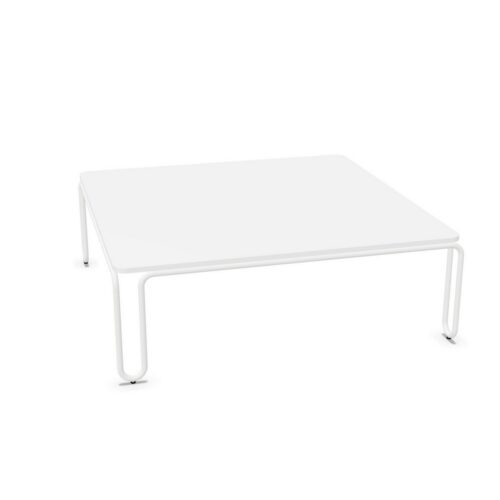
Lounge Furniture With Steel Bases and Wood Surfaces

Lounge furniture with steel bases and wood surfaces brings together a confirmed base material and a wood color direction for the visible surfaces. For workplace lounges and reception settings, the main planning task is to relate that appearance to existing finishes without assuming that every wood tone should match. Assess the surface color alongside the steel base, then compare the combination with the immediate background and neighboring furniture within the proposed arrangement.

Wood describes the surface color here; it does not establish the surface composition. Keep that distinction clear while developing the interior scheme. Compare lounge furniture with steel bases and wood surfaces by the visible tone and its relationship to the room, considering whether the lounge should continue an existing color family or introduce a deliberate difference. This approach is particularly useful where several wood-colored elements already share the same view across an open workplace or reception area.

€19.45 p/m
4 models
From €35.51 p/m
€19.70 p/m

Coordinate lounge furniture with steel bases and wood surfaces

Begin by identifying the wood colors already visible around the lounge. Include the floor, fixed interior elements and neighboring furniture where relevant, without assuming that their materials are the same. Compare their apparent warmth, darkness and overall color direction. The aim is to understand the existing palette before adding another wood-colored surface. Decide which element should provide the main reference and which can differ. This avoids relying on the broad label of wood when the actual tones may have noticeably different relationships within the room.

Choose continuity or deliberate contrast

A close color relationship can connect the lounge to its surroundings, while a clearly different tone can give the seating group a more distinct place. For lounge furniture with steel bases and wood surfaces, assess both approaches against the actual background. A near match deserves particular scrutiny because small differences may become more apparent when surfaces sit beside each other. Compare the combination from the normal approach into the room as well as close up. Let the intended interior relationship determine whether similarity or contrast is more appropriate.

Separate appearance from composition

A wood-colored surface should be evaluated first for its visible role in the scheme, while its composition remains a separate question. Do not infer a particular wood species or construction from the color description. Steel, by contrast, is specified as the base material, although its finish and outline still require individual assessment. Keeping these distinctions clear supports a more precise comparison. You can then discuss the combination in terms of confirmed material and observed appearance, rather than attaching assumptions to a familiar visual reference.

Review the base within the whole palette

Examine lounge furniture with steel bases and wood surfaces as a complete arrangement rather than coordinating the surface color alone. Look at how clearly the base appears against the floor and how its visible details relate to nearby furniture. The base may occupy a smaller part of the view, but it still contributes to the composition. Check the group from the entrance and adjoining areas, then review its orientation and circulation. A coherent palette should support an equally clear plan for approaching and using the lounge.

Questions about wood-colored surfaces and steel bases

Does a wood surface color confirm actual wood?

No. The wood color describes an appearance and does not establish surface composition. Confirm composition separately when it is relevant to the project. For visual planning, compare the actual tone with the surrounding finishes rather than assigning a material from its appearance.

Should every wood tone in the room match?

An exact match is only necessary when the interior brief calls for it. Different tones can form a deliberate palette if their relationship is assessed together. Decide which should lead, then compare the others against it in the intended setting.

What is the best starting point for comparison?

Review lounge furniture with steel bases and wood surfaces beside the room's most prominent existing wood-colored element. Assess tone, background and the visible base together. Then widen the view to include neighboring furniture and the main approach into the lounge.

Explore related selections