

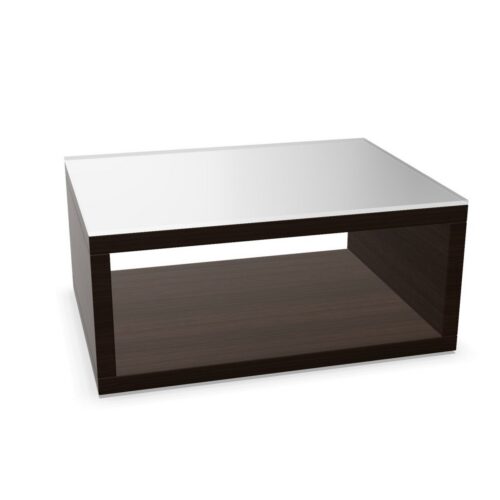
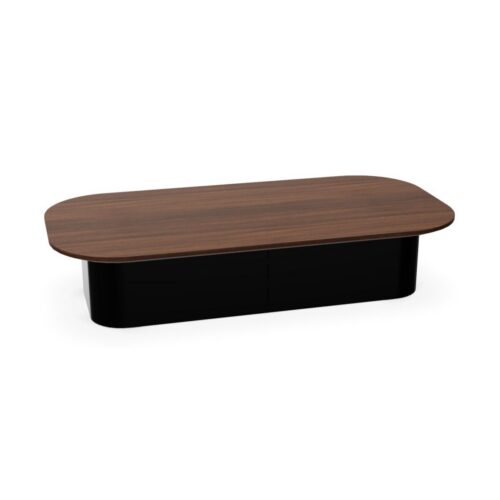
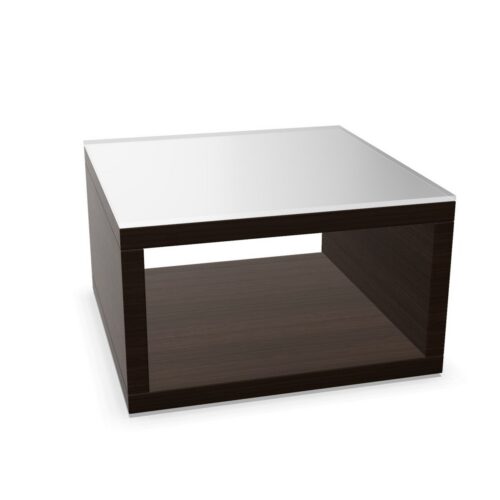
Lounge Furniture With Melamine Bases and White Surfaces

lounge furniture with melamine bases and white surfaces combines a specified base material with a clear surface color for reception and shared workplace lounges. The main visual decision is how white relates to the surrounding room: whether it continues a pale scheme or creates a distinct contrast against darker elements. The melamine base needs a separate assessment because its material does not, by itself, establish its color, outline, or visible finish.

Plan the combination from the room outward. Identify the backgrounds against which the furniture will be seen, then compare the white surface with the floor, walls, and adjacent pieces. Examine the base within those same views. This approach helps establish a coordinated seating composition while keeping material assumptions separate from appearance. It also makes the review more specific than choosing white in isolation and addressing the surrounding palette afterward.

2 models
From €11.99 p/m
4 models
From €35.51 p/m
2 models
From €30.05 p/m
3 models
From €18.78 p/m
4 models
From €19.95 p/m
5 models
From €57.57 p/m
5 models
From €2.40 p/m
2 models
From €12.26 p/m
€4.14 p/m
7 models
From €17.65 p/m
€15.83 p/m
12 models
From €14.86 p/m
3 models
From €29.50 p/m
3 models
From €14.96 p/m

Defining Lounge Furniture With Melamine Bases and White Surfaces

Start by deciding the role of white in the room scheme. It may continue an established light palette or provide a visible difference within a darker setting. Describe that intention before comparing furniture so the review focuses on a clear relationship with the actual workplace.

Consider all the backgrounds visible from the main approach. A white surface may appear against the floor in one view and against a wall in another. Review both situations, including nearby furniture, to determine whether the composition remains consistent as people move around the lounge.

Make the Base Part of the Visual Brief

When assessing lounge furniture with melamine bases and white surfaces, keep the base appearance in the comparison. Melamine identifies the selected base material, while the visible color and form require their own review. Do not assume the base shares the white surface color.

Look at the transition between base and surface, followed by the transition between base and floor. These relationships help establish whether the furniture reads as one continuous composition or as distinct elements. Either can suit a project when the choice is deliberate and coordinated with the surrounding setting.

Compare White With Other Pale Finishes

If the room already includes pale finishes, compare them directly with the proposed white surface. Similar colors should be reviewed together rather than treated as interchangeable. Decide whether close continuity is essential to the scheme or whether a visible difference remains consistent with the design intent.

Review the combination under the lighting used during working hours, including relevant daylight conditions. Bring the background and furniture color into the same assessment. This gives project participants a shared reference and avoids approving separate pale elements without considering how they will appear beside one another.

Arrange Seating With Clear Visual Boundaries

Lounge furniture with melamine bases and white surfaces should be considered within the complete seating layout. Check how the furniture's outline reads against its background, especially where the room contains several pale elements. Use the actual form and placement to assess that relationship.

Then review the composition from neighboring spaces. Decide whether the seating group should read as a distinct destination or as part of a continuous communal area. Keep access routes clear in the plan, and coordinate the base appearance across related groups where a consistent visual identity is intended.

Frequently Asked Questions

Is the melamine base necessarily white?

No. The white selection applies to the surface color. The base material is melamine, and its visible appearance needs separate assessment. Compare the actual base with both the white surface and the floor beneath the furniture.

How should white furniture relate to pale walls?

Review the colors side by side in the intended lighting. Decide whether the furniture should continue the wall palette closely or remain visibly distinct. Include the floor and neighboring pieces before confirming the overall relationship.

What should guide a shared lounge scheme?

Compare lounge furniture with melamine bases and white surfaces through a common visual brief. Define the intended background contrast, the role of the base, and the relationship between separate seating groups, then assess each area against those criteria.

Explore related selections