

Lounge Furniture With Metal Bases and White Surfaces

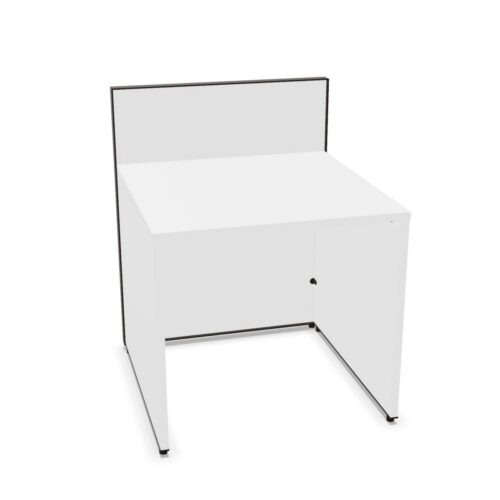
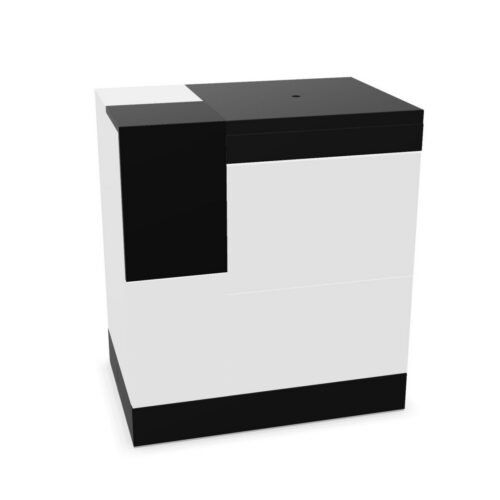
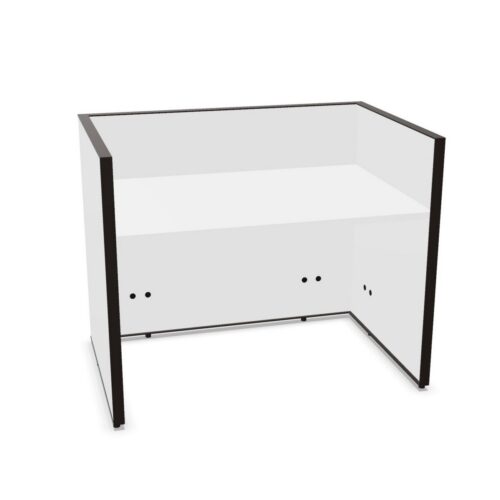
lounge furniture with metal bases and white surfaces gives workplace lounges a clear surface color to coordinate with a defined base material. This combination is useful to consider when planning reception seating against pale walls, darker floors, or an interior with several competing finishes. The white surface and the metal base need separate attention: surface color does not establish the base color, and the base material does not establish its finish. Assess how both parts appear together in the intended room.

Compare lounge furniture with metal bases and white surfaces from the entrance as well as from nearby seats. White can look different beside neighboring colors and under different lighting conditions, so review the intended setting before settling the arrangement. Decide whether the furniture should blend into a light background or remain clearly outlined against it. That decision helps guide placement, supporting colors, and the relationship between individual seating pieces.

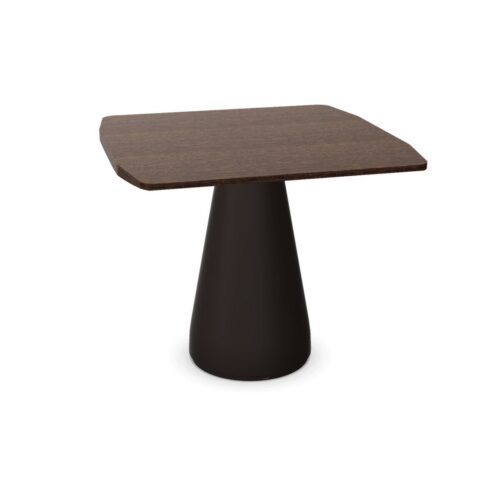
2 models
From €11.99 p/m
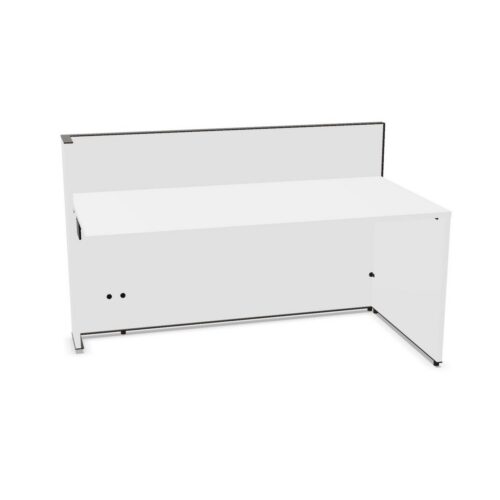
2 models
From €30.05 p/m
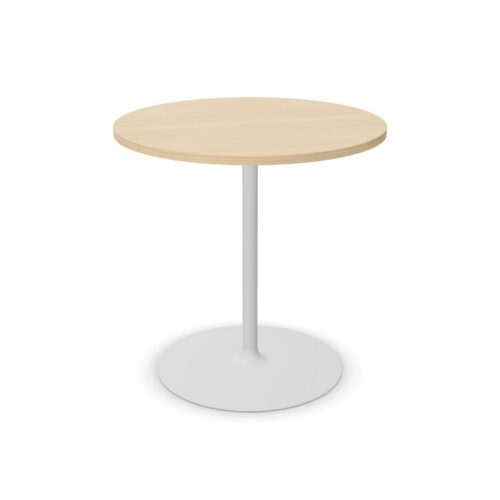
3 models
From €18.78 p/m
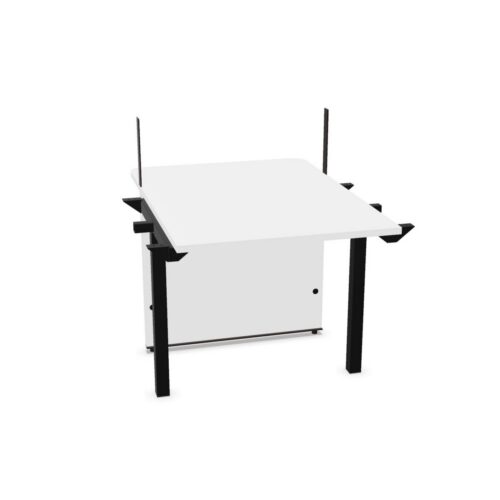
5 models
From €45.63 p/m
2 models
From €37.52 p/m
2 models
From €12.40 p/m
2 models
From €19.27 p/m
2 models
From €27.04 p/m
€5.00 p/m
€6.03 p/m

Positioning lounge furniture with metal bases and white surfaces

Start with the background behind the seating. A white surface against a similarly light wall creates a different visual relationship from the same surface against a dark partition. Look at the outline from the doorway and from the main walking route. With lounge furniture with metal bases and white surfaces, the visible base may also influence where the seating body appears to end and the floor begins. Review the complete piece in context, paying attention to edges that become less distinct and places where the furniture attracts more attention than intended.

Check white alongside the room palette

White should be assessed beside the colors already present in the room. Nearby pale finishes may appear warmer or cooler by comparison, even when each seemed suitable in isolation. Bring the intended surface references together under the lighting used in the space. Include the floor, wall, and neighboring furniture colors in that review. The objective is a deliberate relationship between them, rather than an assumed match. If different seating groups share the lounge, decide whether their white surfaces should read as one continuous visual theme or as separate elements within a broader palette.

Give the metal base its own review

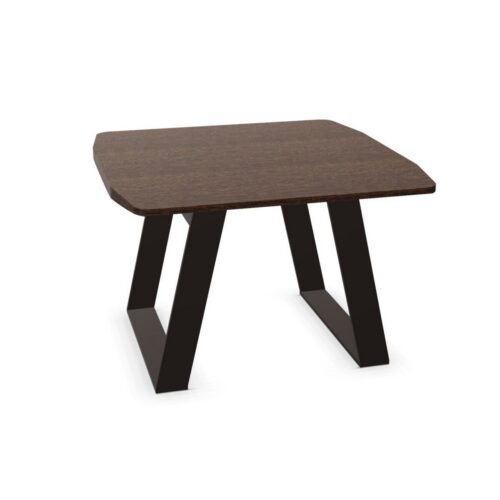
Metal identifies the base material without specifying its color, shape, or surface treatment. Consider how the actual base relates to the white surface above it and the floor below. A visible difference between these areas can make the construction outline more prominent; a closer color relationship can produce a quieter composition. Neither result follows from the material name alone. When assessing lounge furniture with metal bases and white surfaces, compare complete views and available finish references. Keep assumptions about appearance out of the decision until the relevant details have been established.

Use repetition with a clear purpose

Repeated white surfaces can connect separate seating groups, but repetition works best when the room layout explains it. Identify the main waiting area, any smaller conversation setting, and the route linking them. Decide where a repeated color will help these areas belong together and where another surrounding color should distinguish their roles. Review the composition with people seated as well as when it is empty. A presentation image often emphasizes the furniture outline, while everyday use changes how much of each surface remains visible. Plan for both views when deciding which pieces should carry the visual continuity.

Frequently asked questions

Will white seating automatically match white walls?

No. Compare the actual whites together under the room lighting. Differences in their appearance can become more noticeable when they sit close together, so treat matching as a specific visual check.

Does this combination include a white metal base?

The selected white refers to the surface color. The metal base requires a separate finish review; its material alone does not establish whether it is white, dark, or another color.

Where should the first room review take place?

Begin at the main entrance, then move to the seating approach. Assess lounge furniture with metal bases and white surfaces against its actual background, checking whether each group remains visually distinct and easy to identify.

Explore related selections