

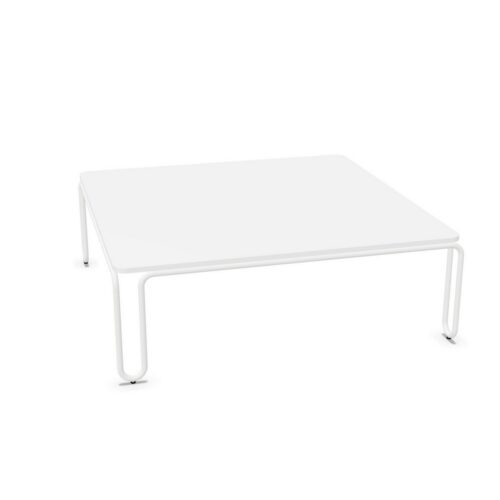
White Surfaces for Lounge Furniture

white surfaces for lounge furniture provide a clear color direction for workplace lounges, reception areas, and informal gathering spaces. The useful planning question is how that white relates to the surrounding room. Consider the floor, walls, adjacent furniture, and lighting together rather than assessing the surface in isolation. White identifies a surface color; it does not establish the underlying material, surface treatment, or the color of every part of the furniture.

When comparing white surfaces for lounge furniture, decide where the color should create continuity and where it should provide contrast. A white surface against a pale background may appear less distinct than the same surface within a darker setting. Review the actual appearance from the entrance and from seated positions. Then assess how much of the surface remains visible within the proposed arrangement, because neighboring pieces and the orientation of the furniture affect its role in the overall composition.

4 models
From €31.59 p/m
2 models
From €9.47 p/m
2 models
From €9.33 p/m
€19.45 p/m
2 models
From €19.09 p/m
2 models
From €2.71 p/m
4 models
From €6.14 p/m
3 models
From €2.38 p/m
2 models
From €41.43 p/m
2 models
From €31.65 p/m
€22.84 p/m

Coordinating White Surfaces for Lounge Furniture

Begin with the existing color relationships in the room. Identify the largest surrounding areas and consider how the selected white surface will sit beside them. The same white can appear different when viewed against contrasting backgrounds or under different lighting. Use the actual appearance of the furniture wherever possible and compare it within the intended setting. Decide whether the surface should connect with nearby pale areas or stand apart from darker surroundings. This gives the color a clear role in the interior scheme and provides a more precise basis for comparing furniture than considering white as an isolated choice.

Review the Color Under the Room's Lighting

Assess white surfaces for lounge furniture under the lighting conditions expected in the space. Where the room receives daylight, compare the appearance at representative times as well as under artificial light. Keep neighboring colors in view during this assessment because they contribute to the overall impression. Do not infer a particular surface treatment or degree of reflectiveness from the color alone. Confirm those details for the individual furniture if they matter to the scheme. Record the conditions used for the comparison so that different reviewers understand the context in which the proposed white surface was assessed.

Control Repetition Across the Lounge

Decide how widely the white surface color should repeat within the group. Repetition can establish a visible connection, but its effect depends on how much of each surface can be seen and where the pieces are placed. Review the whole arrangement from the main approach before concentrating on individual combinations. Consider whether the room needs one clear color relationship or several distinct groups. Then inspect the view from nearby seats, where the balance between white surfaces and surrounding colors may change. Let these views guide the composition rather than assuming that a shared color makes every arrangement equally coherent.

Confirm the Scope of the Color Choice

A brief for white surfaces for lounge furniture should distinguish the selected surface color from the appearance of the complete piece. Check which parts are white and assess the remaining visible elements separately. The color does not identify the underlying material, establish a particular finish, or determine care requirements. Confirm any such details directly when they form part of the project brief. Keeping those questions separate helps the team compare verified characteristics without adding assumptions to the color choice. It also makes it easier to explain how each proposed piece relates to the room and why its overall appearance suits the arrangement.

Frequently Asked Questions

Does a white surface mean the whole piece is white?

No. Review which visible surfaces carry the selected color and assess the rest of the furniture separately. The complete appearance depends on the individual design, so use the full piece when evaluating the room scheme.

How should white be compared with existing pale colors?

View the actual appearances together under the room's lighting. Assess whether their relationship provides the continuity or contrast intended for the scheme, and repeat the comparison from the main approach and nearby seating positions.

Does white establish a material or care method?

No. White surfaces for lounge furniture identify a color choice. Confirm the underlying material, surface treatment, and relevant care information separately whenever those details are needed for the project or the assessment of an individual piece.

Explore related selections