


Lounge Furniture With Steel Bases and Green Surfaces

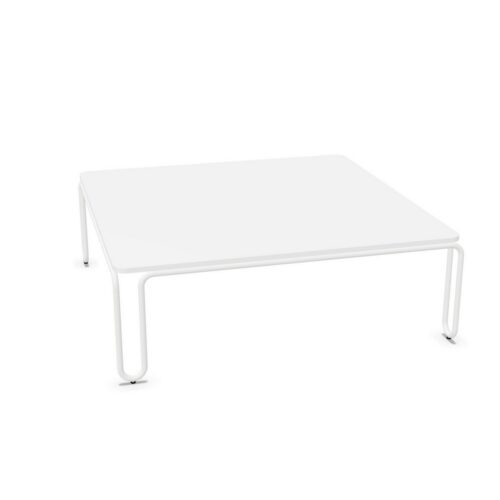
lounge furniture with steel bases and green surfaces establishes a color direction that should be assessed against the whole interior setting. Green may already appear in surrounding furniture, architectural details, or views beyond the room. The selected surface color needs a deliberate relationship with those references rather than an assumed match. Steel identifies the base material, but its actual appearance remains an independent part of the composition.

Start by deciding whether the lounge should have its own identity or connect visually with neighboring spaces. Compare the particular green against the backgrounds seen from the entrance and nearby seats. Then examine how much of the surface color is visible across the group and how the base defines each piece. This approach ties the combination to a practical room plan, with color, furniture form, and placement contributing to a clear arrangement for waiting or informal conversation.

2 models
From €9.47 p/m
2 models
From €9.33 p/m
€19.45 p/m
2 models
From €19.09 p/m
€13.37 p/m
€12.65 p/m
€31.06 p/m
€46.12 p/m
2 models
From €16.83 p/m
2 models
From €7.59 p/m
3 models
From €9.37 p/m
2 models
From €1.68 p/m
3 models
From €9.37 p/m
€19.70 p/m
€23.45 p/m

Placing lounge furniture with steel bases and green surfaces

Identify the strongest color relationships around the proposed lounge. A green surface beside a neutral wall has a different role from one seen among several other green elements. Decide whether the furniture should introduce the principal color accent or join an existing pattern. Review the group from the routes people use to approach it, paying attention to the background at each point. This reveals whether the green remains distinct, becomes closely related to its surroundings, or shifts in emphasis across the room. Use those observations to establish the most appropriate position and orientation.

Choose a clear relationship between greens

Where green appears elsewhere, compare the particular shades together. A difference in undertone or depth can be useful if it creates an intentional relationship, but a vague near match may leave the composition unresolved. Consider which green should provide the main reference and how much visual space each occupies. If exterior views form part of the background, assess the furniture against the interior palette as well, since those views can vary. The lounge should have a coherent relationship with the fixed elements around it rather than depend on a single background condition.

Assess the steel base within the composition

When evaluating lounge furniture with steel bases and green surfaces, include the visible base in every color comparison. Its material does not specify a color, finish, or particular shape. Examine the actual design against the green surface and the floor, noting which parts of the outline become prominent. A clearly differentiated base adds another visual reference to coordinate with surrounding furniture. A closer tonal relationship may place greater emphasis on the green area and the overall form. Review the junction between base and surface from the main approach as well as from adjacent seating positions.

Coordinate color with the group layout

Use the intended activity to organize the furniture before deciding how widely to repeat green. A conversation setting needs a clear relationship between seats, while a reception lounge also needs an understandable connection with the arrival route. Assess the distribution of green across the arrangement from each relevant viewpoint. A concentration in one part of the group can create a focal area; a more even distribution can connect the pieces visually. Check that this emphasis aligns with the way people enter and use the space. Color placement and furniture orientation should reinforce a shared spatial purpose.

Frequently asked questions

Should green surfaces match every green in the room?

No. Decide which visible relationship matters most, then compare shade and tonal depth against that reference. Other greens can differ deliberately. The composition needs a clear hierarchy rather than a uniform match across all surrounding elements.

How should exterior views influence the color decision?

Treat them as one part of the setting. Assess the green surface against the fixed interior colors too, so its visual relationship remains coherent when the view beyond the room or the available light changes.

What is the priority when comparing green lounge designs?

For lounge furniture with steel bases and green surfaces, review the specific shade within its intended setting, then assess base appearance and furniture orientation. Together, these establish how clearly the seating group relates to the surrounding space.

Explore related selections