

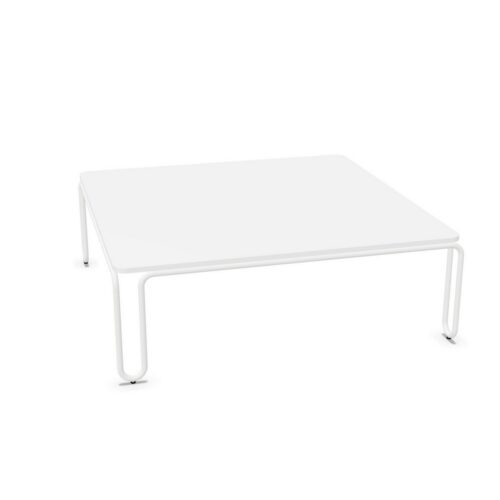
Lounge Furniture With Steel Bases and White Surfaces

lounge furniture with steel bases and white surfaces creates a specific starting point for a reception lounge where tonal relationships deserve close attention. White can either connect with pale surroundings or establish a clear contrast against darker elements. The steel base adds a separate visual component, but its material alone does not establish its color or finish. Compare the surface and base together before deciding how the furniture should sit within the room.

Start by identifying which white elements will be seen alongside the lounge furniture. Walls, neighboring furniture, and architectural details may have different undertones, even when each initially appears white. Those differences become relevant when the elements share a sightline. Consider whether the lounge should blend into that setting or remain visually distinct, then review the furniture outline and base visibility against the actual background. This gives the comparison a practical focus beyond the color name.

2 models
From €9.47 p/m
2 models
From €9.33 p/m
€19.45 p/m
2 models
From €19.09 p/m
4 models
From €6.14 p/m
3 models
From €2.38 p/m
2 models
From €41.43 p/m
2 models
From €31.65 p/m

Assessing lounge furniture with steel bases and white surfaces

Set a clear tonal objective before comparing individual shapes. A lounge that continues an existing pale palette needs a different relationship with its surroundings from one intended to stand apart from darker furniture. Identify the dominant background from the main entrance, then examine how the white surfaces read against it. Look for places where the furniture outline becomes difficult to distinguish or where the contrast is stronger than intended. The steel base should be included in this assessment, since its actual appearance may help define the outline or introduce another visual element into the room.

Compare neighboring whites directly

White surfaces can appear warmer or cooler beside other pale elements. Review the proposed furniture alongside the whites that will be closest to it, using the lighting present during normal room use. Focus on relationships that people will see together rather than trying to align every pale element throughout the building. Where two whites differ, decide whether that difference is clear enough to feel intentional. An uncertain near match can be more distracting than a deliberate distinction. Include the floor and the wall behind the seating when assessing the overall balance.

Keep the arrangement readable

Plan the seating group around the entrance route and the direction of conversation. In a predominantly pale room, placement and orientation may need to do more work in distinguishing the lounge from adjacent areas. Establish a recognizable group, with access that remains clear from the principal approach. Review how individual pieces relate when seen together, especially where white surfaces overlap visually. In a darker setting, check that the contrast supports the intended focus of the room. Let the layout explain where people should enter and gather, while the color relationship reinforces that organization.

Understand the base as part of the outline

For lounge furniture with steel bases and white surfaces, base visibility is an important comparison point. Steel identifies the base material, while the visible color, shape, and junction with the surface still need separate review. Look at the furniture from across the room and from the approaches used to enter the seating group. Notice whether the base forms a distinct boundary below the white area or reads as a quieter component. Relate that effect to nearby furniture so the lounge has a coherent visual structure without requiring every piece to share the same outline.

Frequently asked questions

Should the white surfaces match the walls?

They can, but a match is not essential. Decide whether continuity or separation better supports the room plan. Compare the whites together under the actual lighting, paying attention to undertones and the visibility of the furniture outline.

Does a steel base have a silver appearance?

The material description does not establish a silver color or any particular finish. Assess the actual base appearance independently, then consider how it relates to the white surface and the surrounding furniture.

What matters most in an all-white reception lounge?

With lounge furniture with steel bases and white surfaces, review tonal differences, overlapping outlines, and the definition of the seating group. The entrance view is especially useful for checking whether the arrangement remains clear within a predominantly white setting.

Explore related selections