







Assessing lounge furniture with wood bases and white surfaces
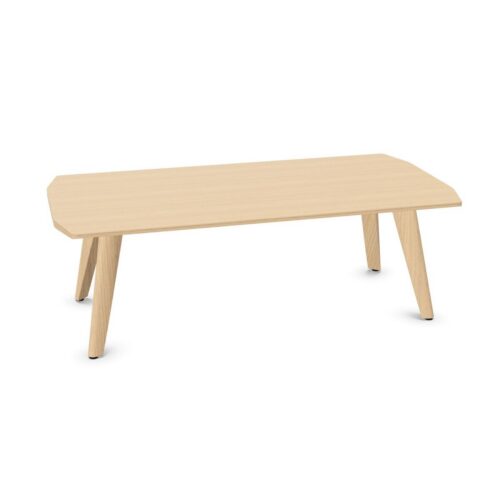
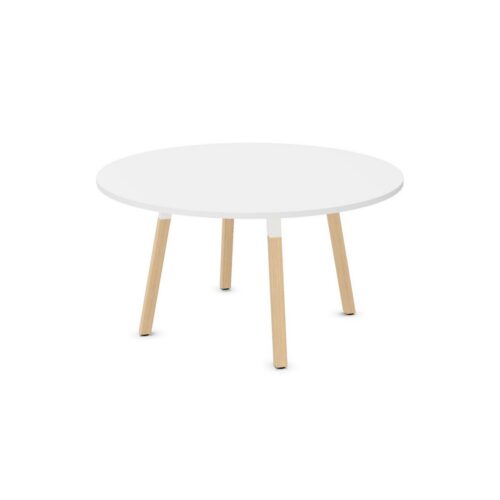
Begin with the meeting point between the white surface and the visible base. This relationship can be more informative than either attribute considered alone. The wood may appear close in tone to nearby interior elements or distinctly different from them; establish which is true before describing the composition. White also needs a background comparison. Against another light color, the furniture boundary may be subtle, while a darker background can create stronger tonal separation. Decide which relationship supports the room's intended character, then assess whether it remains clear from the places where people enter, wait or pass through the lounge.
Coordinate Wood by Observation
Do not assume that a wood base matches another wood element simply because the material description is the same. Compare the actual visible appearance, including its relationship to the white surface above it. Matching is one possible intention; deliberate variation is another. With lounge furniture with wood bases and white surfaces, make that intention explicit before reviewing alternatives. This is particularly useful where the base is visible against the floor or beside other furnishings. Consider whether the wood should link the lounge to the wider room or give the seating group its own material reference. Both decisions require observation rather than a presumed wood color.
