

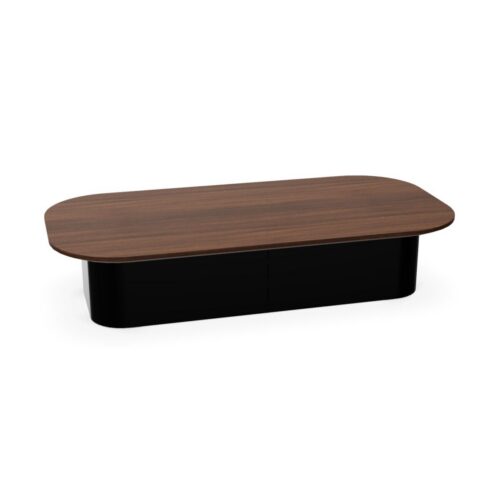
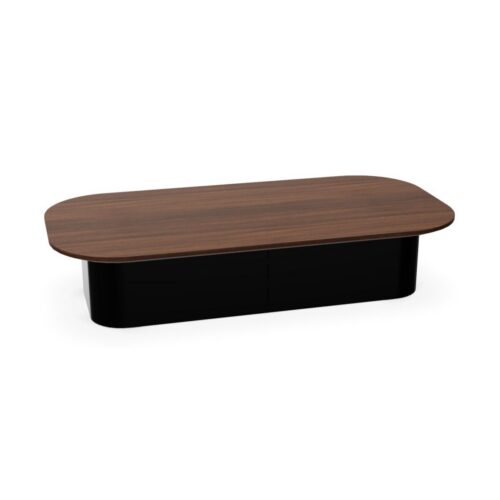
Lounge Furniture With Oval Tops and White Surfaces

lounge furniture with oval tops and white surfaces offers a rounded top outline within a clearly defined color scheme. In reception lounges and shared workplace settings, the key decision is how that outline relates to the people seated around it. Start with the intended seating arrangement and consider the top from the longer sides and the rounded ends. These positions may have different relationships with the surrounding furniture and the main approach.

The white surface also needs to belong to the room’s broader palette. Compare its actual appearance with nearby white elements and the colors immediately around the seating group. Assess the oval profile itself rather than assuming that the name defines every part of the outline. Shape, orientation, and color should be considered together so the resulting arrangement has a clear visual center and an understandable relationship with the routes through the lounge.

4 models
From €31.59 p/m
2 models
From €38.54 p/m
3 models
From €13.00 p/m
2 models
From €12.40 p/m
3 models
From €99.55 p/m
5 models
From €3.96 p/m
€13.92 p/m
7 models
From €17.65 p/m
5 models
From €11.77 p/m
8 models
From €6.58 p/m
3 models
From €3.34 p/m
3 models
From €99.15 p/m
3 models
From €101.58 p/m
2 models
From €45.78 p/m
16 models
From €61.19 p/m
7 models
From €60.20 p/m
11 models
From €69.03 p/m
3 models
From €12.14 p/m
18 models
From €7.07 p/m
2 models
From €12.81 p/m

Arranging Lounge Furniture With Oval Tops and White Surfaces

Build the seating arrangement first, then place the oval top in relation to it. Identify which seats should have the closest relationship with the shared surface and which belong more loosely to the group. Review the actual outline from those positions before deciding on its orientation. The longer direction may follow the main seating line, but that relationship should be checked against the entrance and adjacent furniture. An arrangement that looks centered on a plan can read differently from a seated viewpoint. Use both perspectives to establish where the top belongs within the lounge and what visual role it should play.

Give the Rounded Ends a Clear Role

For lounge furniture with oval tops and white surfaces, the rounded ends deserve their own placement review. Check whether they face seating, open floor, or a route through the room. Their position should follow the intended composition rather than be left as a consequence of aligning the longer sides. Where an end faces the main approach, assess the furniture from that direction before approving the layout. Review the full footprint alongside the surrounding seats. A rounded outline does not establish how much circulation space the arrangement needs or whether it suits a particular position in the room without a complete layout assessment.

Establish the White Color Reference

Choose which existing element should guide the white surface decision. It may be a nearby wall, another prominent furniture surface, or a wider room palette. Compare the actual colors together under normal lighting and decide whether the relationship should be close or deliberately different. Include the backgrounds seen from the ends and sides of the oval, because those views can produce different color impressions. Do not infer material or finish from white alone. Keep those requirements separate, while recording how the color supports the oval's position within the group and its relationship with the surrounding lounge furniture and room boundaries.

Compare the Complete Conversation Group

Assess lounge furniture with oval tops and white surfaces as part of the full seating composition. Include the furniture immediately beside the group and the main routes that connect it with the wider room. Review whether the oval creates a clear center or whether another position better suits the intended arrangement. If the seats are likely to occupy different positions during ordinary use, consider those layouts before finalizing the plan. A useful comparison record identifies the preferred orientation, the important seated views, and the reference white. Construction, care, and any additional requirements should then be confirmed independently for the actual furniture.

FAQ

Should an oval top sit exactly at the center?

Only if that position suits the seating relationships and circulation plan. Review the group from occupied seats as well as from above. A visually centered arrangement and a useful shared surface position do not always coincide.

What should be checked at the rounded ends?

Check nearby seats, passing routes, and the arrival view. With lounge furniture with oval tops and white surfaces, the ends are part of the overall composition and should have a deliberate relationship with the space around them.

Can the white differ from nearby white surfaces?

Yes, when the difference supports the intended palette. Compare the actual colors together and make the relationship deliberate. A close match and a clear variation require different judgments, so establish the aim before approving the color.

Explore related selections