


Lounge Furniture With Rectangular Tops and White Surfaces

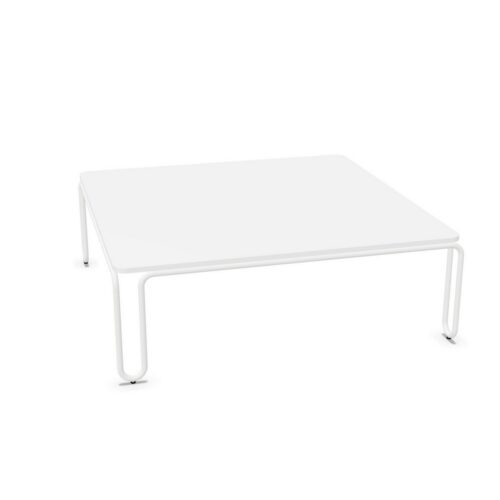
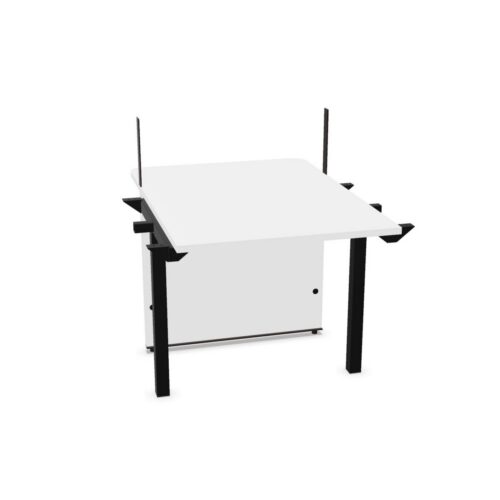
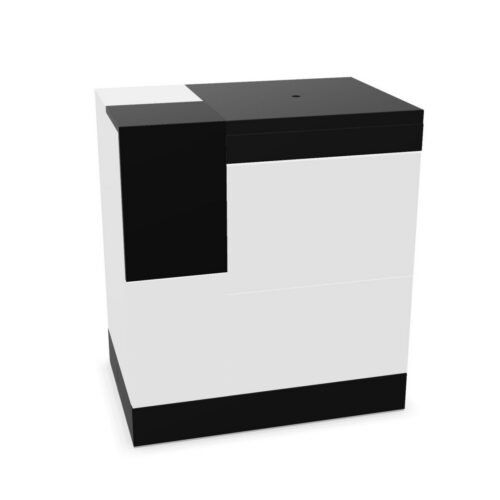
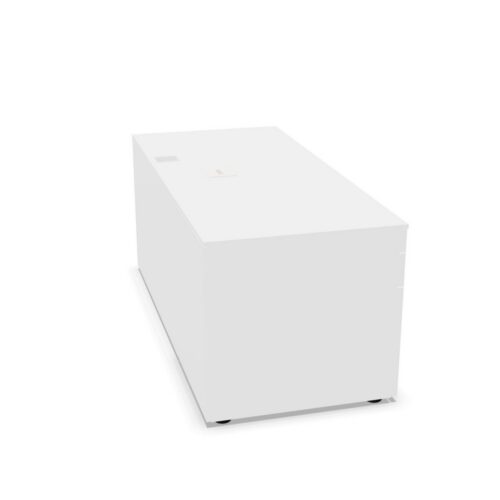
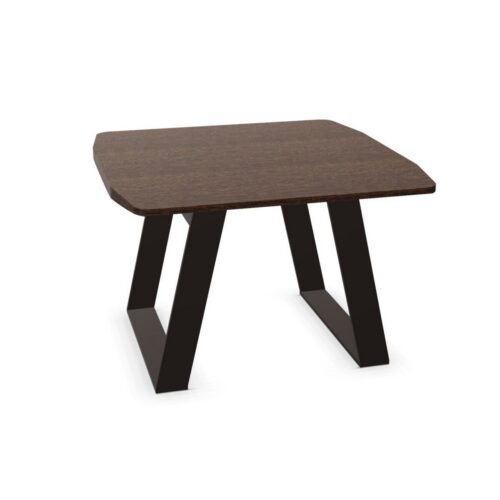
lounge furniture with rectangular tops and white surfaces gives a lounge arrangement a clear set of edges and a defined color reference. The planning opportunity lies in relating those edges to the seating and the room’s established lines. Begin with the main seating position, then review whether the top should follow it directly or take another orientation. Include the furniture’s corners and the routes around the group in that first assessment.

A white rectangular surface can participate in an existing white palette or create a distinct area within a more varied setting. Compare the actual shade beside its immediate surroundings instead of treating all whites as equivalent. Shape and color need to work together: a well-aligned top still needs a considered color relationship, while a coordinated white does not resolve an unsuitable position within the lounge. Review both decisions in the complete seating arrangement.

€19.45 p/m
2 models
From €25.77 p/m
2 models
From €11.99 p/m
4 models
From €35.51 p/m
2 models
From €30.05 p/m
3 models
From €18.78 p/m
5 models
From €45.63 p/m
4 models
From €19.95 p/m
€14.55 p/m

Aligning Lounge Furniture With Rectangular Tops and White Surfaces

Choose the room relationship that should guide the rectangle's orientation. This may be the main seating line, a prominent wall, or the direction of the lounge group within a larger space. Compare the top's edges with that reference and review the result from the entrance. Avoid trying to align with every visible line if the room already contains several directions. One clear relationship is easier to assess than a series of competing adjustments. Check the seated view as well, since the alignment that appears strongest on a plan may be less relevant to people using the group during a normal working day.

Place Corners Away From Busy Approaches

When planning lounge furniture with rectangular tops and white surfaces, mark the corners explicitly rather than considering only the central area. Trace the usual approaches to the seats and the routes beside the group. If a corner sits close to a frequently used approach, review the position of the whole arrangement before approving it. Include surrounding chairs in their expected everyday positions. The goal is to establish a clear circulation plan around the complete furniture footprint. Color coordination should follow that layout decision, rather than encourage a position that looks strong from the entrance but has an unresolved relationship with movement elsewhere.

Compare White Across a Defined Outline

The rectangular shape creates a clear boundary between the surface and its surroundings. Use that boundary to assess the color relationship with the floor and nearby furniture. Decide whether the white should align closely with another white element or form an intentional contrast within the room. Review the actual appearance under normal lighting, including the view from the main seats. Do not assume that white identifies a particular material, surface treatment, or care method. Those details need separate confirmation. The visual assessment should explain how the color supports the rectangle's position and why the combination belongs within the planned lounge composition.

Keep Repeated Groups Consistent in Intent

If several lounge groups share a space, compare how lounge furniture with rectangular tops and white surfaces relates to each arrangement. Consistency can come from a shared alignment principle or a common white reference, without requiring every group to face the same direction. Let each seating layout establish its immediate relationships, then review the groups together from the routes between them. Record the reason for any change in orientation. This helps distinguish a response to the room from an accidental inconsistency. Complete the comparison by confirming construction and care requirements independently, keeping the layout and palette decisions clear for everyone involved in the project.

FAQ

Which line should guide a rectangular top?

Choose the line most relevant to the seating arrangement and the main room view. Assess the result from occupied positions, then check circulation. Trying to follow several competing lines can make the furniture's orientation harder to understand.

How should corners be reviewed in a lounge plan?

Mark them alongside the normal approaches to each seat. For lounge furniture with rectangular tops and white surfaces, review the complete outline with neighboring furniture in place before deciding that an alignment suits the room.

Should repeated rectangular tops all face the same way?

They can follow different seating orientations while sharing a clear planning principle. Review the groups together and make any differences deliberate. A consistent relationship with each group can matter more than a single direction across the whole space.

Explore related selections