



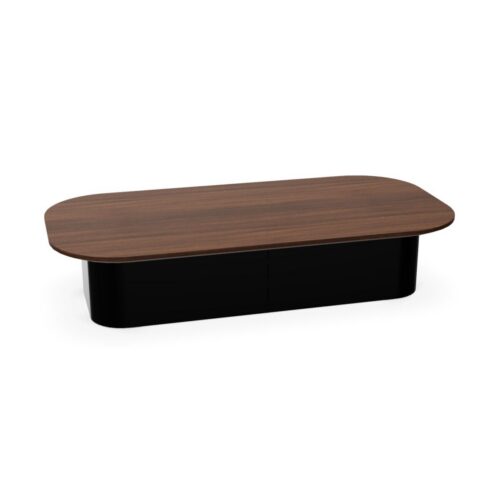
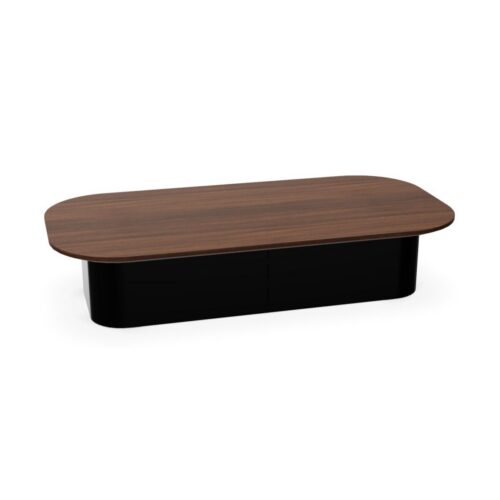


Placing Lounge Furniture With Oval Tops and Wood Surfaces
Use the oval's long axis as a reference when comparing positions. Alongside a sofa, it establishes one continuous direction. Across the group, it creates a different relationship between facing or neighboring seats. Assess these alternatives through the intended activity and approach routes, rather than choosing the orientation solely from an overhead view.
Mark the full curved outline on the layout. The space around an oval changes along its length, so review the sides and ends separately. Check where people stand before sitting and where they turn when leaving, including movements that occur while someone else remains seated nearby.
Understanding the Role of the Curved Ends
The curved ends are a defining part of the oval composition, but their practical value depends on placement. Look at where they face: a seat, an open part of the group, or a walking route. Each position creates a different relationship that deserves its own assessment during the layout review.
Avoid treating the absence of square corners as evidence that the arrangement needs no access checks. The table still occupies a continuous area. Trace the usual approaches around both ends and compare them with the positions of occupied seats, personal items, and the main route past the lounge.
Reviewing Informal Discussion Layouts
For a lounge used for conversation, identify which seats are expected to relate to the tabletop. People along the sides and people near the ends will experience different positions. Check ordinary actions such as placing a drink or referring to a document without assuming that visual proximity guarantees convenient access.
Record the intended purpose of the table within the group. It may primarily relate to one seating line or form part of a broader shared arrangement. That distinction helps resolve competing preferences about centrality, orientation, and wood-tone coordination, giving the final review a clearer practical focus.
