



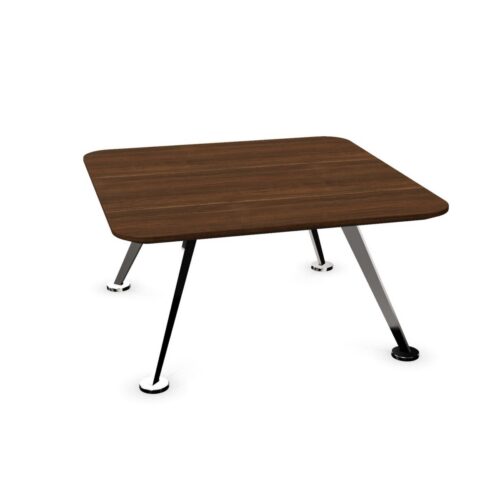
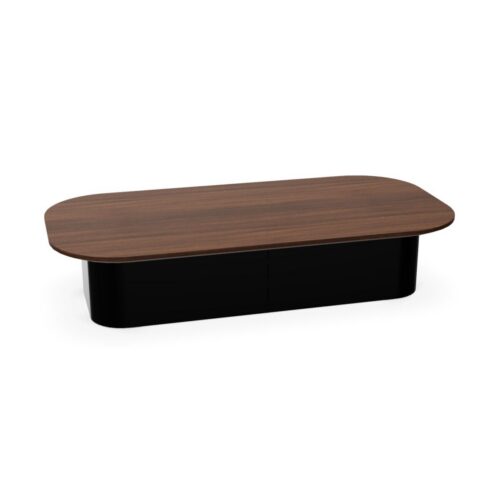

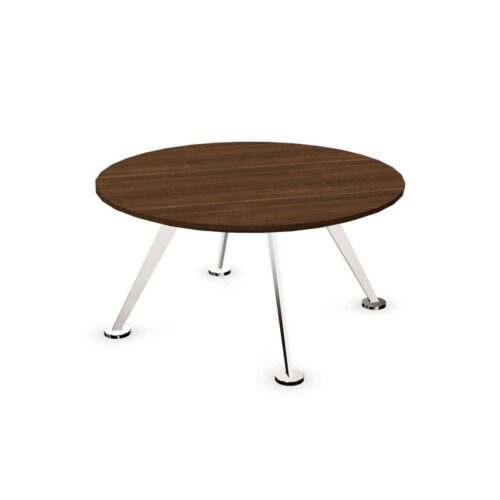


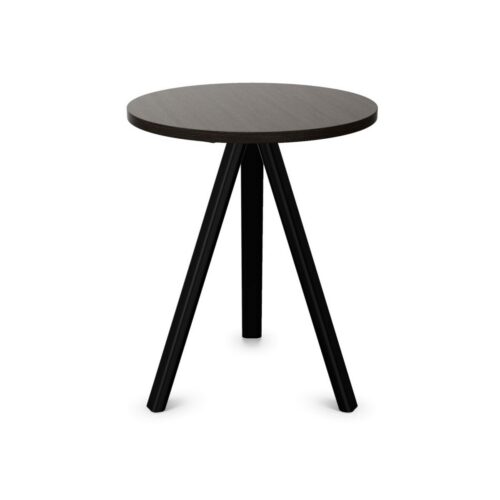


Organizing Lounge Furniture With Square Tops and Wood Surfaces
Choose the main reference lines for the arrangement before positioning the table. These might come from a sofa, a pair of facing seats, or the direction of the room. Compare an aligned square with a turned position, noting how both its edges and corners relate to the seats and approaches around it.
The equal sides provide a consistent outline, but the room rarely presents identical conditions on every side. Identify the primary users of the tabletop and review their positions individually. A visually regular arrangement should still be tested against the way people actually enter, occupy, and leave the seating group.
Using Wood Color Within a Structured Layout
A square wood-colored surface can be assessed as a distinct block within the room composition. Compare its tone with nearby elements and decide whether it should closely coordinate with them or establish a visible difference. Make that intention explicit before comparing color references, so the review has a clear purpose.
Look at the proposed surface under the intended lighting and from the main approach. The visible area and surrounding colors both influence how the tone reads within the lounge. Keep appearance and material confirmation separate; a wood color description does not establish construction, surface treatment, or maintenance requirements.
