



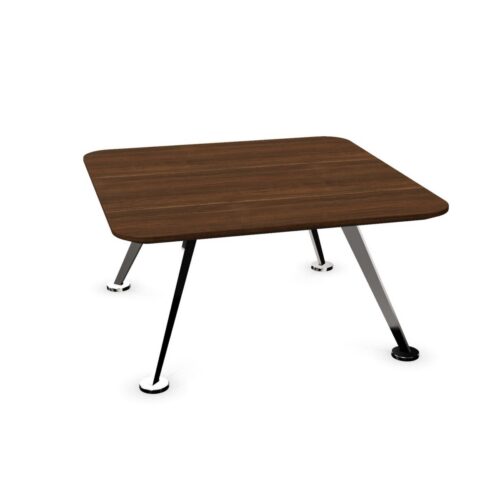

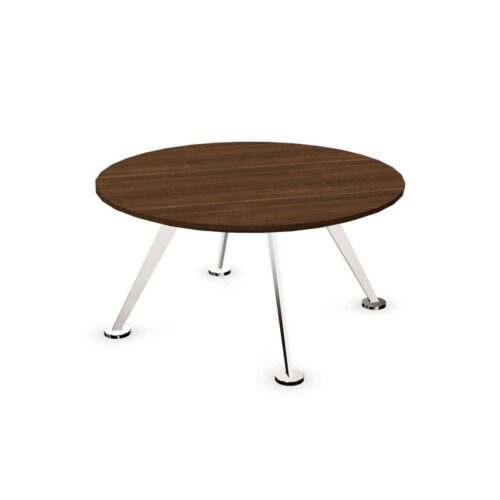


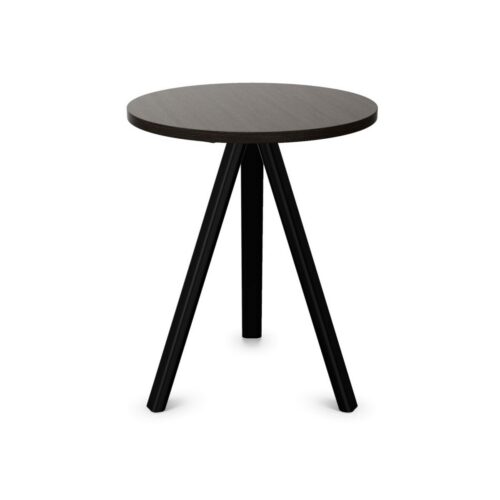


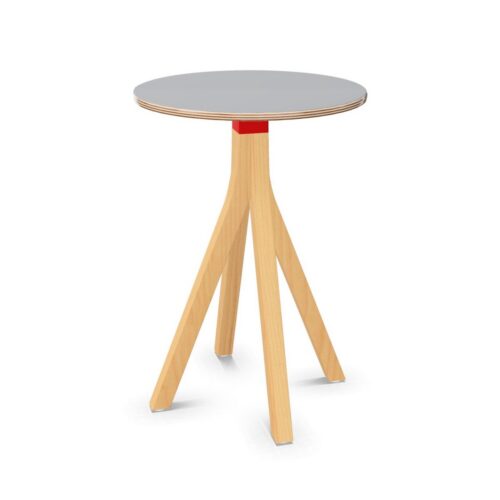


Viewing Lounge Furniture With Round Tops and Wood Surfaces
Start with the views into the lounge rather than a single front-facing composition. A round tabletop keeps the same basic outline as the viewpoint changes, but its relationship to seating and background colors will vary. Identify the main arrival route and any secondary approaches that are important to the way the room is used.
Compare those views with the proposed table position. Look at whether the circle belongs within the seating group or appears detached from it, and assess how much of the wood-colored surface is visible. These observations help connect the table's geometry with the broader composition before detailed placement is resolved.
Finding the Right Position Among Seats
A central circle does not automatically create the same relationship with every seat. Begin with the people most likely to use the tabletop and check their individual positions. A sofa, a facing seat, and a seat placed at an angle can each require a different assessment of the same table.
Review ordinary actions such as placing a personal item or retrieving a drink. Then trace the route into and out of each seat while neighboring places are occupied. Adjust the circle's position where necessary, considering the effect on the whole group rather than prioritizing only the seat nearest the main approach.
