

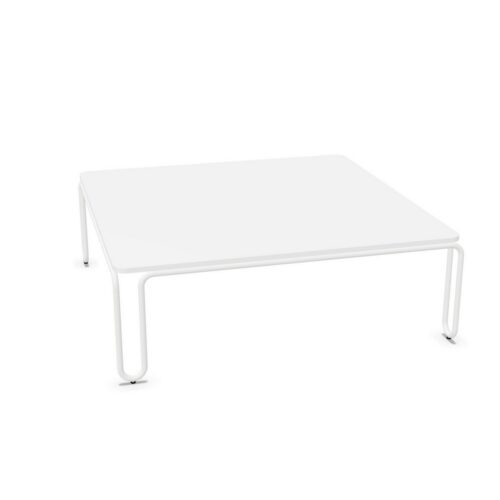
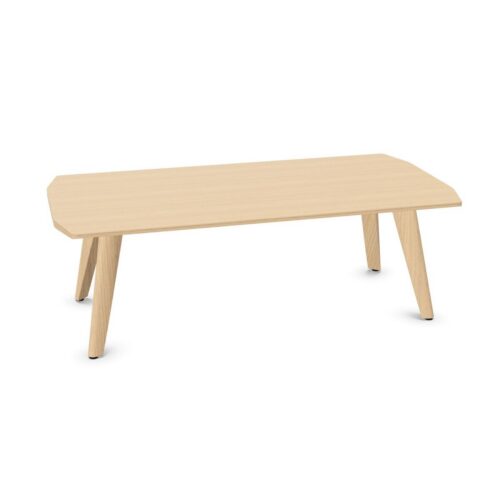
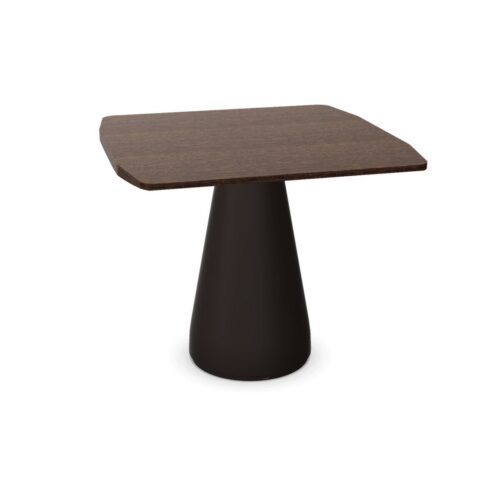
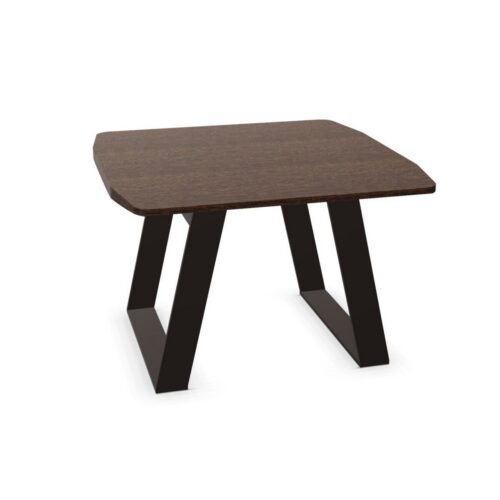
Lounge Furniture With Rectangular Tops and Wood Surfaces

lounge furniture with rectangular tops and wood surfaces gives workplace planners a combination of directional geometry and wood-colored appearance. The rectangular tabletop can establish a clear relationship with a sofa or a line of lounge seats, while its surface tone needs to be considered alongside the wider interior. Treat those as connected decisions: the table’s position affects both how people use the group and how its color appears from across the room.

Start by deciding which seats the table is intended to serve. A rectangular outline may appear balanced at the center of a composition yet relate more closely to some seats than others. Compare the long sides and the ends with occupied positions and entry routes. Then review the wood tone against nearby colors, confirming the actual surface material separately. This approach is useful in reception lounges and informal workplace settings where visual coordination must support a clear, practical arrangement.

€19.45 p/m
2 models
From €19.09 p/m
3 models
From €2.38 p/m
2 models
From €25.77 p/m
2 models
From €11.99 p/m
4 models
From €35.51 p/m
3 models
From €18.78 p/m

Aligning Lounge Furniture With Rectangular Tops and Wood Surfaces

A rectangular tabletop introduces a strong lengthwise direction. Begin by comparing that direction with the main seating line. Parallel alignment and crosswise placement create different relationships between the table, individual seats, and the surrounding room. Review each possibility against the intended use rather than assuming that alignment with the sofa settles the decision.

Include occupied seating positions in the comparison. The person at a sofa end may approach the tabletop differently from someone sitting nearer its center. Check these individual relationships before deciding where the rectangle should sit, particularly when the group includes seats facing it from more than one direction.

Reviewing the Ends and Entry Routes

The ends of a rectangular top often meet the places where people approach a seating group. Trace those movements explicitly, including the turn toward a seat and the return to the main aisle. Assess whether the table's corners fall along the natural approach or whether a different position would make the route more direct.

Keep the surrounding arrangement visible during this review. A table moved away from one entry point may become less convenient for another seat or extend toward a passing route. Compare the consequences together, using the full group rather than treating each adjustment as an isolated improvement.

Coordinating Wood Color Without Assuming a Match

For lounge furniture with rectangular tops and wood surfaces, the wood tone can become a substantial part of the visible room palette. Compare it with nearby elements in the same view. Similar descriptions do not establish matching colors, and differences may be more apparent when the surfaces sit close to one another.

Decide whether the design calls for close coordination or a clear difference between tones. Review references together under the intended lighting, then look at the composition from the entrance. Keep the surface appearance separate from material composition, which needs its own confirmation when assessing care or other project requirements.

Preparing a Practical Selection Brief

Describe the table's intended relationship to the lounge in plain terms. Identify the primary seating line, the seats that need to relate to the tabletop, and the approaches that must remain clear. Add a short statement about the wood color, explaining whether it should coordinate closely with existing elements or introduce another tone.

Use that brief consistently when comparing arrangements. Review plan views for alignment and access, then seated and entrance views for everyday relationships and color composition. This gives stakeholders a common basis for discussion and reduces the chance that a visually appealing angle outweighs the needs of the occupied lounge.

Frequently Asked Questions

Where should a rectangular top sit beside a sofa?

Start with the seats expected to use it, then check the table's ends against the approaches to those seats. Centering it on the sofa is one possible arrangement, but the room entrance and neighboring seating may justify a different position.

Should the wood color match nearby surfaces?

A close match and a deliberate difference are both valid design intentions. Choose the relationship first, then compare actual color references together. Do not assume that surfaces described as wood will share the same tone or that their material composition is identical.

What should be included in the final review?

Review lounge furniture with rectangular tops and wood surfaces through seating alignment, access around the ends, and the visible relationship between colors. Check the group while occupied and from the main approach so the practical and visual decisions can be assessed together.

Explore related selections