

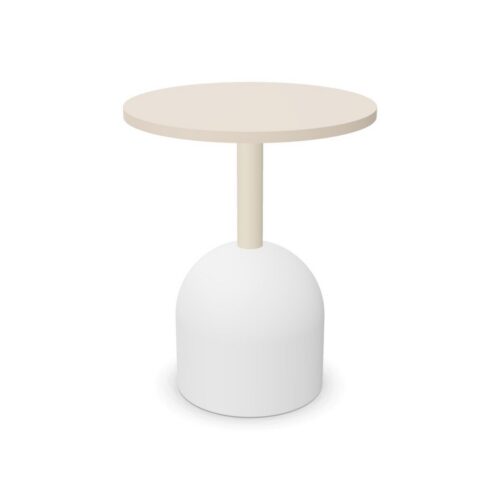
Lounge Furniture With Round Tops and Green Bases

Lounge furniture with round tops and green bases brings a circular surface and a defined color accent into workplace seating areas. This combination is worth considering where chairs face a shared center without following a rigid row. The round outline establishes the shape of the arrangement, while the green base introduces color below the top. Plan both elements together so the furniture relates to the seating and remains legible from the entrance.

Begin with the positions people will occupy and the routes they will use to reach them. A circular top still needs space around its full perimeter, particularly where seats face different directions. Then consider how much of the green base will remain visible between chairs. Its contribution may be subtle from one viewpoint and more noticeable from another, so assess the arrangement from seated positions as well as across the room.

2 models
From €9.47 p/m
€22.84 p/m
€12.65 p/m
€46.12 p/m
€4.61 p/m
2 models
From €1.68 p/m
2 models
From €15.15 p/m

Planning lounge furniture with round tops and green bases

A round top creates a clear center, but it does not determine the entire seating arrangement. Start by identifying whether the setting serves a brief pause, a waiting area or an informal exchange. Position the seats for that activity before placing the surface between them. Check the relationship from every occupied position rather than assuming that a circular outline gives everyone the same access. Where chairs are angled differently, their relationship to the top can vary. Keep the main walking route outside the seating group, and review how someone would enter or leave without asking another person to move. This establishes a practical layout before color decisions take over.

Give the green base a clear relationship

The color of lounge furniture with round tops and green bases sits beneath the most immediately visible horizontal surface. That makes the surrounding floor and the gaps between seats important to the overall composition. Decide whether green should repeat an existing room accent or introduce a separate point of interest. Repetition works best when it has a clear purpose, such as connecting different seating areas visually. A separate accent needs enough visible space to be understood. Avoid judging the base against an isolated color swatch alone. Consider its relationship to nearby seating, walls and floor together, including the view from the room entrance and the view from a neighboring group.

Balance the circular outline with nearby furniture

Round surfaces can sit within a room organized by straight architectural lines. The useful question is how deliberately that relationship is handled. Alongside a straight sofa, center the top on the occupied seating area rather than automatically on the wall behind it. Between separate chairs, check that their angles support the intended arrangement. If several seating groups share the room, establish a consistent principle for their placement without forcing every group to look identical. Leave visual space between neighboring surfaces so each circle remains distinct. Also check that the top does not appear disconnected from its base when viewed through the surrounding furniture. Both outline and color should belong to the same composition.

Compare the whole arrangement before deciding

When assessing lounge furniture with round tops and green bases, use a room plan and the principal eye-level views together. The plan clarifies relationships between the circular top, seating and walking routes. Eye-level views reveal whether the base color is visible enough to play its intended role. Compare the same arrangement under the lighting conditions expected in the space. Differences in illumination can change how a green accent appears beside surrounding colors. Record which considerations matter most: a shared center, a restrained color connection or a more noticeable accent. Keeping these priorities explicit makes the comparison more useful than judging each piece separately from its intended setting.

Frequently asked questions

Should the round top sit exactly between the chairs?

Use the occupied seating positions as the reference. A visually centered top may still relate unevenly to angled chairs, so check each seat and the route into the group.

How much green should be visible?

Enough to support the intended color relationship. Review the base through the gaps between seats and from the entrance before adding further green accents elsewhere.

What should guide the final comparison?

Compare lounge furniture with round tops and green bases by its relationship to the full seating arrangement, including access, visible color and the circular outline within the room.

Explore related selections