

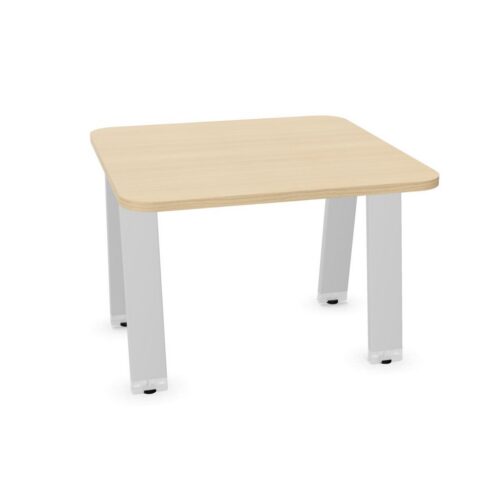
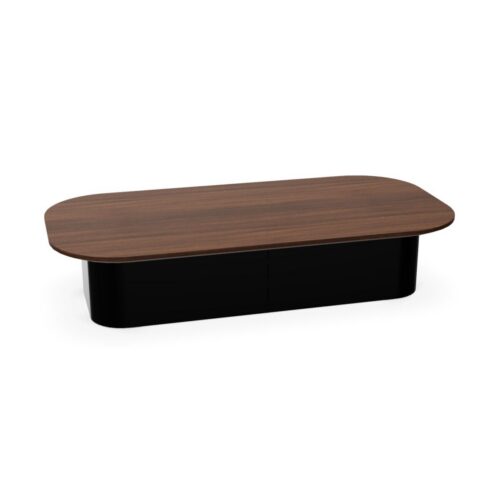
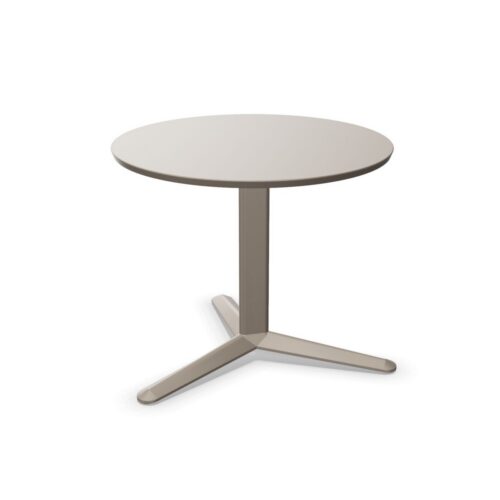
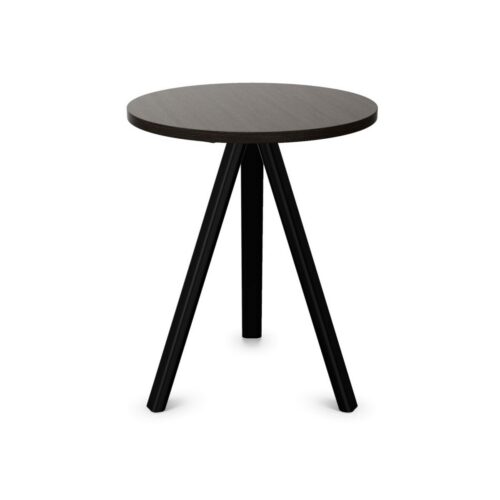
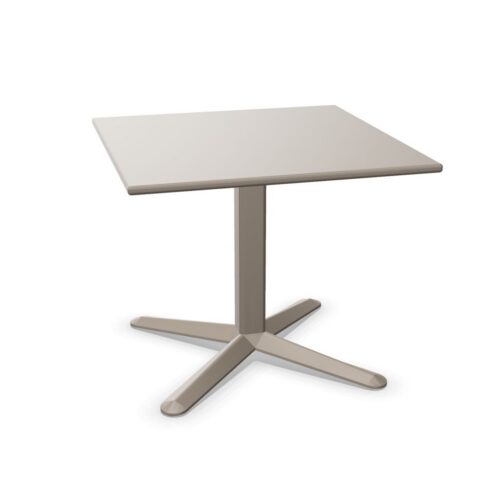
Lounge Furniture With Square Tops and Green Bases

Lounge furniture with square tops and green bases suits a planning approach built around clear alignment and considered color. The square top introduces equal sides and visible corners, while the green base adds a separate accent beneath it. In a workplace lounge, this combination can relate to seating bays, architectural lines or a repeated arrangement. The useful starting point is deciding which room element should establish the alignment, rather than positioning the furniture in isolation.

Consider the square outline from above and the green base from the positions where people will see it. A top aligned with a sofa may have a different relationship to a nearby passage or chair. Likewise, the base color may be prominent across an open approach but partly obscured within the group. Compare these views together to establish a coherent arrangement that accounts for seating positions, surrounding lines and the intended role of green.

2 models
From €19.09 p/m
€13.37 p/m
€6.38 p/m
2 models
From €124.26 p/m
7 models
From €17.65 p/m
10 models
From €6.52 p/m
7 models
From €5.17 p/m
9 models
From €7.11 p/m
2 models
From €8.28 p/m
4 models
From €7.79 p/m
2 models
From €12.81 p/m

Aligning lounge furniture with square tops and green bases

Choose a primary reference line before placing a square top. It might be the front of a sofa, the edge of a seating bay or the direction of the room itself. Aligning with every nearby element is rarely possible when those elements differ, so establish a hierarchy. The strongest relationship should support how the lounge is used and approached. Once that is clear, review the corners relative to seats and walking routes. A neat arrangement on a plan can still feel visually awkward from the doorway. Check both perspectives and make small positional adjustments without losing the organizing line that gives the composition its sense of order.

Use green to connect separate seating bays

In a room with distinct seating areas, lounge furniture with square tops and green bases can establish a recurring color relationship. Decide what that repetition is meant to communicate. It could visually connect neighboring bays or distinguish lounge settings from other parts of a workplace. Keep the relationship readable by considering the visibility of each base. A green accent hidden behind seating will contribute differently from one seen across an open approach. There is no need to repeat green on every surrounding element. A limited, deliberate connection may give the color a clearer role. Assess the complete view before deciding whether further repetition adds anything useful to the room.

Check the corners against occupied positions

The square outline should be evaluated with people seated, entering and leaving the arrangement. Look at where each corner falls relative to the fronts of chairs and the natural approach to the group. If the seating faces inward from several directions, compare the relationship from each position individually. Do not assume equal sides create equal access. The angles and placement of the seats still matter. Where the square top sits beside a sofa, consider whether its orientation follows the sofa or a nearby chair. Resolve that decision deliberately, then confirm that movement around the setting remains clear. This turns a visual alignment into a considered spatial arrangement.

Keep repetition purposeful across the room

Repeated lounge furniture with square tops and green bases needs an organizing principle beyond simply facing everything in the same direction. Consider whether neighboring groups should align with one shared room axis or respond to their own seating. A common axis can create continuity across an open lounge; individual alignment may suit separated bays. Compare these approaches using the actual room boundaries and entrances. Watch for square tops that appear almost aligned but have no clear reason to differ. Small accidental variations can weaken the intended pattern. Review the green bases at the same time, ensuring their visible positions support the rhythm established by the tops and the surrounding seating.

Frequently asked questions

Should a square top follow the sofa or the room?

Choose the relationship that best explains the arrangement. Use the sofa as the reference for a distinct seating bay, or the room axis when several groups share one composition.

Can green remain the only strong color accent?

Yes. Assess the visible base against the surrounding palette before repeating the color. Its role depends on the whole room, including the floor and nearby seating.

What makes a useful comparison between square arrangements?

Compare lounge furniture with square tops and green bases using the same seating plan. Review alignment, corner positions, approach routes and how consistently the green accent appears.

Explore related selections