

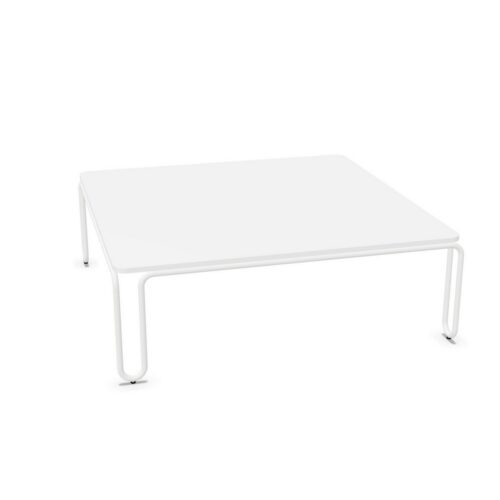
Lounge Furniture With Rectangular Tops and Green Bases

Lounge furniture with rectangular tops and green bases combines a tabletop with clear parallel lines and a colored base beneath it. For workplace lounges, the pairing invites a structured approach to planning: establish the table’s alignment, review its corners beside the seating and decide how green should relate to the surrounding room. The rectangle gives a direct geometric reference, while the base color can connect the group to a wider palette or identify it as a separate area.

Compare lounge furniture with rectangular tops and green bases through the intended room arrangement rather than through shape and color in isolation. A table that follows the main seating line still needs to be checked against entrances and nearby routes. Likewise, green should be assessed in its actual setting, including the background behind the base. These checks help create a consistent design approach while allowing different lounge areas to respond to their individual positions.

€19.45 p/m
3 models
From €18.78 p/m
5 models
From €45.63 p/m
2 models
From €1.68 p/m
2 models
From €124.26 p/m
2 models
From €121.00 p/m
7 models
From €17.65 p/m
12 models
From €12.07 p/m
2 models
From €11.99 p/m
€8.92 p/m

Organizing lounge furniture with rectangular tops and green bases

Begin with the relationship between the rectangular top and the main seating direction. Decide whether the table should follow that line or respond to another clear reference in the room. Then review the seats that face its ends, since they may relate differently to the surface from those alongside it. The aim is a considered group rather than alignment for its own sake. Check the room approach before fixing the position, and note where the corners meet circulation. This establishes the geometry of the lounge before the green base becomes part of the wider color composition.

Compare repeated settings through the same questions

When assessing lounge furniture with rectangular tops and green bases across a workplace, use a consistent method rather than assuming that identical placement suits every area. Ask which seating line guides the top, where the corners sit and how people enter the group. Then consider how much of the green base is visible. A lounge beside reception may present a different main view from a group near meeting rooms. Allow the arrangement to reflect those conditions while retaining the selected rectangular geometry and green base color as common visual references across the plan.

Define the role of green before extending it

Green can remain a detail within the seating group or connect the lounge to other visible workplace elements. Choose that role before repeating it elsewhere. Assess the actual color beside the surrounding floor and seating, then review any intended match under the relevant lighting. Where the base is largely concealed from the main approach, its contribution to the wider room may be different from the contribution seen while seated. Consider both views. Treat green as a color attribute only; it does not establish the material, environmental characteristics or performance of the furniture.

Resolve corner placement at the room boundary

Lounge furniture with rectangular tops and green bases needs particular attention where the seating group meets a main route. Examine each exposed corner in relation to people approaching seats, standing up or continuing past the lounge. Review these movements together with the seating occupied. The visible boundary of the group should be understandable from outside, while the table should retain a clear relationship to the seats within it. If the arrangement feels unresolved, revisit the alignment and seating positions together. Color can reinforce a coherent group, but it should follow a layout that already makes sense.

Questions about rectangular tops and green bases

Can the same alignment be used throughout a workplace?

It may suit some areas, but each lounge should be reviewed against its own seats and routes. Use a shared planning method to establish consistency, then allow the table orientation to respond to the actual room conditions.

What should guide the relationship between green and other colors?

Start with the intended role of the base: a local accent or a connection to another area. Compare actual colors under the room lighting and against their immediate backgrounds. Extend green only where the relationship supports the overall scheme.

Which checks should come before color coordination?

For lounge furniture with rectangular tops and green bases, establish alignment, review end seating and examine exposed corners beside circulation. Once those spatial relationships are clear, assess how the visible green supports the group and connects with the wider workplace.

Explore related selections