


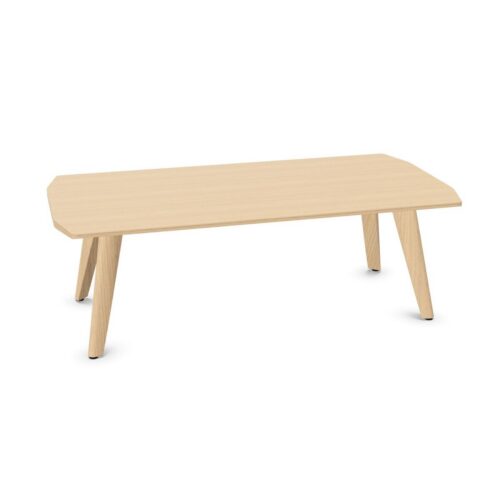

Positioning lounge furniture with rounded both sides tops and blue surfaces
Begin by placing the actual top outline within a complete seating plan. Identify the rounded sides and their relationship with the seats expected to use the table. Assess the remaining perimeter as well, since the named shape describes a particular feature rather than resolving every question about how the surface should face the room.
Compare more than one orientation while keeping the seating arrangement visible. A change in position may improve the relationship with one seat while affecting access from another. Establish the priority use of the table first, then judge each arrangement against that use and the route people take through the lounge.
Connect the blue color to a planning purpose
When evaluating lounge furniture with rounded both sides tops and blue surfaces, decide what the blue should identify. It might give a shared seating group a clear reference point or link the table to colors already present nearby. Either approach benefits from a stated purpose before other decorative decisions are made.
Compare the surface with the broad color areas around it rather than focusing only on small matching details. Review the appearance beside seating, walls, and flooring under the intended lighting. Include the view from adjoining spaces, where the blue may be seen differently and the rounded outline may be less immediately apparent.
