

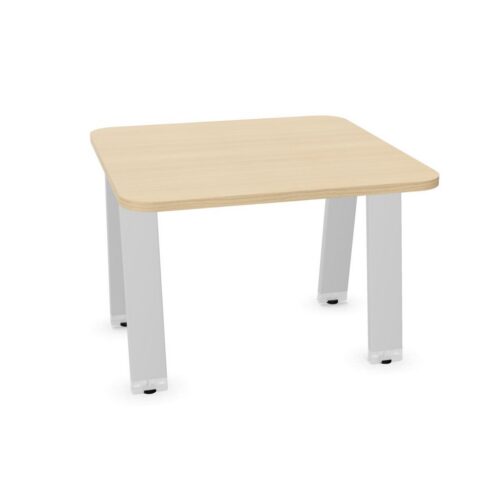

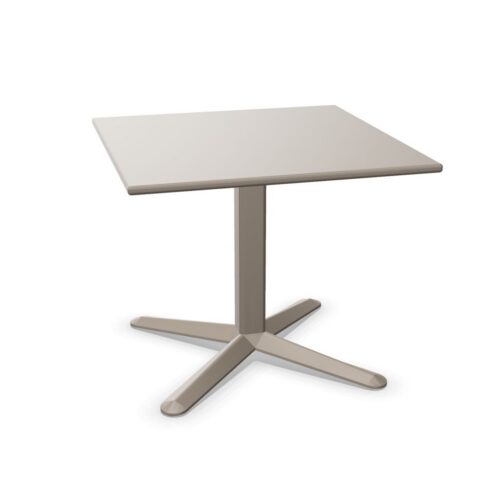
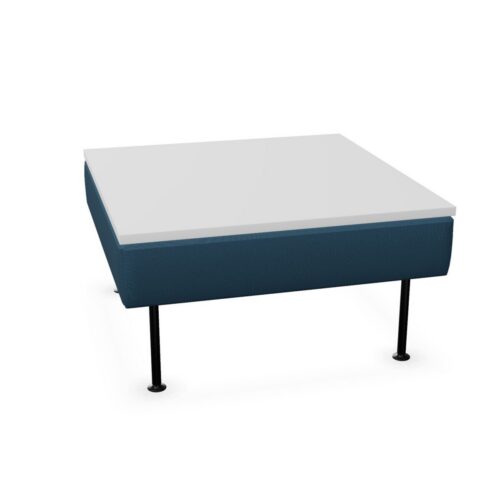
Lounge Furniture With Square Tops and Grey Bases

lounge furniture with square tops and grey bases brings equal tabletop sides into a lounge arrangement with a grey color reference below. The square shape is useful to assess where seating positions meet around a shared surface or where the room follows a clear arrangement of repeated lines. Start with the seats and their intended relationship, then decide whether the table should echo those lines or introduce a different orientation.

The grey base can connect the table with surrounding grey details, but that connection should be considered separately from the top’s color. A square outline also makes its corners part of the placement decision. Review them against the routes into and around the group. Equal sides do not establish equal access from every seat; the arrangement, occupied positions and base outline all need to be considered together before the final location is chosen.

€6.38 p/m
2 models
From €16.83 p/m
2 models
From €7.59 p/m
2 models
From €27.04 p/m
3 models
From €9.37 p/m
2 models
From €124.26 p/m
7 models
From €17.65 p/m
10 models
From €6.52 p/m
7 models
From €5.17 p/m
9 models
From €7.11 p/m
3 models
From €3.34 p/m
2 models
From €8.28 p/m
€17.08 p/m

Arranging lounge furniture with square tops and grey bases

Begin by deciding whether the table belongs to a setting organized around equal relationships or one with a clear main seating line. A square top can appear balanced in either situation, but its position should reflect the intended users. Place the actual outline between the seats and review the relationship from each occupied position. Do not assume that equal sides make every seat equivalent. A seat facing an edge has a different relationship to the top from one facing a corner. Compare both conditions where they occur, then use the result to establish the table's place within the group.

Choose an intentional relationship between edges

When evaluating lounge furniture with square tops and grey bases, compare edges aligned with the seating against an orientation that turns the square within the arrangement. Either may have a role, but the decision changes how corners meet the surrounding space. Look at the room approach and the route beside the group before favoring a particular composition. Avoid rotating the top solely to create visual interest. The orientation should also make sense for the seats it serves. Include adjacent furniture in the comparison so a neat local arrangement does not create an unresolved relationship with the next lounge setting.

Use grey as a consistent reference

For lounge furniture with square tops and grey bases, establish whether grey is intended as a repeated detail or a separate accent. If the room already contains grey elements, compare their actual appearance rather than relying on the shared color name. Look at the base against the floor and against the seating behind it. Those backgrounds can make the same element read differently within the composition. Keep the tabletop color independent in this review. Neither a square top nor a grey base establishes the material, finish or color of the other parts of the table being considered for the lounge.

Plan repeated groups without forcing a grid

Use lounge furniture with square tops and grey bases to connect several seating areas through a common shape and color relationship. Each group can still respond to its own position within the room. Begin with entrances and walking routes, then place the groups around those requirements. A rigid arrangement of repeated squares may look orderly from above while giving too little attention to how people approach the seats. Compare the room at group level and as a whole. Record which edges align, where alignments change and why, so the repetition supports a clear interior composition instead of becoming an end in itself.

Frequently asked questions

Do equal sides make all seating positions equivalent?

No. The location and direction of each seat still matter. Compare seats facing an edge with those facing a corner, and assess where each person would naturally use the tabletop during the activities planned for that setting.

Can a square top sit at an angle?

It can be considered that way, but check the resulting corner positions and nearby routes. An angled orientation should have a clear relationship to the seating rather than serving only as a decorative change in direction.

What should remain consistent between repeated seating groups?

With lounge furniture with square tops and grey bases, the shared shape and base color provide a starting connection. Apply consistent reasoning to seating relationships and circulation while allowing each group's position to respond to the room.

Explore related selections