

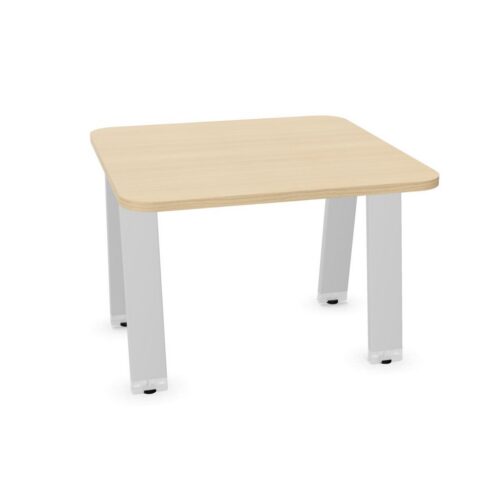
Lounge Furniture With Square Tops and Beige Surfaces

lounge furniture with square tops and beige surfaces provides a clear geometric reference for a lounge arranged around defined seating positions. The square outline can be assessed against straight seating lines, neighboring surfaces, and the room’s main axes. Beige introduces a neutral color decision that should be resolved alongside those relationships. This combination is particularly relevant when the design brief calls for an ordered arrangement with a shared tabletop whose position is easy to explain in the room plan.

Start by choosing whether the square follows the seating or turns in relation to it. Those orientations place the edges and corners differently, even when the table remains in the same part of the room. Compare both with the occupied seating group. Then assess the beige surface against adjacent colors, making a deliberate choice between close coordination and a more distinct tabletop within the lounge.

€6.38 p/m
2 models
From €41.76 p/m
2 models
From €16.83 p/m
2 models
From €7.59 p/m
2 models
From €27.04 p/m
3 models
From €9.37 p/m
€3.94 p/m
2 models
From €124.26 p/m
2 models
From €5.62 p/m
7 models
From €5.17 p/m
3 models
From €11.85 p/m

Orienting Lounge Furniture With Square Tops and Beige Surfaces

A square top offers different placement possibilities depending on how it is turned within the seating group. With its edges following the seats, the arrangement may share a clear set of lines. Turning the square changes which corners face the seats and approach routes. Assess both arrangements using the same seating positions so the comparison remains useful. Choose the orientation that best relates the surface to its intended users, then review its relationship to walls and nearby furniture. Visual alignment should support the lounge arrangement rather than determine it alone.

Check Corners at Points of Movement

Mark where people enter the group, turn toward a seat, and stand to leave. Review the square's corners against those points, including routes used when other seats are occupied. An orderly drawing can conceal awkward relationships if movement has not been considered. Where the lounge sits near another work setting, distinguish the route through the room from the route into the seating group. Keep both visible during review so a change made for the tabletop does not create a new problem in the surrounding arrangement.

Use Beige Within an Agreed Palette

For lounge furniture with square tops and beige surfaces, consider how the tabletop color relates to the room's existing areas of color. A repeated beige reference can connect separate elements visually, while a different tone may create a more noticeable distinction. Decide which outcome the brief requires. Compare the surface appearance alongside the relevant upholstery, walls, and floor under the planned lighting. The square outline and beige color establish the visible combination, but they do not establish the material, the surface treatment, or any maintenance requirements.

Coordinate Multiple Seating Relationships

Assess every side that people are expected to use. A square table placed between facing seats has a different role from one beside a single seating line, even if the color scheme is identical. Identify whether the surface is shared across the whole group or mainly serves particular positions. Record that purpose in the room brief, together with the chosen orientation and beige reference. When comparing alternatives, keep the seating arrangement consistent and note which additional product details remain unconfirmed. This separates the known shape and color from assumptions about the complete furniture piece.

Questions About Square Beige Lounge Tops

Should a square top be turned diagonally?

Test that orientation against the actual seating and approach routes. Turning the top changes the position of its corners and edges. It should be a response to the arrangement rather than a purely decorative adjustment.

How can beige coordinate with several seating colors?

Review all relevant colors together and decide what role the tabletop should play. A beige surface does not need to match every seat, but its relationship to the full palette should be intentional and consistent with the brief.

What is the first planning decision?

With lounge furniture with square tops and beige surfaces, establish which seating positions the table serves. That decision provides a basis for choosing its orientation, checking the corners, and assessing the beige tone within the surrounding interior.

Explore related selections