

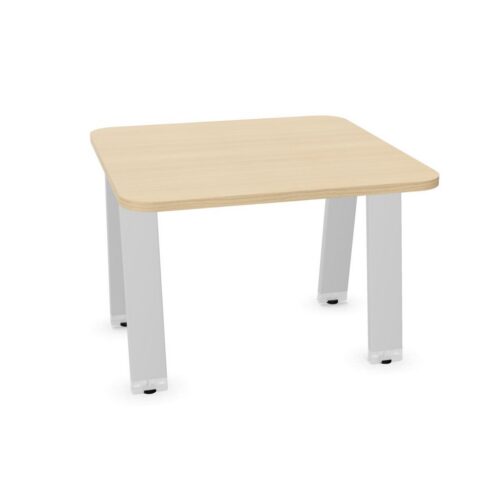
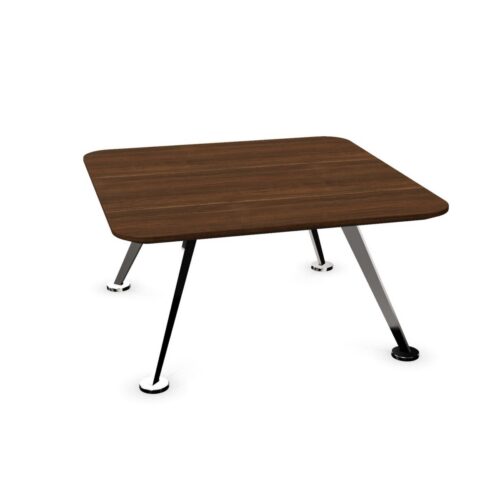
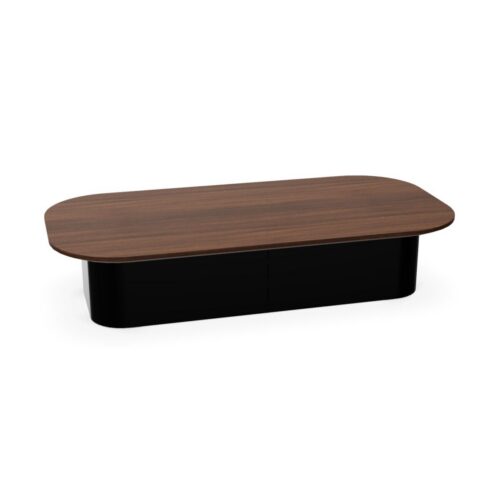
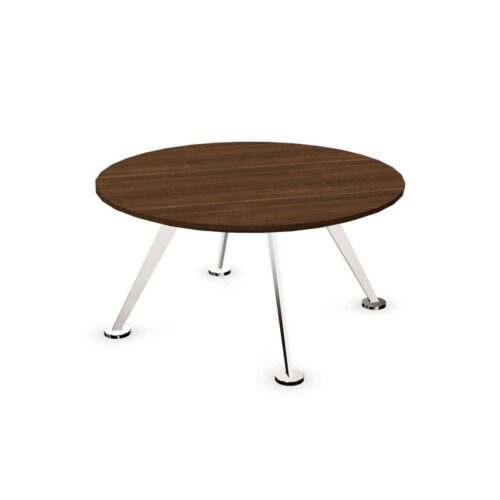
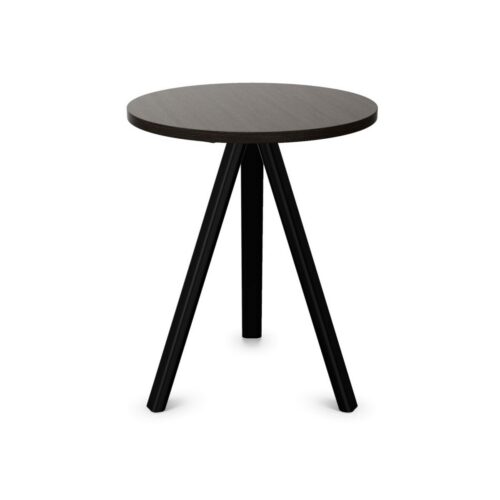
Lounge Furniture With Square Tops and Brown Surfaces

lounge furniture with square tops and brown surfaces gives planners equal tabletop sides to relate to a seating arrangement. That geometry can suit a composition organized around perpendicular lines, but the table’s position still needs to follow the people using it. Brown brings an additional decision about visual continuity or contrast with the surrounding room palette.

When assessing lounge furniture with square tops and brown surfaces, compare aligned and rotated positions before deciding how the outline belongs within the group. Rotation changes where the corners sit in relation to seats and circulation, even though the tabletop remains the same. Review the actual brown shade from the main approaches and seated viewpoints. The aim is a coherent relationship between geometry, access, and color, whether the table serves a defined conversation group or sits within a larger lounge arrangement that includes several distinct areas.

2 models
From €19.09 p/m
2 models
From €36.94 p/m
9 models
From €14.47 p/m
€13.37 p/m
4 models
From €23.04 p/m
€6.38 p/m
2 models
From €16.83 p/m
2 models
From €7.59 p/m
2 models
From €124.26 p/m
2 models
From €7.63 p/m
7 models
From €17.65 p/m
2 models
From €5.62 p/m
€22.10 p/m
7 models
From €5.17 p/m
€19.82 p/m
€7.13 p/m
3 models
From €3.34 p/m

Aligning Lounge Furniture With Square Tops and Brown Surfaces

Use the main seating directions to establish an initial position. A square top has equal sides, but that does not mean every orientation creates the same relationship with the room. Align its edges with nearby seating and review how the arrangement reads from the entrance. Then consider whether the seats actually face the surface in a useful way. A symmetrical plan can conceal differences between occupied positions, particularly when the surrounding seating is uneven. Check each position separately before deciding that the square outline provides the balance the group needs. Let use confirm the visual arrangement.

Understand What Rotation Changes

Turning a square top changes the position of its corners relative to the surrounding furniture. This can alter both the view of the table and the route around it, so compare the complete outline in each proposed orientation. Pay attention to the corner nearest an entry into the group and the corner closest to a through route. Do not treat rotation as a purely decorative adjustment. Walk through arrival, sitting, and departure for each proposal. The useful orientation is the one that resolves these relationships together, rather than the one that looks most distinctive in an empty room.

Maintain Color Consistency Across Separate Groups

If the lounge contains distinct seating groups, assess the brown surface in relation to the whole room as well as its immediate neighbors. A color that relates well to one area may appear different against another background. Compare the actual shade with the surrounding palette from the main routes between groups. With lounge furniture with square tops and brown surfaces, repeated geometry can already establish a visual relationship, so consider what additional role the color should play. It might connect areas closely or allow each arrangement to retain a more separate identity within the same overall composition.

Check the Surface From Each Seat

Work through the intended use of the table from every occupied position. A square surface may sit centrally between seats while still favoring some positions over others. Consider where everyday items would be placed and whether people would share the same part of the tabletop. Review the relationship of the nearest edge and corners to each seat, then look at how someone would leave without disturbing the group. Keep the room palette in view during this exercise. A layout adjustment can change the background behind the brown surface and therefore its visual relationship with the rest of the lounge.

Frequently Asked Questions

Is an aligned position always preferable?

No. Compare aligned and rotated arrangements against seated use and circulation. Equal tabletop sides do not make those arrangements interchangeable within a particular room.

What should be checked before rotating the table?

Review where every corner will sit, especially beside entry points and routes past the group. Assess the complete occupied layout rather than only the changed tabletop angle.

Can square tops connect separate lounge areas visually?

Repeated shape can contribute to a relationship between areas. Compare the actual brown surfaces and surrounding palettes as well, so the connection remains intentional across different backgrounds.

Explore related selections