

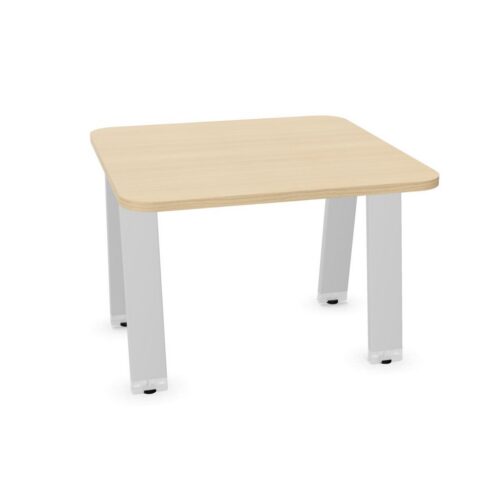
Lounge Furniture With Square Tops and Black Surfaces

lounge furniture with square tops and black surfaces pairs a regular tabletop outline with a dark color that can give a seating group a clear visual focus. The square offers equal sides and defined corners, while black determines how strongly that geometry relates to the surrounding palette. Consider the combination through the balance of the complete lounge arrangement rather than through the tabletop alone.

Start by deciding whether the top should reinforce the main seating direction or introduce a deliberate change of orientation. A square aligned with a sofa presents a different relationship from the same outline turned diagonally. The black surface makes this choice worth reviewing from the entrance, the seats, and the main passing route. Assess where the corners fall, who will use each edge, and how everyday objects affect the composition. These practical relationships help establish whether the dark square belongs at the center of the group or in a more individual position.

18 models
From €27.49 p/m
6 models
From €28.06 p/m
2 models
From €19.09 p/m
€13.37 p/m
€6.38 p/m
2 models
From €19.27 p/m
2 models
From €41.76 p/m
2 models
From €16.83 p/m
2 models
From €7.59 p/m
2 models
From €27.04 p/m
3 models
From €9.37 p/m
12 models
From €9.73 p/m
6 models
From €9.94 p/m

Balancing lounge furniture with square tops and black surfaces

A square top has equal sides, yet its relationship to a room changes with orientation. Edges aligned with seating reinforce one set of lines; a diagonal position introduces another. Decide what the arrangement needs before choosing between them, and assess the actual tabletop outline alongside the surrounding seats and routes.

Black adds visual emphasis that can make placement especially noticeable against pale surroundings. Consider whether the table should be a central reference or a supporting element beside particular seats. That decision should guide its position, rather than allowing the apparent symmetry of the square to determine the entire seating group.

Compare straight and diagonal positions

With lounge furniture with square tops and black surfaces, compare orientations using the same seating arrangement first. This makes the effect of turning the top easier to judge. Look at the relationship between the edges and seats, then examine where each corner falls in relation to an approach or passing route.

A diagonal position should have a practical or compositional reason. It changes the gaps around the table and may bring a corner toward a seat or walkway. Assess those consequences directly rather than assuming that rotation creates a more informal arrangement or a better use of the available floor area.

Set the hierarchy within the lounge group

A black square can form a distinct visual anchor, especially when the seating and floor are lighter. Review whether that concentration of dark color supports the room's intended character. In an arrangement with varied seat colors, consider which relationships the tabletop connects and whether it introduces an additional competing focus.

Assess the top with surrounding colors in place and under the intended lighting. Its actual surface appearance needs separate confirmation; black does not establish sheen or texture. Review the group from several standing positions as well as from the seats, since a strong entrance composition may appear different once occupied.

Assign edges to real patterns of use

Plan lounge furniture with square tops and black surfaces around the seats that need access. Equal edges do not mean the top must serve every direction. It may belong mainly to a sofa, to adjacent chairs, or to a shared group, depending on the intended activity and the actual placement.

Identify where permanent accessories and temporary belongings would sit. Check that these placements support the intended users rather than giving one edge a role that conflicts with another. A realistic occupied arrangement is a better basis for assessment than an empty square centered precisely between seats without regard to how people use it.

Frequently asked questions

When is diagonal placement worth comparing?

Compare it when a change of orientation has a clear purpose within the seating composition. Check every corner against nearby seats and routes, then review the surface access from the intended positions. A diagonal arrangement should be justified by those relationships, not by visual difference alone.

Can a black square top sit away from the center?

Yes. An offset position may be appropriate when the surface mainly serves particular seats. Assess their access and review how the dark square balances the wider group. The equal-sided outline does not require central placement or a seating arrangement that is symmetrical on every side.

What should decide between two otherwise similar arrangements?

Compare lounge furniture with square tops and black surfaces through actual use: approach routes, corner positions, available edges, and realistic objects on the top. Then review the visual emphasis of black within the room. Choose the arrangement in which those relationships support the intended role of the seating group.

Explore related selections