

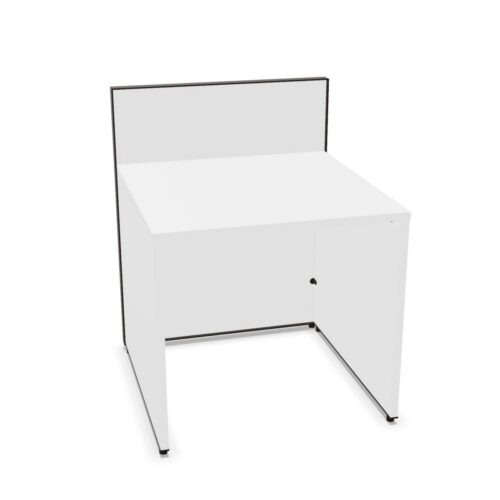
Lounge Furniture With Straight Blade Tops and White Bases

Lounge furniture with straight blade tops and white bases offers a specific starting point for a lounge arrangement organized around clear lines. The top is identified by the Straight Blade shape term, while the supporting element is white. Assess the actual tabletop outline before deciding how its edges should relate to a sofa front, a room boundary, or a nearby route. The combination is most usefully considered through those relationships rather than through the shape name alone.

For lounge furniture with straight blade tops and white bases, alignment and visibility deserve equal attention. A tabletop can appear well positioned relative to the seating while its base creates a different relationship with the floor. Review the complete piece from standing and seated viewpoints. Decide whether white should connect with nearby pale elements or remain visibly distinct against a darker background, then check that the proposed position suits the way people enter the lounge group.

3 models
From €18.78 p/m
10 models
From €6.68 p/m
12 models
From €6.72 p/m
3 models
From €2.58 p/m
2 models
From €12.89 p/m
8 models
From €3.44 p/m
3 models
From €18.57 p/m
12 models
From €5.54 p/m
22 models
From €0.86 p/m

Aligning lounge furniture with straight blade tops and white bases

Start by reviewing the actual perimeter associated with the Straight Blade description. Establish the edge that will act as the main reference in the room, then compare it with the front of the adjacent seating. A deliberate relationship between those lines can make the arrangement easier to read visually. The chosen reference does not have to be a wall; it may be the seating group itself. Check how the remaining perimeter sits once that main edge is aligned. This prevents a decision based on one attractive view from overlooking the approaches or adjacent seats on the other sides of the table.

Decide what white should relate to

A white base can relate visually to pale surroundings or contrast with a darker floor and seating composition. Establish which role is intended before comparing the whole arrangement. White elements need not look identical under the same room conditions, so assess their visible relationship rather than relying on a shared color name. With lounge furniture with straight blade tops and white bases, also check how much of the supporting element remains exposed beneath the top. A largely concealed base contributes differently from a prominent one. The room's entrance view and the view from adjacent seats may reveal different amounts of the same supporting outline.

Review the junction between table and route

Where a table follows the line of a sofa, the nearby walkway can become a competing reference. Review the space people use to approach the seats, particularly at the end of the seating group. The tabletop's actual edge and corner positions should be assessed together with the base footprint. Do not assume that a straight visual alignment automatically creates an appropriate route. Trace the movement from the room entrance to the intended seat and back again. If the table appears to extend into that movement, reconsider its position within the group before changing the wider room arrangement. Keep the assessment tied to the complete design.

Compare the composition at seated level

A plan view helps establish alignment, but it cannot show the complete relationship between the white base and surrounding seating. Review the table from the positions people will occupy. Consider whether the top appears visually centered on the seating group and whether the base becomes a prominent feature beneath it. These observations can help distinguish alternatives that seem similar from above. For a useful comparison, keep the same room references and seating positions throughout. Record the main alignment, the intended approach, and the desired relationship between the white base and its background. Those decisions provide a clear rationale for the final placement.

Frequently Asked Questions

Does Straight Blade define every tabletop detail?

Use the selected shape name alongside a clear view of the actual perimeter. Edge treatment, construction, and other details should not be assumed from the name alone.

Should the white base match nearby white elements?

Exact matching is not necessary for a coherent composition. Compare their appearance in the intended room and decide whether a close relationship or a visible distinction better suits the layout.

Which view is most useful for checking alignment?

For lounge furniture with straight blade tops and white bases, combine a plan view with the main approach and seated views. Each reveals a different relationship between the edge, base, and surrounding seats.

Explore related selections