


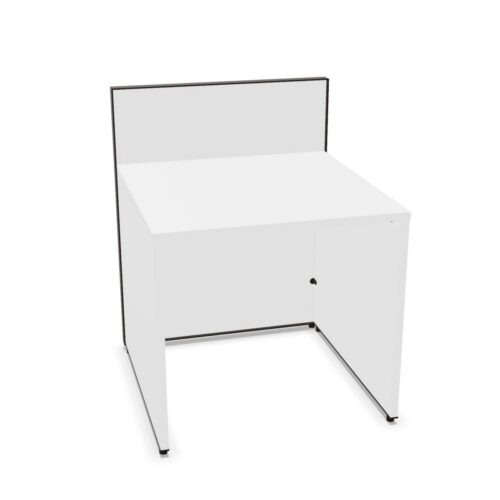


Aligning lounge furniture with straight blade tops and grey surfaces
Choose a reference line before positioning the table. It may be the front of a sofa, the direction of a nearby wall, or the boundary of the lounge itself. Using one clear reference helps explain the proposed arrangement and makes alternative positions easier to compare with colleagues.
Check the actual top profile rather than interpreting the straight blade name as a complete geometric description. Look at how its perimeter relates to the reference line and to each seat. A deliberate alignment should be visible in the overall composition without forcing neighboring furniture into an awkward relationship.
Read gray beside the surrounding colors
For lounge furniture with straight blade tops and grey surfaces, compare the gray directly with adjacent colors. A surface that appears distinct against one background may appear less defined against another. Review it with the intended seating and floor so that the color decision reflects the actual setting.
Decide whether the surface should blend into the composition or remain visually separate. This is especially useful when several gray elements are planned for the same area. Similar color names do not establish a visual match, so judge their relationship together instead of relying on the name alone.
Build a useful comparison brief
Evaluate lounge furniture with straight blade tops and grey surfaces against a short set of room priorities. Specify the intended reference line, the seats associated with the table, and the desired relationship between the gray surface and nearby colors. These criteria turn a broad visual preference into a practical discussion.
Include a view along the seating line and another across it. The first reveals alignment; the second reveals how the table occupies the group. Record where the actual outline needs closer examination. Keeping those observations separate helps prevent a favorable color impression from obscuring a less suitable spatial relationship.
