

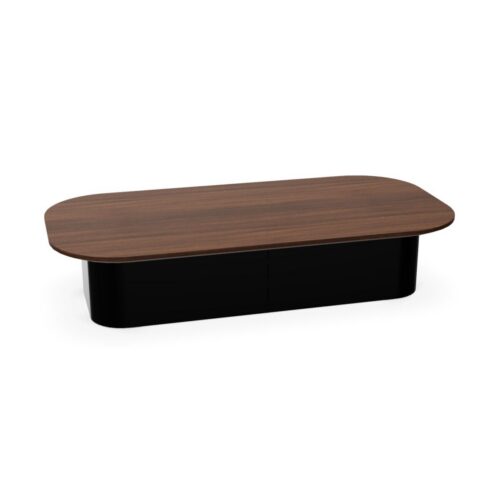
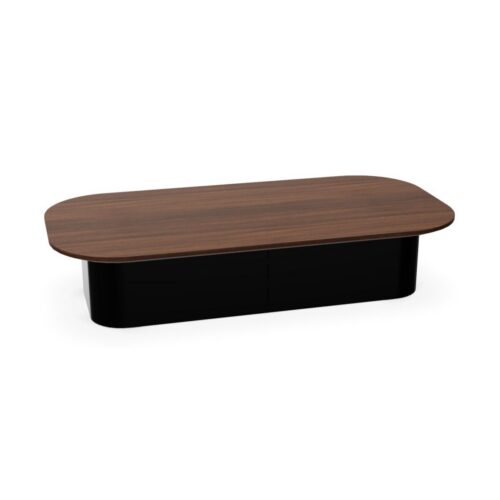
Lounge Furniture With Oval Tops and Grey Surfaces

lounge furniture with oval tops and grey surfaces suits a planning discussion centered on an elongated outline and its relationship with seating. The oval introduces a clear directional element without the corners of a rectangular top. Its gray surface should be assessed against the surrounding palette, especially where several similar tones meet. Together, shape and color provide specific criteria for comparing how a table belongs within a workplace lounge.

Start with the seating group when assessing lounge furniture with oval tops and grey surfaces. Identify whether the oval should follow a sofa, sit between opposing seats, or take another orientation within the room. Then consider the views toward its ends and along its sides. Reviewing the outline before the color helps distinguish a suitable arrangement from a surface color that simply looks appealing in isolation.

2 models
From €38.54 p/m
2 models
From €12.40 p/m
3 models
From €99.55 p/m
€26.55 p/m
€13.92 p/m
7 models
From €17.65 p/m
3 models
From €3.34 p/m
7 models
From €60.20 p/m
2 models
From €12.81 p/m
7 models
From €6.40 p/m
7 models
From €4.84 p/m
7 models
From €38.23 p/m

Orienting lounge furniture with oval tops and grey surfaces

The oval's longer direction is a useful starting point for the layout. Compare it with the direction established by the seating and the room. Following the sofa may produce a clear relationship, while another orientation may better suit a group with several approach points. Test the actual arrangement rather than applying a fixed rule.

Review what happens at both ends of the top. These areas may face seats, open floor, or the entrance to the group. Keep those relationships explicit in the plan. The absence of corners does not remove the need to consider how the complete perimeter occupies the lounge.

Balance the relationship with each seat

When comparing lounge furniture with oval tops and grey surfaces, consider the intended users around the whole table. Seats facing the longer sides have a different spatial relationship from those facing the ends. Identify which positions are intended to share the surface and assess each position individually.

A centered table is not automatically the best answer for every seating group. If the seats are arranged unevenly, review the relationship with the occupied positions rather than the room alone. Keep the table's orientation and its position separate during comparison so that each adjustment has a clear purpose.

Compare gray across the full composition

An oval surface may be seen from several directions within an open lounge. Review its color against the floor, adjacent seating, and the background visible from the entrance. This avoids making the gray decision from a single viewpoint that does not represent how the area will normally be encountered.

Where the scheme already includes gray, decide whether close coordination is important or whether a visible tonal difference is acceptable. Compare the actual colors together. Keep the decision focused on their visual relationship and avoid assigning additional qualities to the surface on the basis of its color alone.

Review the complete perimeter

Assess lounge furniture with oval tops and grey surfaces with both the seating arrangement and surrounding routes visible. Follow the perimeter around the table on the plan. Note where people approach the group, where they turn toward seats, and where they continue beyond the lounge into adjoining areas.

Complete the review with a view from the main arrival direction. Check whether the oval's orientation is understandable within the composition and whether the gray surface has the intended degree of emphasis. Record the reason for the chosen position in terms of seating relationships, movement, and color coordination.

FAQ

Should an oval top run parallel to the sofa?

That is one useful arrangement, but it should be compared with the complete seating group. Consider the seats at the ends, the direction of approach, and the surrounding open floor before deciding which orientation gives the clearest relationship.

Can an oval top be centered between different seating arrangements?

Assess the intended seat positions individually. A visually centered position may not relate equally to every seat when the arrangement is uneven. Compare the table's position with the people expected to use it, as well as with the room.

What distinguishes this combination during comparison?

With lounge furniture with oval tops and grey surfaces, the oval establishes the directional outline while gray establishes the surface color. Compare those two attributes together within the proposed room, keeping the seating and surrounding colors consistent throughout the review.

Explore related selections