

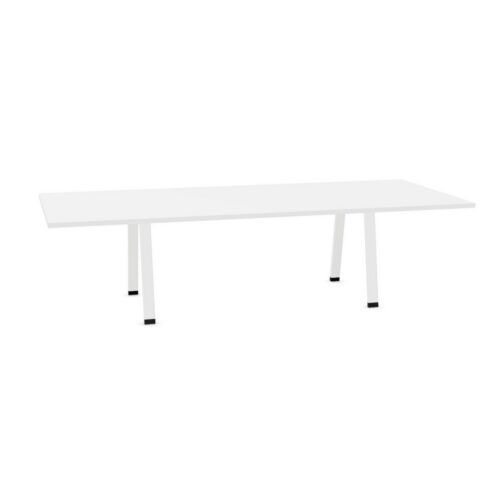
Beige Conference Tops at Fixed Height

Fixed-height conference tables with beige surfaces combine an unchanging working level with a light neutral tabletop color. The pairing suits consideration for a room organized around seated meetings, where chair compatibility comes first and color coordination shapes the overall setting. Beige can relate to other pale finishes or provide a quieter surface among more pronounced colors, depending on the room around it.

Review the proposed table alongside the chairs that people will use, checking whether the fixed working level supports a comfortable position for notes, documents, and discussion. Then compare the beige surface with walls, flooring, and upholstery under the room’s normal lighting. Similar light colors can differ visibly when placed together. The beige description does not establish material or finish, so keep those characteristics separate from the color decision while planning sightlines and routes around occupied seating.

11 models
From €21.26 p/m
9 models
From €22.04 p/m
3 models
From €20.05 p/m
2 models
From €28.04 p/m
€9.29 p/m
2 models
From €9.51 p/m
€11.34 p/m
2 models
From €19.95 p/m
2 models
From €10.48 p/m
4 models
From €7.81 p/m
2 models
From €8.94 p/m
4 models
From €9.16 p/m
7 models
From €41.00 p/m
3 models
From €35.88 p/m
5 models
From €41.00 p/m
9 models
From €96.74 p/m
6 models
From €41.00 p/m
8 models
From €54.73 p/m
4 models
From €51.25 p/m
3 models
From €41.00 p/m
6 models
From €51.25 p/m
8 models
From €41.00 p/m
2 models
From €30.93 p/m
3 models
From €12.30 p/m

Coordinating Fixed-Height Conference Tables With Beige Surfaces

Begin by comparing beige with the light finishes already in the meeting room. Pale walls, upholstery, and flooring may look compatible individually yet reveal different tones when seen together. Assess the tabletop in that context before aiming for a close match. You can also use a deliberate difference, allowing the beige surface to remain distinct from adjacent furniture. If stronger colors are present, consider how beige relates to them without expecting it to disappear visually. The useful decision is whether the surface helps organize the room's palette in a way that remains coherent from the doorway and from the seats.

Build Comfort Around the Fixed Working Level

The table's height does not change, so review the chairs as part of the same practical decision. Consider the position participants adopt when writing, reading shared material, or using a laptop. They should be able to sit naturally near the edge without armrests obstructing the approach, where armrests are present. Supported feet and an appropriate relationship to the working surface matter more than matching upholstery first. If the chairs offer seat adjustment, assess its use against the fixed tabletop. This is especially useful when an existing chair arrangement will remain and the room's table is the main element being reconsidered.

Check Definition in a Room With Pale Finishes

Fixed-height conference tables with beige surfaces can sit comfortably within a pale palette, but compare how the different furniture elements read together. Where the floor, chairs, and tabletop have closely related colors, a contrasting neighboring finish may help the meeting area feel more clearly defined. That contrast could come from seating or the wall behind it, depending on the existing room. Avoid assuming that beige establishes a particular texture or reflectivity. Review the actual surface under daylight and artificial lighting, and consider whether the overall arrangement remains comfortable for reading and conversation from the positions people will occupy during a meeting.

Arrange Access Before Completing the Palette

Work through the meeting routine with the table in its proposed position. Participants need clear approaches to their chairs, routes around occupied seats, and a useful view of any shared presentation. Consider whether accessing storage will interrupt the discussion or require people to move repeatedly. The fixed working level should fit the seated activities expected in that setting; other activities may need a separate workplace arrangement. Beige contributes to the appearance of the room, but it does not resolve circulation or viewing angles. Settling those practical relationships first gives the later color decisions a clear arrangement to work within.

Frequently Asked Questions

Should beige surfaces match pale walls exactly?

An exact match is optional. Compare the colors under the room's usual lighting and decide whether a close relationship or a deliberate difference works better. Similar names do not establish identical appearances when finishes are seen together.

How can the tabletop remain distinct from light flooring?

Assess the whole seating area rather than the surface alone. Contrasting chair colors or nearby wall finishes can help define the arrangement, while the actual relationship between the beige tabletop and flooring should guide the decision.

What is the practical priority for this combination?

With fixed-height conference tables with beige surfaces, prioritize a comfortable relationship between chairs and the unchanged working level. Then assess the beige color alongside existing finishes and review circulation and presentation views around the table.

Explore related selections