

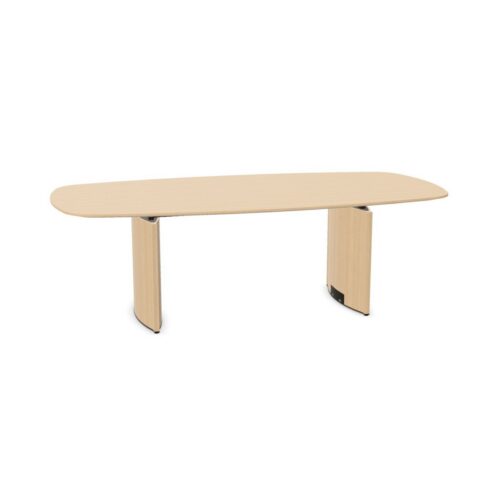
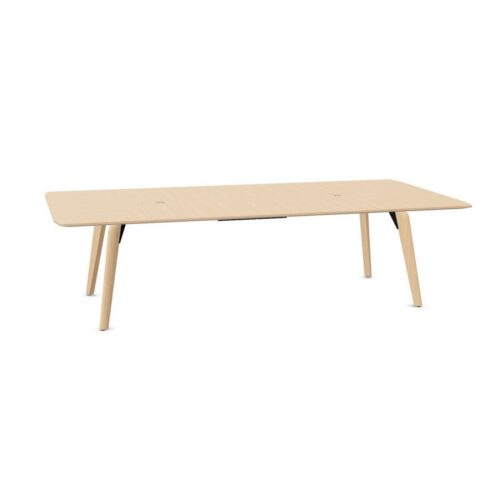
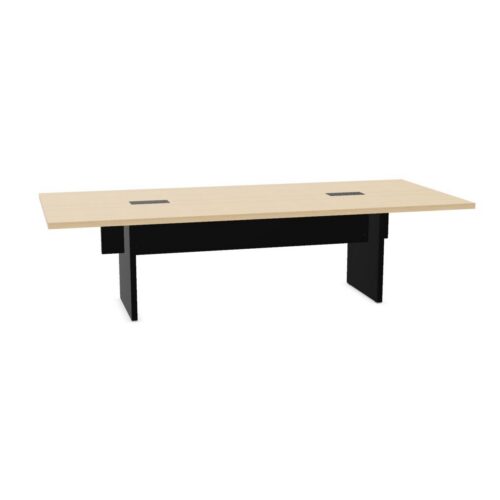
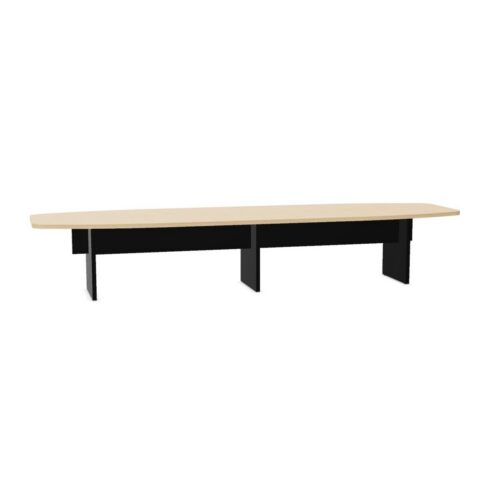
Brown Meeting Tops With Fixed Height

Fixed-height conference tables with brown surfaces combine a consistent working level with a brown tabletop color. This gives the meeting room a defined color reference without establishing a particular material or wood appearance. The practical starting point is the seating: participants need a comfortable relationship with a tabletop that remains at the same height throughout use, whether the discussion centers on documents, laptops, or face-to-face conversation.

Brown can connect with existing furnishings or become a separate element within the room’s palette. Compare the actual surface color with nearby seating, doors, and flooring rather than assuming that every brown finish will coordinate automatically. Assess the combination under everyday lighting and from seated viewpoints. Once the working position and color relationships are understood, arrange the room so people can reach their chairs, follow shared information, and move around occupied seats without repeatedly interrupting the meeting.

4 models
From €13.30 p/m
11 models
From €8.94 p/m
2 models
From €13.18 p/m
5 models
From €8.55 p/m
€119.06 p/m
2 models
From €17.92 p/m
24 models
From €57.27 p/m
3 models
From €25.22 p/m
11 models
From €15.25 p/m
2 models
From €58.07 p/m
2 models
From €19.07 p/m
4 models
From €23.04 p/m
5 models
From €16.03 p/m
9 models
From €14.80 p/m
8 models
From €12.16 p/m
8 models
From €30.83 p/m
7 models
From €21.96 p/m
30 models
From €16.42 p/m
6 models
From €11.54 p/m
5 models
From €17.16 p/m
3 models
From €7.87 p/m
5 models
From €25.05 p/m
2 models
From €22.65 p/m
2 models
From €44.55 p/m
2 models
From €105.43 p/m

Positioning Fixed-Height Conference Tables With Brown Surfaces

Consider the role the brown tabletop will play in the complete room. It may relate to existing furniture, or it may be the main brown element among painted walls and differently colored chairs. Compare the surface with nearby finishes directly, because brown includes visual variations that a broad color name cannot resolve. Avoid assuming a wood pattern or a particular material from the brown description. Instead, focus on the color relationship you can assess. Look at the room from the entrance and from the intended seats to see whether the tabletop connects the setting or needs more contrast around it.

Let Meeting Tasks Guide the Chair Assessment

The fixed working level should be reviewed through the tasks participants perform most often. Someone taking notes needs a natural approach to the surface, while document review and laptop use also depend on a comfortable seated relationship. Check the intended chairs with those activities in mind. Armrests should not prevent people from sitting appropriately near the edge, and feet should remain supported. Any seat adjustment should be considered in relation to the table as it stands. Upholstery that coordinates with brown can complete the visual arrangement, but color compatibility should follow the practical assessment of how the chairs and tabletop work together.

Decide Where Contrast Will Be Useful

Fixed-height conference tables with brown surfaces can be paired with either related colors or a contrasting palette. If the room already contains brown flooring and furniture, review whether the tabletop remains distinct within that setting. A different chair color or a lighter surrounding finish may help define the meeting area. In a room with few brown elements, the surface can provide a clear point of connection for the rest of the furniture arrangement. Judge the actual combination without assigning a mood or material to brown alone. What matters is how its tone relates to the elements participants will see during everyday use.

Connect the Table Position to Daily Circulation

Review the approach to each seating area with chairs in use. People should be able to enter and leave without forcing the whole meeting to pause, and access to shared resources should remain straightforward. Include the presentation view when deciding the table's orientation, particularly if participants alternate between discussion and looking toward a display. The unchanged working level means the setup should suit the seated routine from the outset. If another activity requires a different level, plan how the workplace will accommodate it. Surface color can influence visual coordination, while movement and sightlines need to be resolved through the arrangement itself.

Frequently Asked Questions

Does a brown tabletop necessarily have a wood appearance?

No. Brown identifies the selected surface color. It does not establish a wood pattern, material, or construction. Use the actual appearance when coordinating the room, and assess other tabletop characteristics separately.

Can brown chairs work with a brown table?

Yes, if their tones work together and the furniture remains visually distinct where needed. Compare both against the floor and walls rather than assessing the chair and table colors in isolation from the room.

What should be settled before coordinating accessories?

For fixed-height conference tables with brown surfaces, settle chair compatibility, the seated working position, and the table's orientation first. These decisions establish a usable meeting arrangement before smaller color details are added around the brown surface.

Explore related selections