

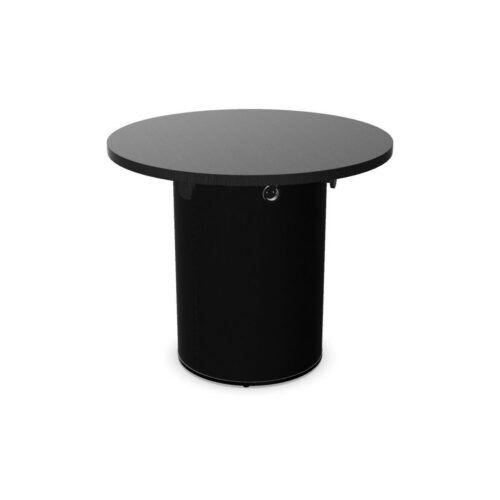
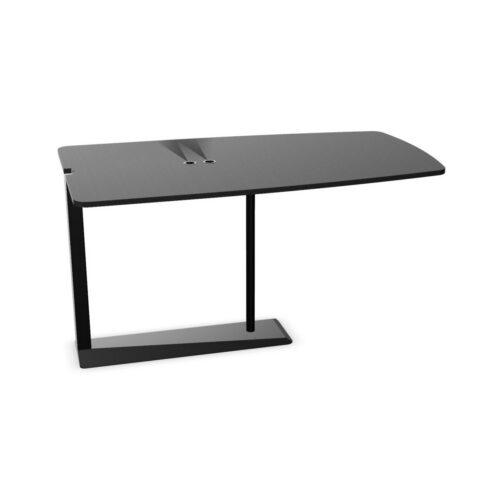
Black Conference Surfaces With Fixed Height

Fixed-height conference tables with black surfaces combine a dark tabletop with a working level that does not adjust. The result calls for careful coordination between seating and room appearance. Chairs must support a comfortable seated relationship with the table, while the black surface needs to be considered against the floor, walls, and other furniture. In a pale room, it can form a strong visual focus; among dark finishes, its outline may need closer attention.

Plan around the work participants actually do, including writing, reading, and looking toward shared information. A black color does not establish the surface finish or how it responds to light, so assess those qualities separately. Review the arrangement while seated and while moving through the room. This connects the visual decision to the practical needs of entering, joining a discussion, and leaving without disturbing people who remain at the table.

8 models
From €30.61 p/m
11 models
From €21.26 p/m
9 models
From €22.04 p/m
18 models
From €27.49 p/m
6 models
From €28.06 p/m
4 models
From €13.30 p/m
11 models
From €8.94 p/m
Price on request
Price on request
Price on request
Price on request
Price on request
Price on request
Price on request
Price on request

Defining Fixed-Height Conference Tables With Black Surfaces

Look first at the contrast between the tabletop and its immediate surroundings. A black surface against pale walls or a light floor can create a clear meeting focus. In a room with dark seating and flooring, consider whether the elements remain visually distinct. The aim is not maximum contrast everywhere, but a readable arrangement in which the table and chairs do not merge into one dark area. Compare the room from its usual approach and from the seated positions. These viewpoints help establish whether the black surface feels appropriately placed within the palette or whether nearby finishes need a different relationship.

Check the Seated Position Before Matching Finishes

The fixed tabletop level makes chair compatibility a central practical question. Review the position people adopt while writing or using a laptop, including how naturally they can approach the edge. Armrests may affect that approach, so include them in the assessment where relevant. Feet should remain supported, and any available seat adjustment should help establish a comfortable working position. Avoid letting a preference for black chairs settle the choice too early. Their appearance may coordinate with the surface, but the way they work with the fixed height is what determines whether the intended seated routine is suitable for the room.

Assess Light Without Assuming a Surface Finish

Fixed-height conference tables with black surfaces need the same careful lighting review as other meeting tables. Black does not mean matte, and it does not guarantee freedom from reflections. Examine the actual relationship between the surface, windows, artificial light, and seated viewpoints. If meetings involve a display, assess that view alongside the reading and writing conditions at the table. Participants should not have to choose between a useful view of shared information and a comfortable orientation for discussion. Review the room during its usual working hours, since a placement that appears suitable under one lighting condition may deserve another look later.

Balance a Dark Focal Point With Everyday Movement

A prominent black tabletop can help establish where the meeting takes place, but circulation must be planned independently of that visual effect. Trace the route from the doorway to the seats and onward to any presentation area or storage used during discussions. Assess those routes with people seated, since chairs change the way the room works when occupied. The fixed working level should suit the activities expected throughout the meeting. If other workplace routines call for a different level, account for them elsewhere in the plan. A consistent table setup works best when the surrounding room arrangement supports the same routine.

Frequently Asked Questions

Does black require light-colored chairs?

No. Dark chairs can form a coordinated palette, while lighter chairs can introduce contrast. Judge the combination against the floor and walls, and confirm that the seating remains visually distinct where that matters to the arrangement.

Can a black surface be assumed to be matte?

No. The color does not establish the finish. Assess reflectivity and other surface characteristics separately, using the lighting and seated viewpoints of the intended meeting room as the context for that review.

What should be prioritized in a dark meeting room?

When considering fixed-height conference tables with black surfaces, check chair fit and the visibility of the furniture arrangement. Then assess reading light, presentation sightlines, and routes around occupied chairs within the existing dark palette.

Explore related selections