

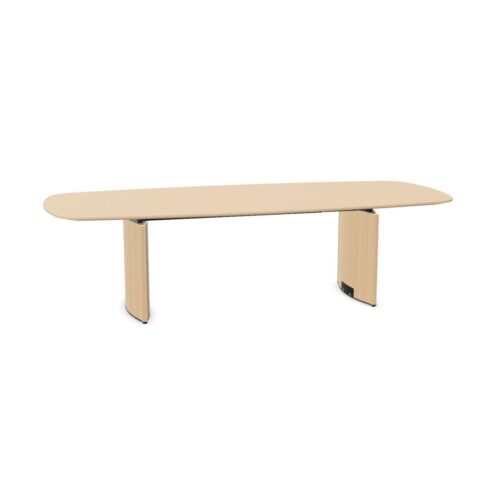
Gray Bases Beneath Round Conference Tops

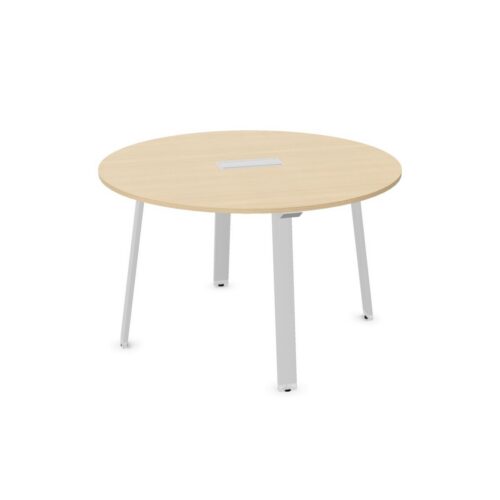
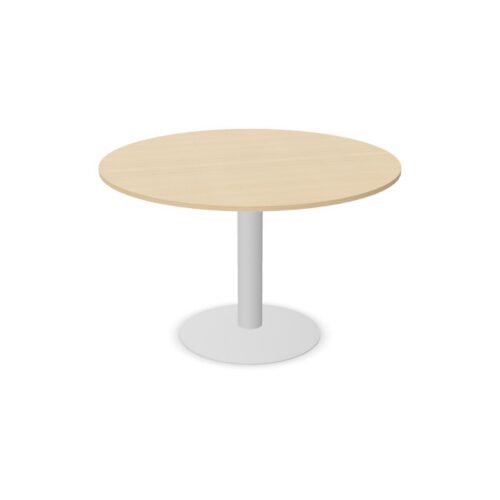
Conference tables with round tops and grey bases combine a continuous tabletop curve with a gray supporting element. The shape provides no designated head position, leaving the seating arrangement to follow the meeting’s purpose. The base color offers a point of comparison with the floor, chair frames, and other neutral elements already present in the room.

Begin by deciding whether attention will stay within the group or regularly turn toward a shared display. That choice affects chair orientation around the round top. Then assess the actual gray appearance beside surrounding colors, rather than assuming all grays will coordinate automatically. Inspect the support positions beneath the surface before settling the seating plan. The combination is best judged through its complete room relationship: how people face one another, how they reach their seats, and how the base sits visually among the surrounding furniture.

2 models
From €18.78 p/m
10 models
From €16.65 p/m
9 models
From €22.04 p/m
3 models
From €125.11 p/m
11 models
From €8.94 p/m
€10.50 p/m
2 models
From €17.92 p/m
3 models
From €25.22 p/m
11 models
From €15.25 p/m
4 models
From €23.04 p/m
5 models
From €16.03 p/m
8 models
From €12.16 p/m
8 models
From €30.83 p/m
30 models
From €16.42 p/m
6 models
From €11.54 p/m
3 models
From €90.74 p/m
3 models
From €7.87 p/m
2 models
From €105.43 p/m
2 models
From €20.85 p/m
€13.94 p/m
2 models
From €9.37 p/m

Compare Conference Tables With Round Tops and Grey Bases

Use the room's existing surfaces as the starting point for assessing the gray base. A floor, chair frame, or storage front may carry a similar color, but similar descriptions do not guarantee a close match. Compare the actual appearances together and decide if you want continuity or a visible difference. Check the composition with chairs around the table, since the supporting element may be seen between them rather than in isolation. Gray does not determine material or finish, and a round top does not determine its color. Keep those aspects distinct during the comparison.

Build the Seating Plan Around Conversation

Decide where participants should direct their attention before spacing chairs around the curve. A discussion-focused arrangement may prioritize views across the table, while an interview or review may require a more deliberate orientation toward particular speakers. The round outline allows these relationships to be planned without a defined end seat. It does not establish the seating pattern by itself. Inspect the actual base arrangement and test how each intended chair position relates to it. Include the movements people make when turning toward a colleague, taking notes, or standing to contribute at a wall.

Keep Access Clear as Chairs Move

When arranging conference tables with round tops and grey bases, review movement in stages. First, follow the path from the entrance to the seats. Next, check the room with chairs pulled back for entry and exit. Finally, consider access to shared equipment during the meeting. A curved tabletop boundary still needs a considered relationship with walls, storage, and passing routes. Pay attention to any chair located beside a frequently used path. The goal is an arrangement that remains workable throughout the session, rather than one that appears orderly only when all chairs are tucked beneath the table.

Include the Display in the Room Review

A round meeting surface can support group conversation while still requiring careful planning for screen-based work. Seats around the perimeter face a display from different directions. Check the view and turning movement from each intended position, including the person leading the session. If the room alternates between discussion and presentation, rehearse that change in attention. Review the gray base and surrounding furniture from these working viewpoints as well. The room's color relationships should remain coherent, but they should support a seating arrangement chosen for the actual activity rather than dictate where participants must sit.

Frequently Asked Questions

Will the base match other gray furniture?

Not automatically. Conference tables with round tops and grey bases need a visual comparison with the actual surrounding colors if a close match matters to the room plan.

Does the circular outline remove seating constraints?

No. The base configuration, chair movement, and routes around the meeting area still influence where people can sit comfortably.

Should every chair face the display directly?

That depends on the meeting activity. Check each intended seat and consider how often participants need to turn between the group and the shared screen.

Test round tabletop shape alongside grey base color from the doorway and occupied seats, checking discussion views and routes through the room.

Explore related selections