

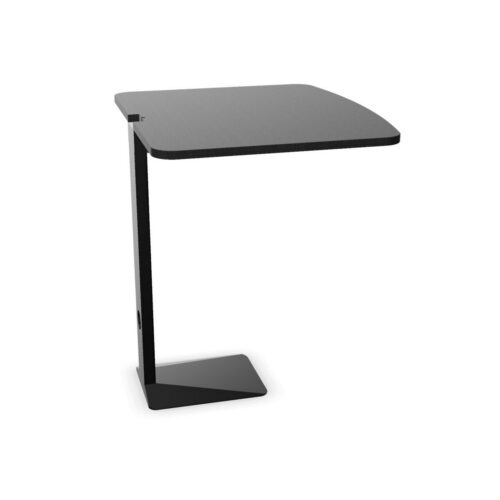
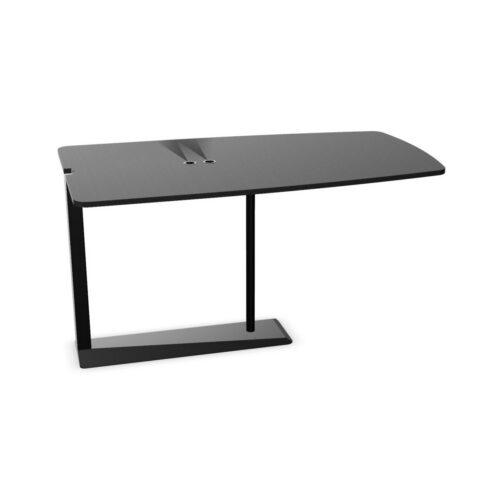
Rectangular Meeting Tops on Black Bases

Conference tables with rectangular tops and black bases pair a straight-edged meeting surface with a clearly defined base color. The rectangular outline provides sides and ends to organize around, while black offers a specific visual relationship to compare with chairs, flooring and nearby furniture. These properties can guide the room plan without determining the tabletop color, support structure or materials. Review those details independently when they affect the intended use.

Start by deciding whether discussion or a shared presentation sets the main direction of the room. Arrange chairs along the sides and at the ends only where those positions serve the meeting. Then check how the corners relate to the entrance and circulation paths. Once the layout works with occupied seating, assess the black base within the complete interior, including whether it connects with chair frames or creates a deliberate contrast against the surrounding finishes.

11 models
From €21.26 p/m
9 models
From €22.04 p/m
18 models
From €27.49 p/m
4 models
From €13.30 p/m
7 models
From €41.00 p/m
3 models
From €35.88 p/m
2 models
From €54.73 p/m
5 models
From €41.00 p/m
2 models
From €41.00 p/m
2 models
From €54.73 p/m
2 models
From €41.00 p/m
9 models
From €96.74 p/m
6 models
From €54.73 p/m
6 models
From €41.00 p/m
8 models
From €54.73 p/m
4 models
From €51.25 p/m
3 models
From €41.00 p/m
6 models
From €51.25 p/m
8 models
From €41.00 p/m
4 models
From €30.13 p/m
3 models
From €30.93 p/m
2 models
From €2.13 p/m
3 models
From €2.38 p/m
2 models
From €25.99 p/m

Conference Tables With Rectangular Tops and Black Bases

A rectangular top gives the meeting arrangement a clear directional structure, with straight sides, defined ends and corners to include in the plan. Decide how that structure should relate to the room before using visual alignment as the deciding factor. A table can sit neatly parallel to a wall yet leave awkward routes when chairs are occupied. The black base adds a separate coordination question: determine whether it should connect with other dark details or stand apart from the floor and seating. Assess these choices together while keeping the actual support arrangement and tabletop appearance as independent matters to establish.

Set the Direction for Shared Content

Locate the presentation area and consider how people seated along each side will view it. End positions may face shared content differently, so do not assume every chair has an equivalent role. If the room is mainly used for discussion, prioritize the relationships between participants across the table. If presentations dominate, review the turns people must make and whether others interrupt their view. The rectangular outline helps organize the arrangement, but it does not automatically resolve those sightlines. Check the intended seating pattern as a complete meeting setting rather than judging the orientation from the tabletop alone.

Coordinate Black Beneath the Tabletop

Compare the black base with chair frames and any other dark elements visible near floor level. A close relationship can connect them visually, while contrast with the flooring can give the table a more distinct outline. Neither effect needs to be assumed in advance; review the actual combination in the room. Black does not establish a matte surface, a glossy finish or a particular material. Avoid extending the color choice into unsupported assumptions about the table's appearance or construction. Keep the tabletop color separate, and decide how much visual emphasis the base should receive once the chairs are in place.

Plan Routes Around Corners and Chairs

Conference tables with rectangular tops and black bases need circulation planning that includes the corners as well as the seats. Trace the route from the entrance to each chair and onward to storage or shared equipment. Check where people turn around an end and whether a pulled-out chair redirects them toward a tabletop corner. Review the support positions beneath intended seats rather than assuming a straight edge guarantees usable foot space. Once those routes work, revisit the visual alignment with walls and other furniture. The best orientation for daily use may differ from the arrangement that looks most symmetrical before the room is occupied.

Frequently Asked Questions

Should a rectangular table run parallel to a wall?

That can provide a clear visual alignment, but the room's main activity and circulation should guide the decision. Check occupied chairs, corner routes and presentation views before choosing the final orientation.

Do black bases require black chairs?

No. Black chairs may create continuity, while other colors can introduce a deliberate contrast. Compare the base, chair frames and floor together rather than treating a matching chair color as a requirement.

What needs checking beneath the straight edges?

Assess conference tables with rectangular tops and black bases for support placement at every intended seating position. The rectangular shape and black color do not establish legroom, base construction or how freely chairs can move.

Explore related selections