

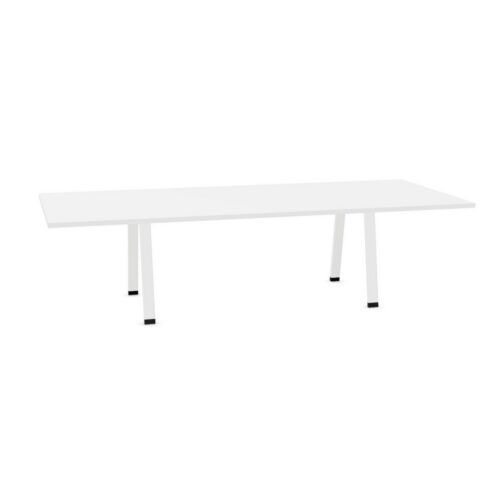
Red Bases for Rectangular Conference Tables

Conference tables with rectangular tops and red bases place a red accent beneath a clearly structured meeting surface. The rectangular shape helps organize opposing chairs and establishes an obvious direction toward either end. Red adds a separate visual consideration: how prominently the base should appear beside the seating, floor and other room elements. Its role depends on those surroundings rather than on color alone.

Start with the room’s main focus. If a screen leads most meetings, orient the table around useful views from the intended chairs. For discussion, consider how people address colleagues across the surface and at the ends. Then assess where the red base is visible within that plan. A similar accent elsewhere may connect the furniture, while fewer nearby color references may leave the base more distinct. Confirm the actual support positions when checking chair approach; the color does not establish the physical arrangement beneath the top.

3 models
From €20.05 p/m
2 models
From €28.04 p/m
€31.41 p/m
€11.34 p/m
2 models
From €19.95 p/m
2 models
From €10.48 p/m

Conference Tables With Rectangular Tops and Red Bases

Decide whether red should be a recurring room color or a concentrated accent around the table. This decision is easier when you view the base alongside the chairs and floor. Red seating may repeat the color close to the supports, while a red wall detail creates a relationship across the room. Compare the effects before adding further accents. The rectangular tabletop gives the composition a clear outline, so consider how the color below that outline appears from the entrance. Also check the seated view, where neighboring furniture may change its prominence. A deliberate relationship matters more than repeating red everywhere it could appear.

Keeping Presentations at the Center of the Plan

In a presentation room, establish the main viewing direction before arranging surrounding furniture. A rectangular table has a clear axis, but following it directly toward a screen is only useful if the chair positions provide workable views. Check how people along the sides turn toward the display and where the presenter stands. Keep the route from the door separate from the main presentation area where the room allows. Consider the transition back to discussion as well: participants should be able to address each other without treating the screen as the focus of every exchange. The table position should reflect the meetings that actually occur.

Assessing Red Beside Existing Room Colors

Red-base rectangular conference tables need a considered relationship with colors already present, especially when the room contains several strong accents. Look at nearby chairs, storage fronts and wall details together rather than comparing each item separately. You may decide to repeat red selectively or let another surrounding element provide the connection between furniture pieces. Assess the actual colors under normal meeting lighting, since their appearance can vary with the setting. Keep the tabletop appearance in the same review without assuming it matches the base. The aim is a readable composition in which the meeting area and presentation area each have an understandable place.

Checking Movement at the Ends and Corners

Walk through the proposed arrival and departure routes with occupied chairs in mind. The ends of a rectangular surface can become crossing points when people head toward a door, shared display or storage. Avoid assigning those same places several competing functions. For rectangular meeting tables with red bases, color coordination should follow a layout that already allows comfortable chair access. Inspect support placement beneath each intended position, including any end chairs. Then review movement around the corners and behind the seating. This sequence helps keep visual decisions connected to use, so a coordinated accent does not determine where people must squeeze past each other.

Compare how conference tables with rectangular tops and red bases relates to chair positions and shared views in the intended room.

Assess conference tables with rectangular tops and red bases alongside circulation and the meeting's main viewing direction.

FAQ: Red Bases in Presentation and Discussion Rooms

Should red be repeated on the chairs?

It can be, but assess the combined effect before choosing a repeated color. Chairs occupy a different part of the view from the base and may make red more prominent within the meeting area.

Can a red base work with existing accents?

Compare the accents together under the room's lighting. Decide which should be repeated and which should remain separate, giving particular attention to colors visible close to the floor and seating.

Does the rectangle require a chair at each end?

No. Rectangular conference tables with red bases can be planned around side seating if that suits the meeting. Decide end use from the support arrangement, circulation routes and the room's direction of attention.

Explore related selections