

Rectangular Melamine Tables for Organized Meetings

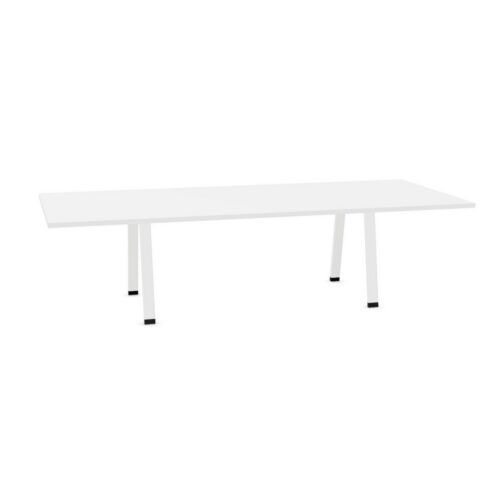
Conference tables with rectangular tops and melamine tops combine straight tabletop edges with a specified surface material. The rectangular outline gives you clear side and end positions to consider when organizing meetings. It can guide opposing seating, a presentation direction or a shared document arrangement, depending on the room’s purpose. Melamine identifies the tabletop material, while the actual appearance and other table details need their own assessment.

Rectangular melamine conference tables should be planned around occupied seats and the routes behind them. Straight edges can help establish orderly working positions, but alignment alone does not resolve chair access or the use of the corners. Compare the surface with existing melamine furniture where relevant, and decide how the ends will function during a meeting. This connects the chosen outline and material to everyday tasks without allowing the room’s visual symmetry to determine every practical choice.

9 models
From €22.04 p/m
3 models
From €20.05 p/m
2 models
From €28.04 p/m
€31.41 p/m
€11.34 p/m
2 models
From €19.95 p/m
2 models
From €10.48 p/m

Arrange conference tables with rectangular tops and melamine tops

Begin by deciding how the meeting uses the table's sides and ends. Opposing seats may suit a discussion in which colleagues exchange views across the surface. A presentation may give the room a clearer direction, with attention focused toward a wall display. Place the intended chairs in the plan before aligning the table with the room. Include a working area for each participant and a separate place for shared information. The melamine tabletop is the chosen surface material within this arrangement; its designation does not determine the meeting format or supply the remaining details needed to organize the room.

Keep corners from becoming competing work areas

Where side seating meets an end position, consider how neighboring participants place papers and move their chairs. A rectangular corner can appear available on an empty tabletop while already being part of someone's working area. Avoid assigning the same space to personal notes, shared documents and an adjacent participant. Rectangular melamine conference tables allow clear alignment along their edges, but that alignment still needs coordination at the corners. Review these points during a typical document-based meeting. Adjust chair positions or relocate shared papers if colleagues would otherwise need to negotiate the same area throughout the discussion.

Compare the surface with established workplace furniture

If the room contains melamine desks or storage, assess their actual appearance beside the meeting tabletop. A common material designation does not establish matching finishes. Decide whether the table should continue the surrounding visual scheme or introduce a deliberate difference. The straight outline may relate readily to nearby furniture lines, but placement should still preserve the table's role as the meeting surface. Look at the arrangement from seated positions and from the entrance. This helps separate an appealing visual alignment from one that crowds furniture together or obscures the practical boundaries between storage, circulation and meeting work.

Use wall alignment without sacrificing chair access

A rectangular table can be oriented with the room's wall lines, yet occupied seating needs to remain the priority. Trace the route behind chairs on each side and consider how end seats are reached. Review any point where a door opens toward the table or storage is accessed during meetings. A visually straight route may become blocked once a chair is pulled back. Keep supporting furniture and bags out of these movement areas. Assess arrival, departure and a participant stepping away mid-session, since each can reveal a different conflict between the table's position and the surrounding room.

Questions about rectangular melamine meeting layouts

Does an end seat need a designated role?

A clear role helps, but it does not have to be the meeting lead's position. Decide whether the end is used for participation, presentation support or shared documents. Consider neighboring side seats and access before assigning a chair simply to complete a symmetrical arrangement.

Should the tabletop match melamine storage?

Compare the real surfaces before deciding. Rectangular melamine conference tables can coordinate with existing furniture without requiring an exact visual match. Consider the tabletop, storage and chairs together, then check that the resulting arrangement still keeps circulation and working areas clearly defined.

How should opposing seats share paperwork?

Keep active documents in an agreed area and move them between participants when necessary. Personal notes should stay close to their owners. Pay particular attention near corners, where a shared paper area can overlap with the working space of someone seated at the end.

Keep conference tables with rectangular tops and melamine tops in view while comparing placement, access and the surrounding interior.

Compare how conference tables with rectangular tops and melamine tops relates to chair positions and shared views in the intended room.

Explore related selections