

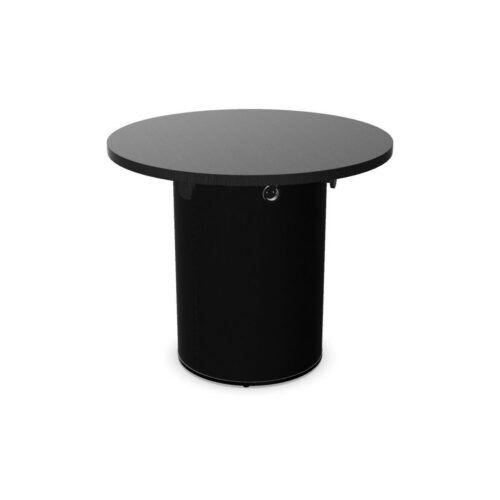
Round Conference Tables With Constant Height

Fixed-height conference tables with round tops bring a circular meeting surface together with an unchanging working height. Without a designated end, the tabletop supports a layout organized around a shared center. The fixed height makes the relationship with seating an important early consideration. Assess the intended chairs alongside the table, then place the whole arrangement in relation to entrances, presentation areas, and the routes people use through the room.

The circle may suggest an even distribution of seats, but practical placement should follow the meeting’s needs. A screen on a wall, for example, can make some positions less convenient for viewing than others. Fixed-height conference tables with round tops work best when the seating plan accounts for those differences. Consider how participants will approach their places, share documents, and leave during a discussion. The surface stays at the same height, so routine changes should focus on seating and meeting organization.

2 models
From €18.78 p/m
10 models
From €16.65 p/m
9 models
From €22.04 p/m
18 models
From €27.49 p/m
6 models
From €28.06 p/m
3 models
From €125.11 p/m
€9.29 p/m
2 models
From €9.51 p/m
4 models
From €7.81 p/m
2 models
From €8.94 p/m
4 models
From €9.16 p/m
5 models
From €20.67 p/m
3 models
From €15.35 p/m
3 models
From €22.04 p/m
4 models
From €59.03 p/m
3 models
From €21.01 p/m
2 models
From €19.64 p/m
3 models
From €14.84 p/m
3 models
From €25.99 p/m
4 models
From €22.73 p/m
2 models
From €20.67 p/m
2 models
From €16.04 p/m

Arranging Fixed-Height Conference Tables With Round Tops

Think of the table and surrounding chairs as a complete meeting area. Placing the circular top in the visual center of a room is only a starting point; the occupied seating arrangement must also work with the entrance and adjacent furniture. Walk the likely approach to each position and identify where someone leaving a seat could interrupt another route. The fixed height allows the surface setting to remain consistent between meetings. Use that consistency to establish a clear arrangement, then assess whether the same arrangement serves the discussions and presentations that regularly take place in the room.

Choose Chairs Around the Fixed Surface

Because there is no height adjustment, the intended seating needs to suit the tabletop in its existing position. Check how people approach the surface, where their arms rest, and whether chair arms, when present, fit the intended arrangement. Assess the seated relationship directly rather than relying on the appearance of an empty chair beside the table. If different chairs will be used for different sessions, review each type in context. The circular outline can accommodate varied seating positions around its edge, but it does not remove the need to establish a suitable working relationship with the surface.

Plan Screen Use Without Losing Discussion Views

A round layout directs attention toward the shared center, while a wall display draws attention outward. Decide which activity is more important for the room's regular meetings and position seating accordingly. Some chairs may need to face the display more directly, even if that makes the arrangement less symmetrical. Check views from actual seated positions and consider whether participants can return comfortably to face-to-face discussion. Avoid placing the table solely to create an attractive circle in the room. The useful arrangement is the one that supports the transitions between listening, viewing content, and speaking with colleagues.

Keep Everyday Access Predictable

Leave a clear route into the meeting area and consider what happens when chairs move away from the tabletop. A person arriving late should have an understandable approach without needing others to reorganize the room. Keep bags and temporary meeting materials from occupying the routes that serve the seating. Fixed-height conference tables with round tops do not require a height-setting routine, but the room still benefits from a consistent reset after use. Return chairs to practical positions and check that shared equipment remains reachable. Review the arrangement when the room's activities change, rather than preserving symmetry at the expense of access.

Frequently Asked Questions

Is the surface height adjustable?

No. The table remains at a fixed height. Evaluate chairs and the intended meeting activities against that surface before deciding whether the combination suits the room.

Should every chair be evenly spaced?

Even spacing can be a starting point, but entrances, screen views, and access may justify a different arrangement. Practical seating positions matter more than visual symmetry.

Can a round table have a lead seat?

Yes, the meeting can assign one. Choose its position according to the facilitator's role and room layout; the tabletop itself does not establish an end or head position.

Explore related selections