



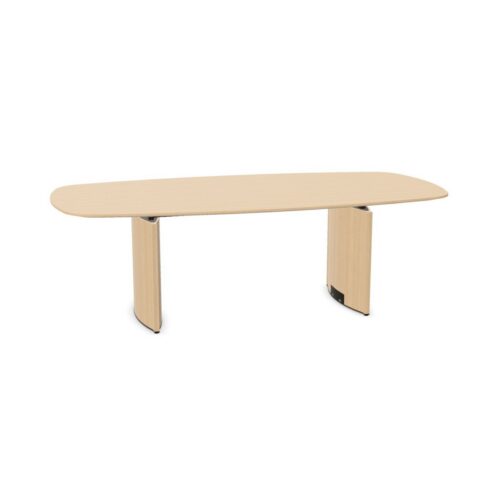


Positioning conference tables with round tops and gold surfaces
Decide how the table should appear when someone enters the room. A gold-colored top can serve as a deliberate color feature, but its placement must also support movement and discussion. Consider the doorway view alongside the routes people take to chairs and presentation equipment.
The circular outline allows seating around the perimeter without a designated head end. Use that flexibility to position participants according to the meeting format. Avoid arranging the room solely around a symmetrical entrance view if doing so obstructs storage access or gives regular attendees an awkward relationship to the display.
Compare Gold With Other Visible Finishes
Nearby handles, lighting fixtures or decorative elements may also be described as gold, yet their appearance can differ from the tabletop. Compare them directly. Decide whether the relationship should be closely coordinated or clearly varied, rather than assuming a shared color name guarantees a visual match.
For gold round meeting tables, chair upholstery and wall colors provide equally important context. Assess the whole group of surfaces under normal room lighting. The selected gold color does not establish a metallic appearance, brightness or sheen, so avoid building the room plan around characteristics that have not been confirmed through observation.
Keep the Shared Working Area Purposeful
A distinctive surface color does not require the table to become a display area. Arrange everyday meeting materials according to the task. Leave a shared place for current documents and keep individual devices near their users so that the circular center remains available for discussion.
Review how white paper, colored graphics and dark devices appear against the gold surface. This is a practical comparison of the working setting, rather than a basis for assuming surface performance. If the room also contains decorative objects, place them where they do not compete with document review or obstruct participants' views across the table.
