

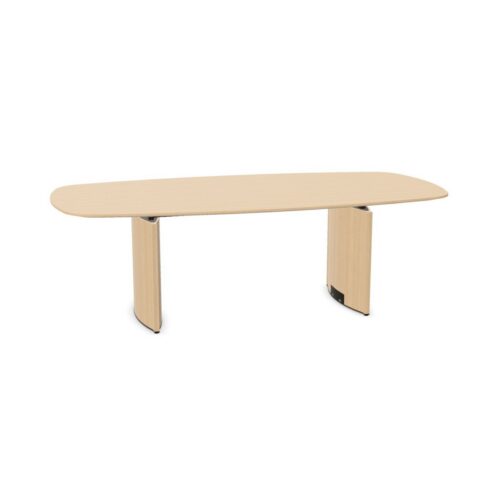
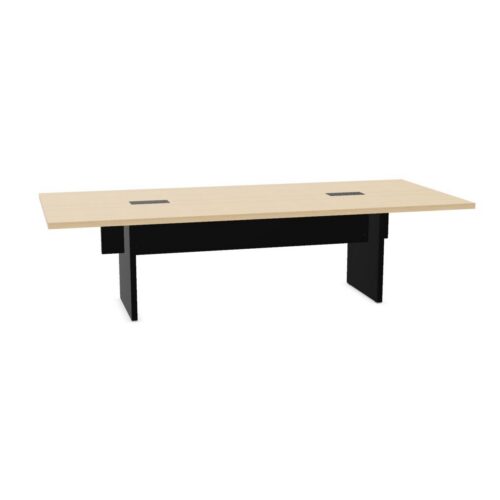
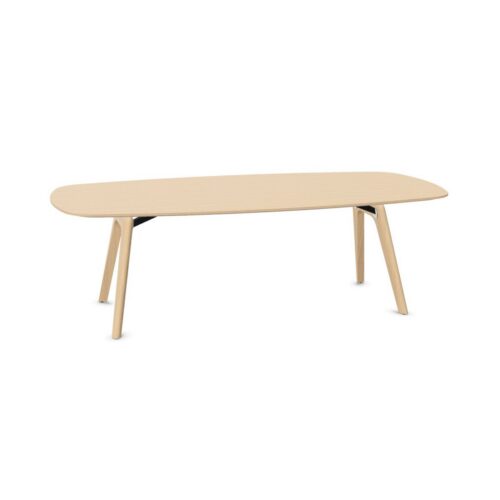
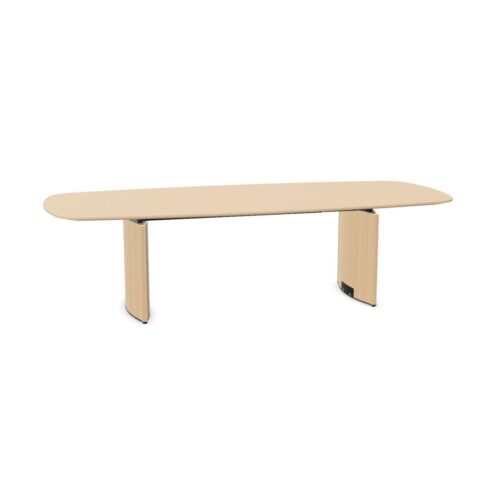
White Conference Tables With Both Sides Rounded

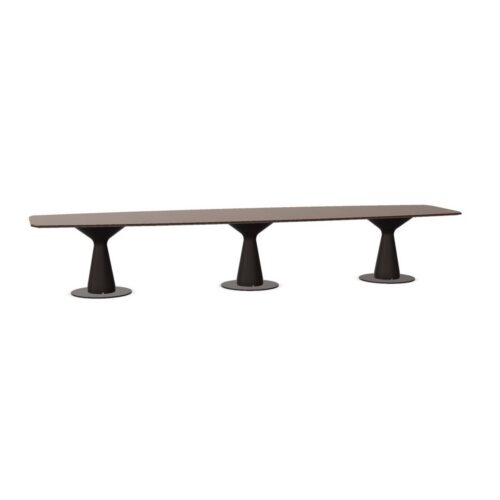
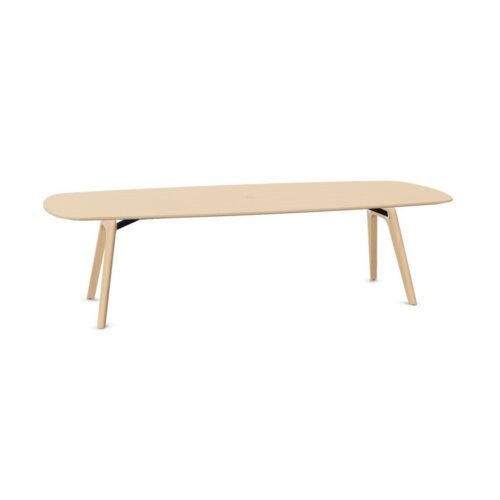
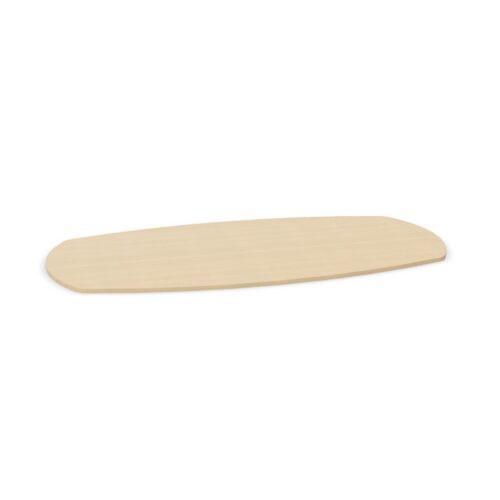
Conference tables with tops rounded on both sides and white surfaces combine a curved tabletop outline with a light surface color. The rounded portions need to be considered when placing chairs and planning movement around the table. The white surface should be reviewed alongside the room’s lighting, surrounding finishes and presentation setting. Together, these properties call for a room plan based on the table as people will actually use it.

Begin with the seats needed for everyday meeting activities, then check each approach with the chairs in working positions. Look at the white tabletop from those same seats, including its relationship with windows, lighting fixtures and the wall behind it. Keep decisions about surface appearance separate from assumptions about its finish or reflectivity. The practical aim is a coherent meeting area with clear routes, useful viewing directions and working positions that follow the tabletop’s rounded outline.

8 models
From €12.16 p/m
8 models
From €30.83 p/m
30 models
From €16.42 p/m
5 models
From €25.05 p/m
2 models
From €9.37 p/m
13 models
From €8.10 p/m
5 models
From €10.64 p/m
2 models
From €125.31 p/m
€7.77 p/m
12 models
From €2.99 p/m
€25.85 p/m
12 models
From €55.42 p/m
3 models
From €39.32 p/m
2 models
From €18.08 p/m
2 models
From €5.54 p/m
18 models
From €42.84 p/m
8 models
From €23.66 p/m
10 models
From €14.47 p/m
11 models
From €6.67 p/m

White Conference Tables Rounded on Both Sides

Rounded portions change the relationship between the tabletop edge and the chairs beside it. Place each chair according to the usable working position it creates, then inspect the route around it. The white surface brings a separate visual consideration: how the table reads against its immediate surroundings. In a room with other light finishes, look at the distinction between the tabletop, seating and floor. In a room with contrasting finishes, consider which elements should remain visually prominent. Work through these choices alongside the seating plan so the table's appearance and the room's daily use develop as a single arrangement.

Review White in the Room's Lighting Context

Assess the surface color under the conditions used for meetings, including daylight, blinds and overhead lighting. A white color description does not establish whether the surface is matte, glossy or reflective, so avoid basing lighting decisions on those assumptions. White conference tables with both sides rounded should be reviewed from seated viewpoints, where the tabletop occupies a different part of the view than it does from the door. Also inspect the relationship between nearby windows and the presentation area. Adjust the room's lighting arrangement around the activities it supports, and assess the actual surface appearance within that setting before finalizing the visual composition.

Position Chairs Along the Rounded Portions

Follow the tabletop contour when deciding where each chair belongs. At the rounded portions, check how a participant faces the working surface and how that position relates to the neighboring seat. Avoid treating every place as if it faced a straight edge. For conference tables with white surfaces and tops rounded on both sides, review document placement as well as the chairs themselves. People need a useful area directly in front of them and a clear route into and out of their seats. Keep nearby storage, loose equipment and personal belongings from occupying the space used when chairs are pulled back.

Balance Discussion With Shared Screen Use

Identify whether meetings usually center on conversation, a screen or a mixture of both. Then test the viewing direction from each intended chair, including those beside rounded sections of the top. A clear view from the entrance does not confirm a practical view from the seats. White rounded-side conference tables can be oriented around the room's meeting routine, with surrounding furniture positioned to support that choice. If participants regularly turn toward a display, allow for that movement in the chair arrangement. Keep presentation accessories accessible without spreading them across the working areas or leaving them in the route around the table.

Compare how conference tables with tops rounded on both sides and white surfaces relates to chair positions and shared views in the intended room.

Assess conference tables with tops rounded on both sides and white surfaces alongside circulation and the meeting's main viewing direction.

For conference tables with tops rounded on both sides and white surfaces, map the intended seats before deciding how the table will sit within the room.

FAQ About White Tables With Rounded Sides

Does a white surface require a particular lighting setup?

The color alone does not determine the lighting setup. Review the actual surface in the room, including seated viewpoints, windows and presentation use, before deciding how blinds and artificial lighting should be arranged.

How should chairs follow the rounded tabletop sections?

Position them according to the working area in front of each participant. Check the chair angle, the relationship with neighboring seats and the route used to sit down or leave during a meeting.

What helps white coordinate with other light finishes?

Review the table, chairs and floor together under the same lighting. Consider whether their differences remain visually clear and decide where contrast or a repeated finish would give the meeting setting a coherent appearance.

Explore related selections