








Planning Fixed-Height Conference Tables With Trigoon Tops
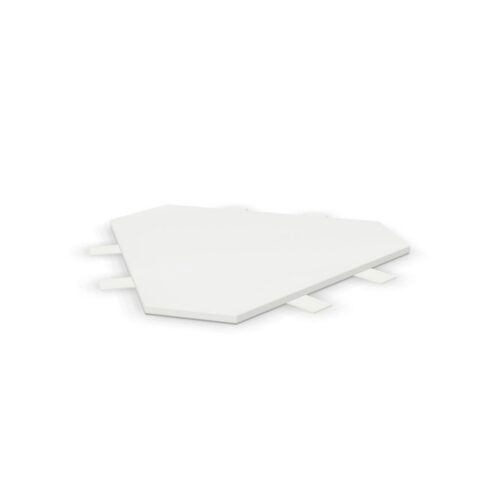
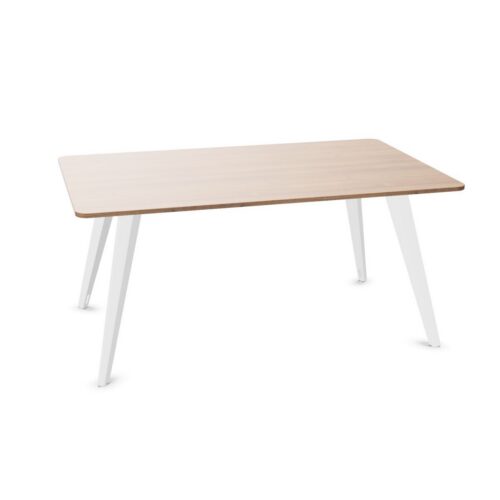
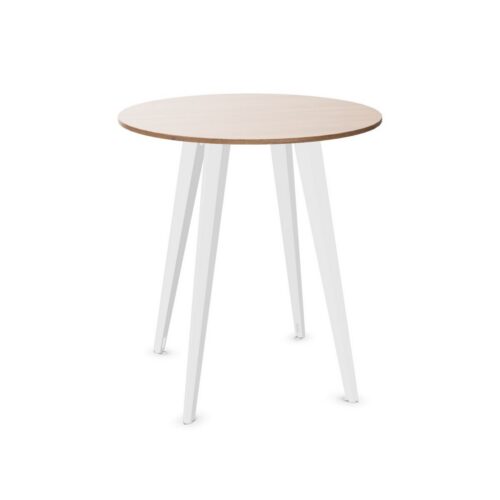
Map the room around the meeting's main activity. A conversation-led session needs useful face-to-face positions, while a presentation also requires attention to the viewing direction. Place the trigoon top with those requirements in mind, then assess each chair position individually. The tabletop outline should inform the arrangement without dictating it in isolation. Consider where notebooks, laptops or shared papers will sit and whether participants can use them without turning away from the discussion. Confirm the plan with chairs pulled into working positions, since an empty tabletop gives only part of the picture.
Assess Chair Fit Before Establishing a Room Standard
A fixed working height makes seating compatibility an early decision. Check that the chosen chairs support a comfortable relationship between the user and the tabletop during typical tasks. Where armrests are present, assess their clearance and whether they interfere with approaching the work surface. Adjustable chairs may offer useful flexibility for different people, but their adjustment does not alter the table. If the same chair type is used throughout the room, test it in the intended arrangement rather than assuming a familiar chair will automatically suit a different working surface and tabletop outline.
