

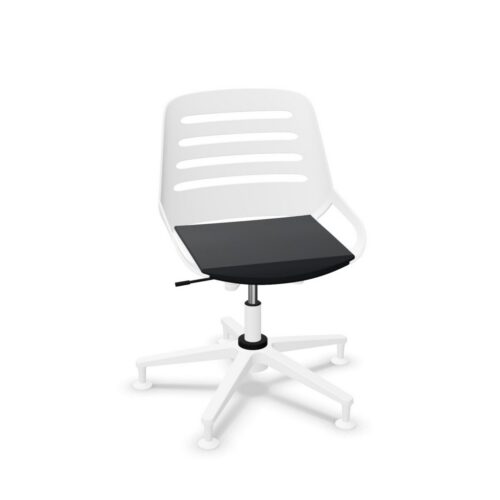
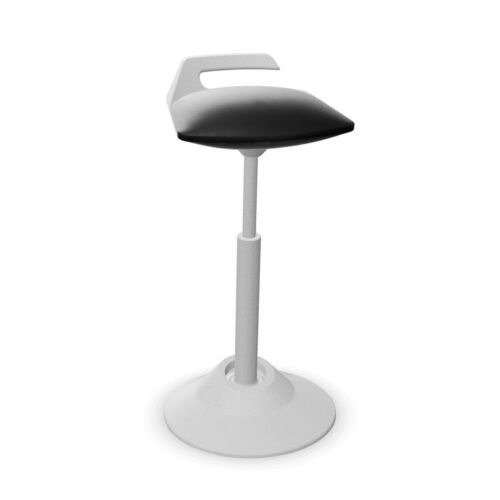
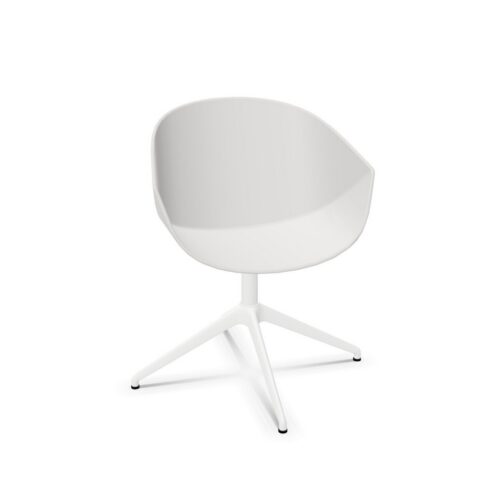
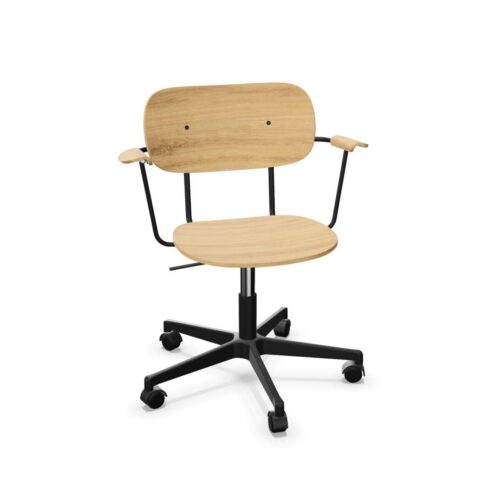
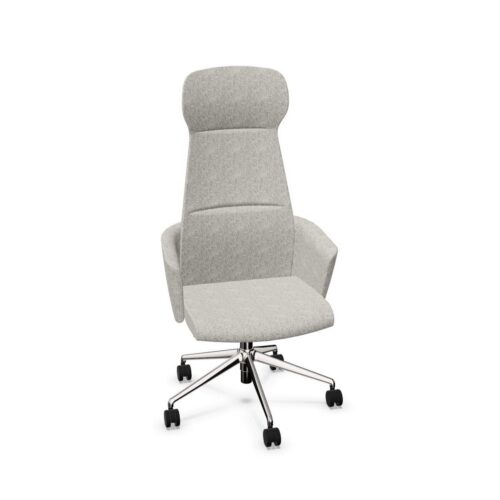
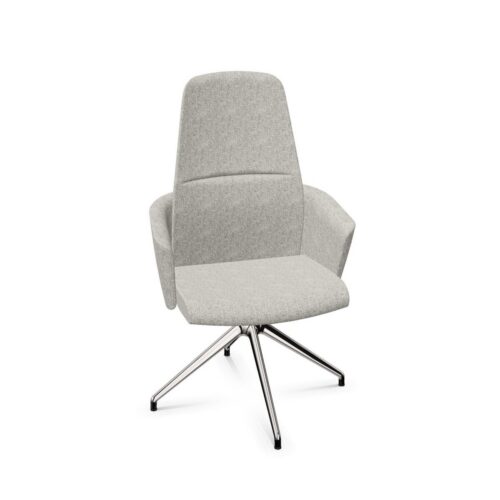
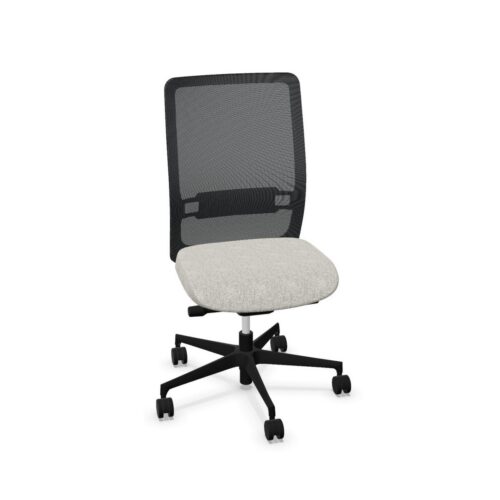
Metal Base Office Chairs Without Back Height Adjustment

Metal base office chairs without back height adjustment place particular emphasis on the backrest’s existing vertical position. Users cannot change that position through a height adjustment, so an office manager needs to assess where the backrest contacts each person’s back during work. The metal base adds a broad construction characteristic to the selection. It does not establish the exact metal, its finish or the backrest’s shape, and none of those details should be assumed from appearance.

Organise the comparison around the tasks people perform and the contact they experience while seated. Compare office chairs at a representative desk, asking users to sit against the backrest and describe its position. Keep height and angle separate: the absence of backrest height adjustment does not confirm whether reclining or another movement is available. Check seat adjustments independently too. The aim is a documented assessment of the fixed backrest height alongside the material requirement, with clear evidence for the intended workplace setting and its users.

6 models
From €6.87 p/m
3 models
From €10.49 p/m
2 models
From €6.87 p/m
4 models
From €7.26 p/m
3 models
From €8.88 p/m
2 models
From €19.56 p/m
5 models
From €13.67 p/m
3 models
From €9.20 p/m
19 models
From €2.38 p/m
7 models
From €7.54 p/m
4 models
From €28.11 p/m
5 models
From €23.04 p/m
2 models
From €17.75 p/m
2 models
From €13.64 p/m
4 models
From €28.21 p/m
6 models
From €10.09 p/m
2 models
From €26.32 p/m
10 models
From €25.85 p/m

Judge The Backrest In Its Existing Position

Metal base office chairs without back height adjustment need a backrest position that suits the person using them. Ask each participant to sit against the backrest and describe where it makes contact. Continue with a typical task, then check whether the user maintains that contact or moves away from it. Record the observation without assuming that every change of posture signals the same issue. The relevant question is how the existing backrest height relates to the user and activity. Since it cannot be adjusted vertically, a mismatch needs further assessment rather than an instruction to raise or lower it.

Distinguish Height From Other Backrest Functions

A backrest can have several characteristics that must be checked independently. Its vertical position, angle, shape and any separate support element are different assessment points. Compare office chairs without treating the absence of one adjustment as evidence about all the others. If movement is available, follow the instructions and identify exactly what changes. Keep the backrest height finding explicit throughout the trial. This prevents a description such as fixed back from obscuring the narrower supplied fact. It also helps colleagues understand which settings users can change and which parts of the seated fit must work as provided.

Ask Precise Questions About The Metal Base

When reviewing metal base office chairs without back height adjustment, separate the broad material statement from more detailed requirements. Metal does not establish a particular alloy, finish or base design. Ask for those details if the workspace needs them, and inspect the actual base alongside surrounding furniture. Obtain care instructions relevant to its surface rather than assuming a maintenance method from the word metal. Keep any structural or performance questions separate until evidence is available. This gives the material review a clear purpose while preserving the importance of the backrest fit assessment for individual users.

Build Allocation Around Documented Fit

Where several people may use the same seating, gather individual observations rather than relying on a single demonstration. Compare office chairs using consistent questions about back contact, task position and access to the desk. Record relevant dimensions if supplied, alongside the actual trial conditions. Confirm seat height and other functions separately before including them in setup guidance. If users report different experiences, retain those differences when planning allocation. The lack of backrest height adjustment means that the existing position must be acceptable for the intended person; a general room requirement cannot establish that individual fit on its own.

Questions About Backrest Position

Does The Backrest Have No Movement?

That cannot be concluded from the absence of back height adjustment. The supplied characteristic concerns vertical positioning only. Backrest angle, reclining movement and other functions require separate confirmation. Use the actual operating instructions to establish what moves and what each available control changes.

Can Seat Height Resolve Backrest Fit?

Seat height, if adjustable, serves a separate purpose and should be checked in relation to the desk and floor. Do not assume it will correct an unsuitable backrest position. Assess the resulting whole seated position, using each confirmed control according to its specific instructions.

What Should Managers Record Before Allocation?

For metal base office chairs without back height adjustment, record each user's back contact, task observations and confirmed functions. Add material details and care guidance where available. Keep unresolved fit concerns visible so the allocation decision reflects the actual seating assessment and intended workplace use.

Explore related selections