



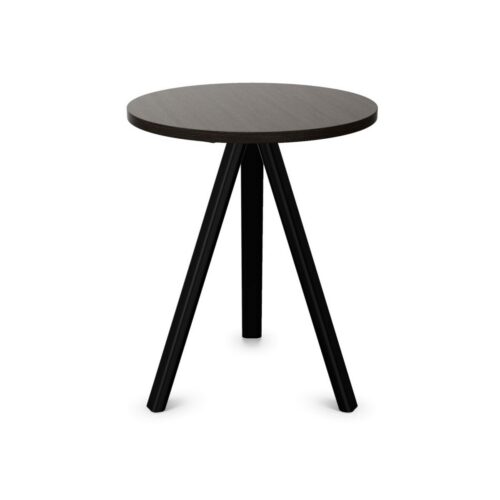
Coordinating Lounge Furniture With Silver Bases and Wood Surfaces
Identify the wood-tone reference that matters most in the room. This might be the color of existing furniture or a permanent interior finish. Decide whether the lounge should relate closely to that reference or create a distinct area within the broader palette.
Keep the silver base part of the discussion from the start. Its relationship to the wood-toned surface is visible within each piece, while its relationship to other silver details is visible across the room. Both scales of comparison matter when establishing a coherent lounge.
Separate Surface Appearance From Construction
A wood surface color does not establish a material, construction method, or care requirement. Assess those matters through the specific information for the individual furniture. This distinction allows the visual brief to remain clear without turning a color preference into an unsupported technical assumption.
When comparing lounge furniture with silver bases and wood surfaces, describe the appearance you need in practical terms: lighter or darker, warmer or cooler, closely related or deliberately contrasting. Use representative samples where available. Compare them together with the room finishes instead of assessing each appearance separately from memory.
Control the Relationship Between Different Tones
If the surrounding interior already contains several wood-like colors, establish which should lead the scheme. The lounge does not need to match all of them. A clear relationship to the dominant tone can be more coherent than an uncertain compromise between unrelated colors.
View lounge furniture with silver bases and wood surfaces from the room's main approach. Check whether the surface color competes with nearby furniture or supports the intended hierarchy. Then look at the silver details. Decide whether they connect separate areas of the interior or mainly define the base of the lounge furniture itself.
