



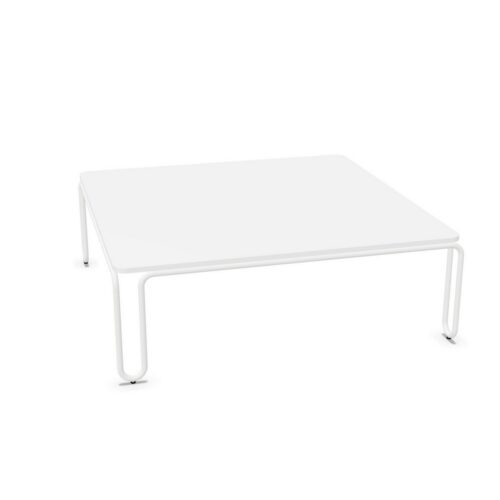
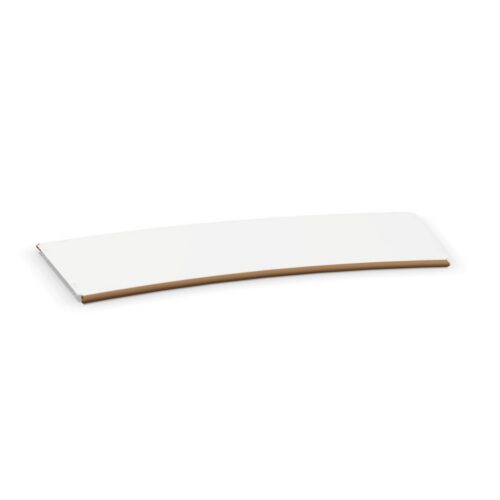


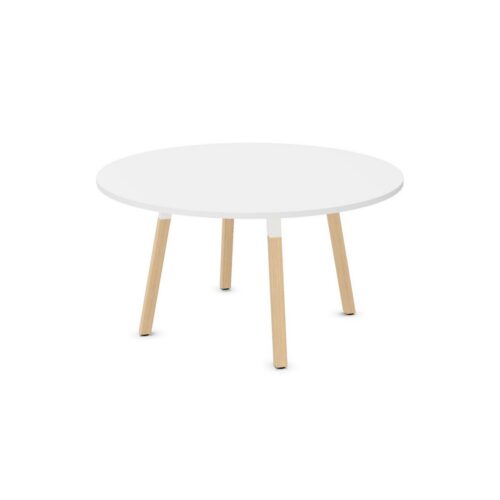

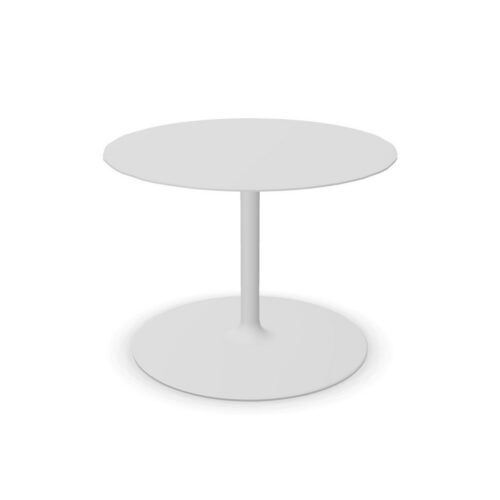


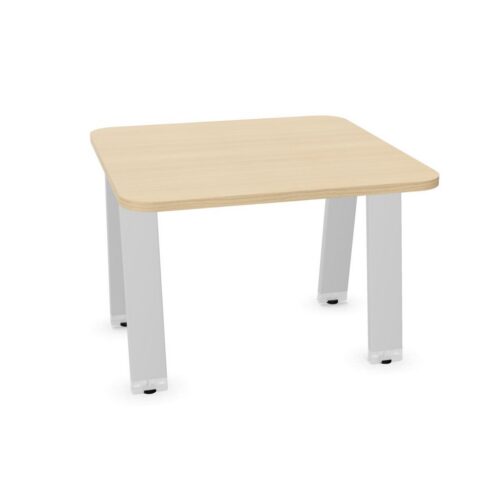

Connecting lounge furniture with steel bases and grey surfaces
Use the surrounding palette to establish what the grey needs to accomplish. If the lounge lies between a pale reception area and a darker meeting zone, compare the surface against both backgrounds. A useful relationship should remain coherent across the transition. Do not assume that any grey will connect the two simply because it is neutral. Its undertone and relative depth influence how it sits beside each color. Identify the views where the adjoining areas appear together, then use those views as the basis for evaluating the furniture's role within the overall interior.
Separate undertone from tonal depth
Assess two questions independently: how light or dark the grey appears, and whether it leans toward a warmer or cooler impression. A close tonal match can still look disconnected if the undertones differ noticeably. Conversely, related undertones can connect elements with different depths of color. Review the surface beside nearby walls, flooring, and furniture under the room's lighting. Concentrate on the elements that share a direct visual relationship. This produces a clearer basis for comparison than treating grey as a uniform color or trying to coordinate every neutral throughout the building.
Establish the contribution of the steel base
With lounge furniture with steel bases and grey surfaces, the base can influence how distinctly the furniture reads against its surroundings. Steel identifies material, while base color and form remain separate considerations. Examine whether the actual base creates a clear outline, echoes nearby furniture, or recedes within the composition. Consider its relationship with the grey surface from several angles. If both appear close in tone, the overall shape may become the stronger feature. If they differ substantially, their junction may receive more attention and should be assessed as part of the room's visual structure.
