








Position lounge furniture with steel bases and red surfaces
Map the first view into the lounge before deciding on individual placements. Red surfaces can become a strong visual reference, particularly against a quieter background. Decide whether that reference should sit beside the reception point, beyond it or within a separate waiting area. Check the arrangement from the entrance and from adjoining circulation routes. Furniture that looks appropriately placed from within a group may appear disconnected when seen from the doorway. Keep the intended destination clear without allowing the seating arrangement to interrupt the route toward it.
Give red a defined role
Decide whether red will be the main color statement or a recurring accent. The distinction affects how closely other elements need to relate to it. With lounge furniture with steel bases and red surfaces, compare the shade against existing red details rather than assuming that a shared color name guarantees a match. A warmer red and a cooler red may create a different relationship than intended. Review larger visible surfaces alongside smaller details, and judge their combined presence from across the room before concentrating on close views.
Read the base and surface together
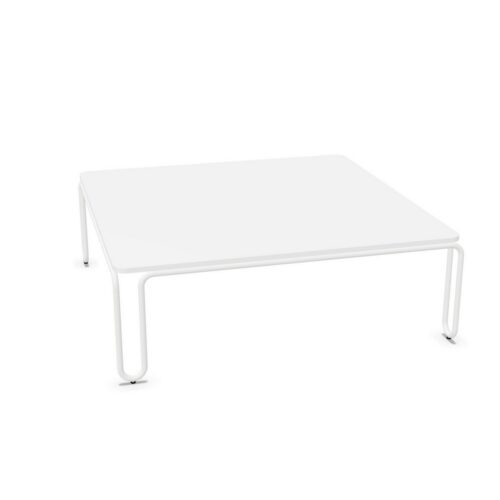
Steel identifies the base material, but it does not establish the base color, finish or shape. Examine those characteristics separately when assessing the overall design. A clearly visible base outline can become part of the room's visual rhythm; a less exposed base may play a smaller role. Compare that relationship with neighboring furniture rather than trying to coordinate the red surface alone. Also look at the junction between the base and the colored area, since this transition contributes to how distinctly the two parts read within the arrangement.
