

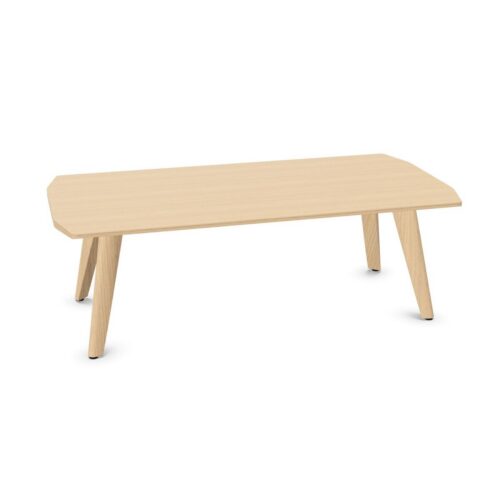
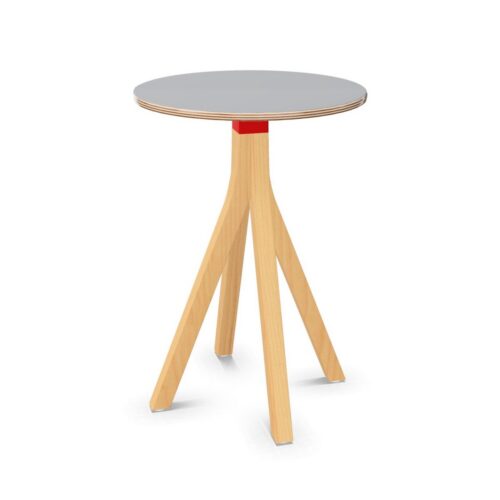
Lounge Furniture: Wood base material, Wood surface color

lounge furniture with wood bases and wood surfaces places a wood base alongside a wood surface color, making the relationship between visible tones central to the room scheme. For workplace lounges and reception areas, assess whether that relationship should appear closely coordinated or intentionally varied. The wood surface designation describes the selected appearance; it does not establish the surface’s material composition. Keep that distinction clear when reviewing the furniture’s visual and material requirements.

Begin with the finishes that will remain in the room. Compare the proposed furniture against the floor, walls, and neighboring pieces, looking at the full composition rather than seeking a match by name. Then examine the transition between surface and base. A coherent arrangement depends on how those elements appear together, how clearly each piece reads against its background, and how the seating groups relate across the space.

2 models
From €2.71 p/m
2 models
From €25.77 p/m
2 models
From €124.26 p/m
2 models
From €24.50 p/m
12 models
From €12.07 p/m
5 models
From €22.26 p/m
2 models
From €8.28 p/m
2 models
From €16.11 p/m
2 models
From €12.24 p/m
2 models
From €16.34 p/m
€16.40 p/m
€11.03 p/m
€17.75 p/m
€26.14 p/m

Coordinating Lounge Furniture With Wood Bases and Wood Surfaces

Establish the intended tonal relationship before comparing individual pieces. The room may call for a close visual connection between base and surface, or for a noticeable distinction between them. Write that intention into the project brief so the comparison has a clear reference point.

Review the furniture against the finishes immediately around it. A combination that appears coordinated in isolation may read differently beside an existing floor or wall treatment. Include those backgrounds in the assessment, and compare the furniture from the main approach as well as within the seating area.

Separate Material From Surface Appearance

With lounge furniture with wood bases and wood surfaces, the confirmed base material is wood. The wood surface color provides a visual direction, while the surface construction needs its own verification. Avoid allowing a shared descriptive word to stand in for a complete material assessment.

For visual planning, focus on the actual appearance of each element. Compare tone, the relationship between lighter and darker areas, and any visible pattern presented by the specific furniture. These observations can guide coordination without assuming that the base and surface share the same material or finish.

Create Definition Within a Tonal Scheme

When several surrounding finishes have a related appearance, consider how the furniture remains visually distinct. Look at the boundary between the base and the floor, then the boundary between the surface and its background. Decide where close continuity serves the design and where clearer separation would help.

Use placement to support that decision. A seating group viewed against a plain wall creates a different composition from one positioned among several visually detailed elements. Assess those relationships in the room plan, including views across neighboring groups, before agreeing how much tonal variation the scheme needs.

Coordinate Groups Across a Shared Workplace

Lounge furniture with wood bases and wood surfaces can provide a consistent visual direction across reception and communal areas. Define which details should remain consistent between those spaces. The base appearance, surface tone, or relationship between the two may be the most useful point of continuity.

Consistency does not require every background to be identical. Review each group in its own surroundings, then compare the groups together. Pay attention to the views that connect them, such as a corridor opening or an entrance sequence, and ensure the planned relationship remains apparent along those routes.

Frequently Asked Questions

Does the wood surface color confirm its material?

No. It identifies the selected surface appearance. Wood is the specified base material, while the surface material must be checked separately if it forms part of the project requirements. Keep appearance and construction as separate decisions.

Should the base and surface look identical?

Only if a close visual match is the intended scheme. A deliberate tonal difference can also create a coherent composition. Compare both elements together and against the room's existing finishes before deciding which relationship is appropriate.

How should existing finishes guide coordination?

Assess lounge furniture with wood bases and wood surfaces beside the finishes that will remain. Identify the most prominent shared viewpoints, then decide whether each relationship should be closely related or clearly distinct within the wider lounge arrangement.

Explore related selections