

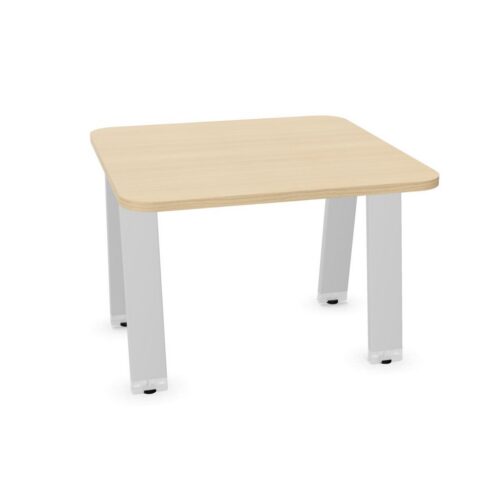
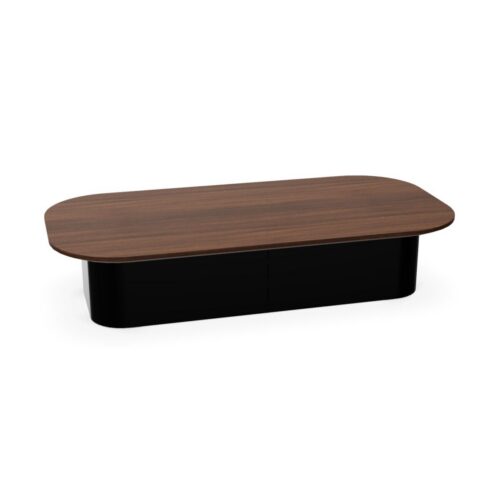
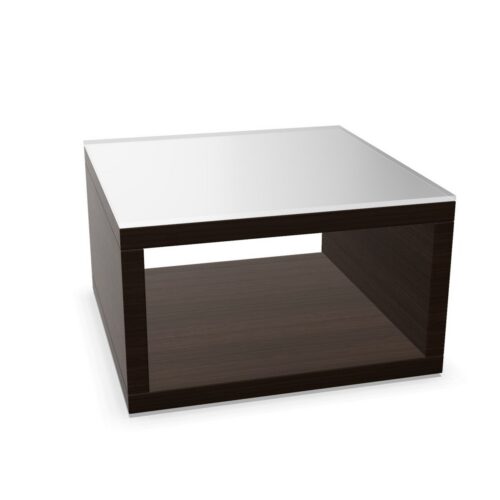
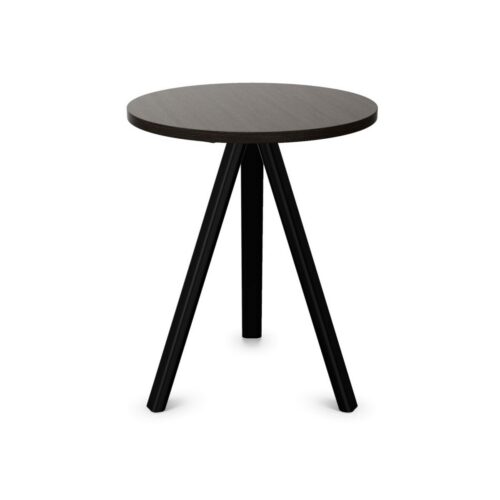
Lounge Furniture With Square Tops and Grey Surfaces

lounge furniture with square tops and grey surfaces brings equal sides and a neutral color term into a lounge planning decision. The square establishes a clear relationship between edges and corners, making orientation especially useful to compare. The gray surface should be reviewed with the actual colors nearby rather than assumed to coordinate automatically. This combination benefits from a careful look at seating alignment and the way people enter the group.

When considering lounge furniture with square tops and grey surfaces, test an edge aligned position before exploring a diagonal arrangement. Each orientation places the corners differently in relation to the seats and walking routes. Keep the surrounding furniture unchanged during that comparison. Once the position is clear, assess how the gray surface relates to the floor and seating so that geometry and color contribute to the same considered lounge composition.

18 models
From €27.49 p/m
6 models
From €28.06 p/m
€6.38 p/m
2 models
From €16.83 p/m
2 models
From €7.59 p/m
3 models
From €9.37 p/m
€3.94 p/m
2 models
From €124.26 p/m
7 models
From €17.65 p/m
7 models
From €5.17 p/m
3 models
From €11.85 p/m
3 models
From €3.34 p/m

Orienting lounge furniture with square tops and grey surfaces

A square top offers equal sides, but rotating it changes its relationship with the room. Begin by aligning an edge with the main seating line. Review how the remaining edges and corners sit within the group before considering a rotated position. This establishes a clear baseline for comparing the arrangement.

Then examine the same top diagonally if that orientation is relevant to the seating plan. Look at the corners facing the seats and those facing open floor. Compare the complete perimeter rather than judging the rotation only as a visual gesture. Any preferred position should have a clear relationship with the surrounding furniture.

Give each seating position a role

For lounge furniture with square tops and grey surfaces, identify which seats are expected to share the table. Chairs facing individual edges create a different composition from a sofa paired with adjacent chairs. Assess each position separately and note whether it faces the middle of an edge or a corner.

Use those observations to refine the table location. A symmetrical outline does not require a symmetrical seating arrangement, but an uneven group needs deliberate planning. Keep the intended users in view when comparing central and offset positions, and avoid using the room's center as the only reference point.

Coordinate the surface with a structured layout

The square outline may establish a clear geometric order, while the gray surface determines part of the tonal relationship. Decide if you want the table to blend with surrounding gray elements or appear distinct against other colors. Compare that intention with the actual visual balance of the seating group.

Where several seating areas share a room, review the gray surface in each setting rather than assuming the same effect everywhere. Different neighboring colors can change its apparent relationship with the composition. Use a common visual principle while allowing each area to respond to its immediate surroundings and approach direction.

Check the corners against movement

Review lounge furniture with square tops and grey surfaces with the main walking routes marked on the plan. Corner positions deserve attention where people enter the group or turn toward seats. Compare the aligned and rotated arrangements against those same routes before choosing which orientation is more appropriate.

Finish by reviewing the arrangement from the main entrance and from within the lounge. Confirm that the table's orientation looks deliberate and that the gray surface has the intended emphasis. A short record of the seating relationship, corner placement, and color decision gives colleagues a practical basis for agreement.

FAQ

Should a square top be aligned or diagonal?

Compare both only where they are relevant to the room. An aligned position offers a useful starting point, while a diagonal position changes where the corners face. Review each against the seats and approach routes rather than choosing by appearance alone.

Does square geometry require matching seating on every side?

No. The seating can be uneven, provided the table position is assessed accordingly. Identify the seats intended to share the surface and review their individual relationship with its edges and corners before settling the arrangement.

What makes a useful final comparison?

Assess lounge furniture with square tops and grey surfaces with the same seating plan and surrounding colors. Compare orientation first, then position, then the gray surface within the complete composition. Keeping those decisions distinct makes the reasons for the preferred arrangement clearer.

Explore related selections