



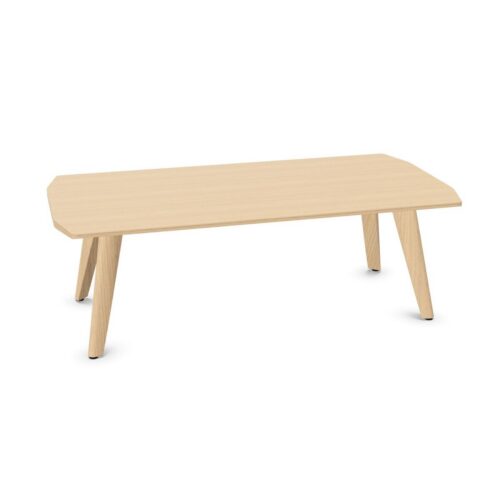




Assessing lounge furniture with trigoon tops and grey surfaces
Define the arrangement problem before comparing shapes. A seating group may have a dominant sofa, chairs in different positions, or several approaches from the surrounding room. Identify which relationship needs attention. This gives the trigoon outline a practical context and prevents its distinctive name from becoming the main reason for selection.
Place the actual perimeter within the room plan and keep the seats fixed. Review where each part of the outline falls in relation to the seating and open floor. Avoid assuming a particular number of edges, corners, or curves from the designation alone; the individual outline should guide the assessment.
Compare orientations before moving the seats
With lounge furniture with trigoon tops and grey surfaces, rotation is a useful comparison exercise when the actual outline allows meaningfully different relationships. Test alternative orientations in the same position. Note which parts face the seats, which approach nearby furniture, and which sit beside the entrance to the group.
Only after that comparison should the wider arrangement be reconsidered. Moving the seats and rotating the table simultaneously can make the result difficult to assess. Separate the adjustments so that colleagues can see whether the preferred version follows from the top's orientation or from a change to the seating itself.
