

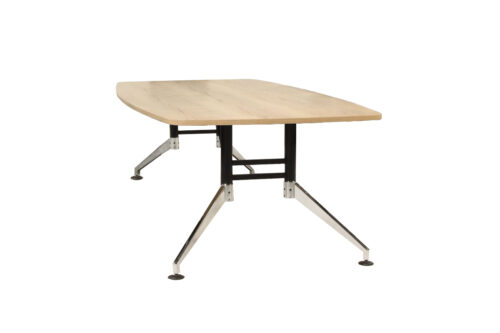
Cognac Walnut Conference Room Surfaces

Conference tables with cognac walnut surfaces introduce a warm brown color choice to the meeting room. Cognac walnut is the selected surface color; it does not establish walnut construction, a particular grain or a surface treatment. Consider how the tone relates to existing doors, storage and seating before deciding whether the table should closely coordinate with them or provide a distinct visual reference.

Warm finishes can appear related without being identical, so compare their actual colors together. Pay attention to the way the cognac walnut tone looks under daylight and the lighting used for discussions. Its relationship with wall colors and neighboring furnishings matters as much as the color viewed alone. Build the physical arrangement around access, conversation and presentation sightlines, then use the surface tone to connect those practical choices with the room’s overall appearance and its adjoining work areas.

€16.17 p/m

Placing Conference Tables With Cognac Walnut Surfaces

Consider which parts of the room will be seen alongside the table most often. A doorway view may include storage and flooring, while a seated view may be dominated by chairs and the wall behind another participant. Compare the cognac walnut tone within both scenes. Conference tables with cognac walnut surfaces can become a clear visual reference, but that effect depends on the colors around them. Decide whether the table should continue an existing warm palette or introduce a separate element. This makes placement and color coordination part of the same room review without allowing appearance to override practical access needs.

Distinguish Related Warm Finishes

Brown, wood-colored and cognac-toned furnishings may seem easy to combine, yet similar descriptions do not guarantee compatible appearances. Compare the proposed surface with nearby finishes and look for differences in their underlying color. A deliberate contrast can create a clearer relationship than a near match. If several warm tones remain in the room, decide which should be repeated and which can stand alone. For conference tables with cognac walnut surfaces, avoid assuming the color must match a walnut-named furnishing. The useful reference is the actual appearance of each element, considered together in the environment where meetings will take place.

Review the Palette Under Meeting Lighting

Observe the cognac walnut color under the lighting used for conversation, document review and presentations. The tone may relate differently to walls and seating as lighting conditions change. Include daylight where it forms part of the room's normal use. This does not establish any particular behavior of the surface finish: sheen, texture and reflections remain separate considerations. Focus on whether the warm color maintains the intended relationship with its surroundings. Review the room from the seats participants will occupy, including the view toward a presenter. These perspectives are more useful than judging the color only from an isolated sample or doorway.

Connect the Table With Adjacent Work Areas

A meeting room often sits beside offices, shared workspaces or circulation areas with their own established colors. Consider whether the cognac walnut tone should echo those surroundings or mark a change in setting. Use that decision to coordinate visible storage, seating and wall colors inside the room. Conference tables with cognac walnut surfaces still need a layout based on movement and meeting activities, including the route between seats and presentation areas. Keep frequently handled materials and temporary equipment in places that suit those activities. The resulting arrangement should make sense during a working meeting as well as when viewed from outside.

Frequently Asked Questions

Does cognac walnut confirm a walnut material?

No. The selected property is the cognac walnut surface color. It does not establish the material, grain or construction. Keep those questions separate from the color comparison if they are relevant to the wider requirements for the meeting room.

How should nearby brown finishes be compared?

View them together under the room's normal lighting and decide whether their relationship should be close or contrasting. Conference tables with cognac walnut surfaces do not need to match every brown element, but the combination should be intentional.

Can this color be used beside cooler wall colors?

Consider the actual colors together rather than relying only on warm and cool labels. Review their relationship from seated positions and the entrance, then use seating or other existing elements to establish the visual connection you want across the room.

Explore related selections