

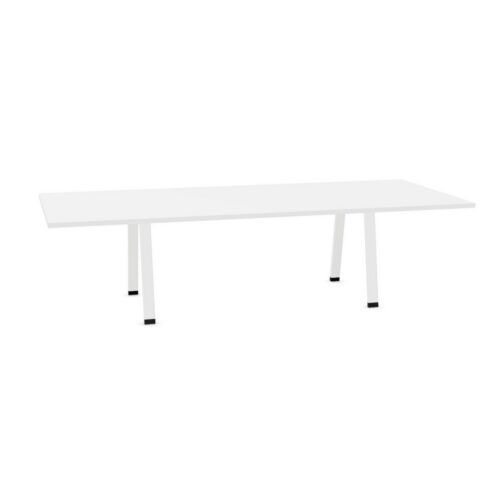
Beige Rectangular Conference Room Tables

Conference tables with rectangular tops and beige surfaces combine a regular meeting outline with a restrained color choice. Beige can provide a point of connection between warm room colors, while the rectangular top establishes opposing sides for discussion and clear ends for seating decisions. This combination is useful to consider when a meeting room already contains several visual elements and the table needs a defined place within that setting.

Beige rectangular conference tables should be compared with the room’s actual walls, floor and chairs. Beige covers different visual tones, so the surrounding colors matter more than a color name alone. Plan the table’s orientation around movement and meeting activity before refining the palette. Pay particular attention to corners near entrances and to the way occupied chairs affect access. A considered arrangement lets the understated surface color and the clear tabletop outline contribute together to a practical meeting area.

11 models
From €21.26 p/m
9 models
From €22.04 p/m
3 models
From €20.05 p/m
2 models
From €28.04 p/m
€31.41 p/m
€11.34 p/m
2 models
From €19.95 p/m
2 models
From €10.48 p/m

Coordinate Conference Tables With Rectangular Tops and Beige Surfaces

Begin with the room's permanent colors. A beige tabletop may sit alongside cream walls, brown flooring or other warm elements, but those relationships need to be assessed together. Compare the surface with nearby furniture rather than considering each item in isolation. The rectangular outline creates a visible central form, even when its color is understated. Decide if you want that form to stand apart from the floor or sit within a closely related palette. Either approach needs enough visual distinction for the table and surrounding chairs to read clearly.

Use Chair Contrast to Define Meeting Positions

With beige rectangular conference tables, chair color can have a strong influence on the overall composition. Chairs that differ visibly from the tabletop make the seating arrangement more apparent. Closely related colors create another effect, so compare the full group before deciding. This is an appearance decision rather than evidence about comfort or construction. Also review how chairs are arranged along the opposing sides and at the ends. The visual rhythm should follow the meeting's practical needs, including access to each position and the direction participants usually face during discussion.

Keep the Entrance Approach Uncomplicated

A rectangular top can look naturally aligned with a room while placing a corner directly in the entrance route. Follow the path a visitor takes from the doorway to an available chair. Repeat the exercise with the other chairs occupied and with people accessing storage. Beige rectangular meeting tables still require this practical check even when the color blends quietly into the surroundings. Where possible, keep the approach easy to understand on arrival. Participants should be able to recognize the meeting area and reach their places without navigating an awkward sequence of corners.

Plan for Papers, Screens and Changing Agendas

Different meeting activities create different demands around the same rectangular surface. Document discussion may focus attention across opposing sides, while a presentation turns attention toward a shared wall. Consider which activity dominates and which needs occasional accommodation. A rectangular conference table in beige provides a consistent visual base, but color does not determine screen visibility or equipment arrangements. Review those separately. Keep shared papers organized so that participants can follow the discussion, and consider where unused materials will go when the agenda shifts from reading to presenting or speaking.

Practical Questions About Beige Meeting Surfaces

Will beige match existing cream walls?

The color names alone cannot establish a match. Compare the tabletop appearance with the walls under the lighting used for meetings. Look for a relationship that feels deliberate, whether that is a close tonal connection or a clearly visible difference between the surfaces.

Can beige define a meeting area in an open room?

It can contribute to the area's visual identity when coordinated with chairs and surrounding furniture. The rectangular footprint also establishes an organized gathering point. Review walking routes around the area so the meeting arrangement remains distinct without interrupting movement through the wider workplace.

What should be checked before choosing chair colors?

Look at the table, floor and walls together, then assess how clearly the chairs draw attention. Consider the view from the entrance as well as from seated positions. Choose the color relationship after confirming that the proposed chair arrangement works for everyday meetings.

Assess conference tables with rectangular tops and beige surfaces alongside circulation and the meeting's main viewing direction.

For conference tables with rectangular tops and beige surfaces, map the intended seats before deciding how the table will sit within the room.

Explore related selections