







Planning Conference Tables With Rectangular Tops and Grey Surfaces
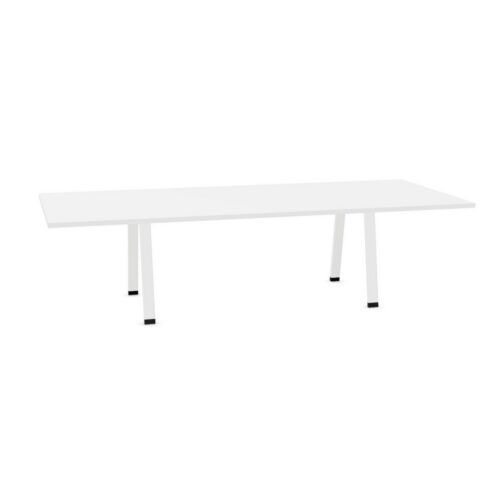
Start with the direction people face during the meetings held most often. A rectangular top creates a clear distinction between positions along opposing sides and those at the ends. For discussion, consider whether an end position would unintentionally suggest a chairperson. For presentations, consider how people seated along the sides turn toward the display. The gray surface can provide visual continuity with the room, but it does not resolve an awkward orientation. Sketch the entrance, occupied chairs and presentation wall together before deciding where the table belongs.
Coordinate Gray Without Matching Every Surface
Gray rectangular conference tables can work within a restrained palette, although a room composed entirely of similar grays may lack clear visual boundaries. Compare the tabletop against the floor, chairs and adjacent storage. A difference in tone can help distinguish the meeting area without adding another strong color. If several gray elements already exist, check them together under the room's actual lighting. Avoid assuming that the word gray guarantees a close match. Decide which existing element should guide the palette, then assess the tabletop in relation to that reference.
Give Corners and Chair Routes Equal Attention
The corners of a rectangular top deserve attention where people enter or pass through the room. An arrangement that looks orderly with chairs tucked away can become inconvenient once a meeting starts. Follow the route from the door to each seating position, including positions beyond the table ends. Consider access to storage and presentation equipment as part of the same exercise. Rectangular meeting tables with gray surfaces should sit within a usable circulation plan, with clear approaches that do not depend on participants repeatedly moving their chairs for colleagues to pass.
