

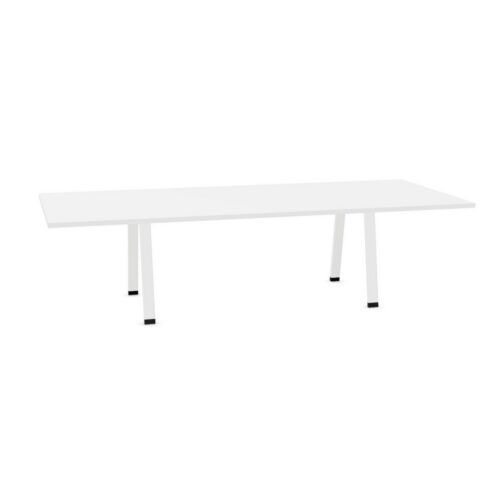
Orange Bases in Coordinated Meeting Rooms

Conference tables with orange bases give the lower part of the meeting arrangement a defined color reference. Orange may connect with existing upholstery or other room details, or it may introduce a separate accent beneath the tabletop. Assess that role against the floor and neighboring furniture. The chosen property identifies base color, leaving the actual shade, construction and any additional table characteristics to be considered independently.

Pay particular attention where orange sits near brown, red or yellow elements already present in the room. These colors do not need to match, but their relationships should be intentional. Review the complete view from the entrance and the positions normally occupied during meetings. Chairs can conceal parts of the base or create overlapping color layers, so the useful comparison includes the everyday seating arrangement and the routes people take through it.

3 models
From €20.05 p/m
2 models
From €28.04 p/m
€9.29 p/m
€9.94 p/m
2 models
From €9.51 p/m
€31.41 p/m
2 models
From €19.95 p/m
2 models
From €10.48 p/m
4 models
From €7.81 p/m
2 models
From €8.94 p/m
4 models
From €9.16 p/m
2 models
From €2.13 p/m
€119.06 p/m
9 models
From €14.80 p/m

Coordinating Conference Tables With Orange Bases

Start by deciding whether orange will be a repeated workplace reference or an accent specific to the meeting area. If it repeats an existing color, identify the element it should connect with and compare their actual appearances. If it stands separately, review the surrounding colors to establish how much emphasis it receives. The base does not need an exact counterpart elsewhere in the room. A deliberate relationship with the chairs and floor may be enough. Consider the occupied room as well as the empty arrangement, because people and their belongings change the visible balance between these elements.

Comparing Nearby Warm Colors

Orange can appear beside several other warm colors in a workplace, including brown flooring, red upholstery or yellow wall details. Compare each relevant relationship without assuming that a shared color family makes the combination automatically coherent. Decide which elements should connect and which should remain distinct. A close but uneven resemblance may be more noticeable where furniture sits directly together than where pieces are separated across the room. Review the full composition from the principal approach. You may prefer fewer repeated references, or clearer differences between the base, chair upholstery and surrounding furniture, depending on what is already present.

Considering the View Through Chairs

The visibility of conference tables with orange bases depends partly on the furniture placed around them. Chair backs, upholstery and frames may interrupt the orange or place another color immediately in front of it. Assess that layered view with chairs pulled back for normal use. If you want the orange to remain visible, review the arrangement from the entrance without compromising convenient seating positions. If it is intended as a quieter detail, the same review can confirm that role. Keep the approach to the table understandable and avoid using furniture placement solely to display the base color.

Connecting the Room With Its Entrance

An orange base may be seen before someone enters a conference room, particularly where a doorway or internal window opens onto a shared workplace. Include the surrounding corridor and neighboring furniture in that longer view. Decide whether the orange should relate to those areas or mark the meeting setting as distinct. Then check the reverse view from the seats toward the entrance, where outside colors become part of the room's background. The relationship should remain deliberate from both directions. Clear routes and a considered table orientation provide the practical structure around which the color choice can work.

Frequently Asked Questions

Should orange match nearby brown finishes?

An exact match is neither expected nor required. Compare their actual colors together and decide whether the relationship should be close or clearly contrasting. Pay attention where the base sits directly against the floor or neighboring furniture.

Can orange remain a limited accent?

Yes. Conference tables with orange bases can introduce orange only beneath the tabletop. Review how much remains visible around the chairs before deciding whether any repetition elsewhere in the meeting room would add a useful connection.

What should guide the first color comparison?

Start with the floor and the chairs that will surround the table. They form the base's immediate context. After that, assess nearby walls, storage and the entrance view to confirm that the wider palette remains coherent.

Explore related selections