

Gray Square Tops for Shared Meetings

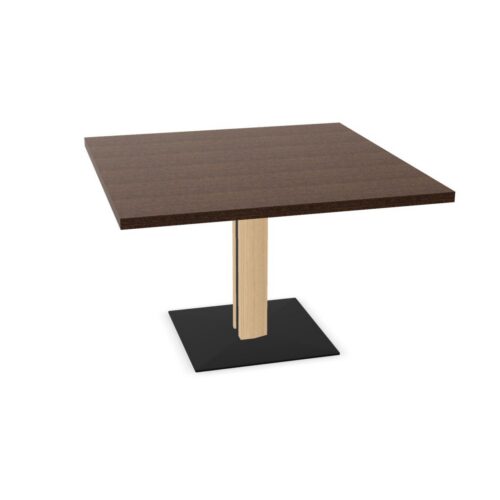
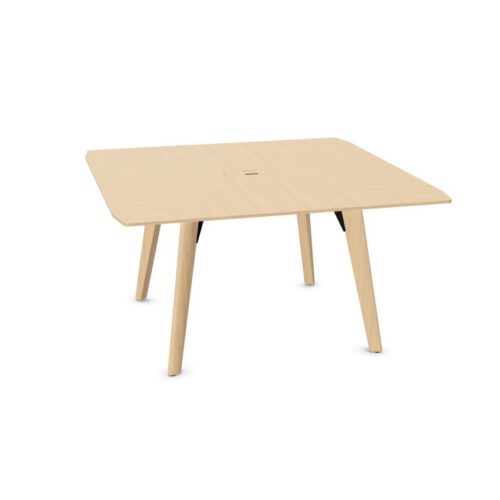
Conference tables with square tops and grey surfaces combine a straight-edged meeting layout with a gray surface color. The square outline gives seating positions a clear relationship to each edge, while its corners need to be accounted for in the surrounding circulation. Gray can be assessed alongside existing upholstery, walls and storage without assuming that every gray element will match. Consider the actual color relationships and the way people move through the room together.

Gray square conference tables are worth evaluating through the different tasks a shared room hosts. A project discussion, document review and screen presentation may each call for a different distribution of chairs. Start with the activities that occur most often, preserve access to room equipment and check the path around occupied seating. Review the surface with familiar papers and devices under normal lighting. The chosen color and shape do not establish construction, support placement or any equipment included with the table.

8 models
From €30.61 p/m
11 models
From €21.26 p/m
18 models
From €27.49 p/m
6 models
From €28.06 p/m
2 models
From €8.94 p/m
2 models
From €30.93 p/m
7 models
From €23.33 p/m
€42.11 p/m
2 models
From €2.13 p/m
2 models
From €4.93 p/m
2 models
From €17.92 p/m
24 models
From €57.27 p/m
11 models
From €15.25 p/m
2 models
From €58.07 p/m
4 models
From €23.04 p/m
5 models
From €16.03 p/m
2 models
From €13.06 p/m
13 models
From €8.10 p/m
6 models
From €5.43 p/m
11 models
From €11.32 p/m

Planning conference tables with square tops and grey surfaces

For a room shared across departments, identify the activities that place the clearest demands on the layout. Presentations require useful views of a display, while document reviews require access to shared papers. A square top provides equivalent edges, but the room gives those edges different practical roles.

Arrange the table around those roles before refining the color palette. An edge near storage may need to remain open, while another may suit regular seating. The gray surface can then be assessed with the surrounding furnishings as part of a complete arrangement rather than as a separate decorative decision.

Coordinate Different Grays Intentionally

Gray walls, chairs and storage can differ visibly from the tabletop even when their color descriptions appear similar. Compare the actual elements together under the room's usual lighting. Decide whether the differences create a deliberate relationship or whether another nearby color would provide a clearer composition.

Gray square meeting tables do not need an entirely gray setting. Chair upholstery or wall colors can introduce contrast while the tabletop remains part of a restrained palette. Judge the result from seated positions, where the surface occupies the immediate working view, and from the entrance, where the whole arrangement is visible.

Keep Equipment Access Clear of Square Corners

Map the route between the entrance, chairs and frequently used equipment. The square corners should be considered wherever that route changes direction. Check access to storage and writing boards with people seated, since an empty-room view can overlook the space taken by pulled-back chairs and personal belongings.

If the table is turned to improve a presentation view, reassess every corner against those routes. Rotating the outline changes where its points sit relative to doors and furniture. Choose the orientation that supports the work and circulation together, rather than treating alignment with the walls as a fixed requirement.

Define Working Places Without Fixing Every Seat

Straight edges can help participants organize their documents and devices near their own positions. Keep the shared work under discussion separate from those individual areas. For recurring meetings, a familiar arrangement can make it easier to settle in, while still allowing seating to change when the task changes.

Gray square conference tables should be assessed with both light and dark working materials. Review their appearance directly without assuming the surface's sheen or texture. Where the meeting includes a display, check the view from each regular position and leave an edge unoccupied if it helps participants see and move more easily.

Frequently Asked Questions

Do all gray elements need to match?

No. Different grays can work together when the relationship looks intentional. Compare the surface, chairs and walls directly under normal lighting, then decide whether similarity or contrast gives the room a clearer visual arrangement.

Can the table be turned away from wall alignment?

Yes. Another orientation may better support a display or an entrance route. Recheck the position of each corner and the movement of occupied chairs, because turning the square changes its relationship to surrounding furniture.

How should a shared room handle changing meeting tasks?

Base the regular chair arrangement on the most frequent activity, then identify useful alternatives for presentations or paper review. Preserve access to storage and shared equipment so that changing the seating does not obstruct everyday movement.

Compare how conference tables with square tops and grey surfaces relates to chair positions and shared views in the intended room.

Assess conference tables with square tops and grey surfaces alongside circulation and the meeting's main viewing direction.

Explore related selections